

Carol Christ’s Legacy honored by Laura Shannon, and the Ariadne Institute
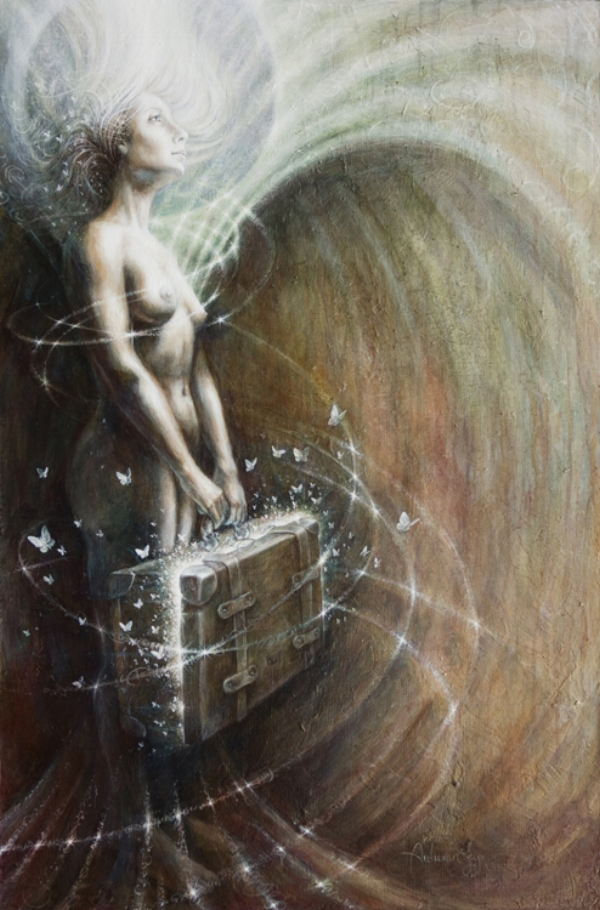
When I teach the Heroine’s Journey in my Sophia Women’s Wisdom Group, I draw on Joseph Campbell’s idea of the mono-myth, an archetypal story that resonates with every human across time: The Hero’s Journey. I combine Campbell’s ideas with pieces of feminist Maureen Murdock’s heroine’s journey to recognize the unique pathway of the feminine. I call this my hybrid heroic journey. If you are not familiar with Maureen Murdock’s work, I invite you to see how she brought her feminist eye to Campbell’s iconic Hero’s Journey in her book The Heroine’s Journey: Woman’s Quest for Wholeness. After her conversation with Joseph Campbell six years prior to his transition, Murdock felt he missed “that the focus of female spiritual development was to heal the internal split between woman and her feminine nature” (p. 2). In my hybrid heroic journey, that split in the early stages is internalized negative masculinity. The rejection of our feminine nature may appear differently in each woman’s life but it is often characterized by treating ourselves how we imagine men perceive us.
My recent Pilgrimage to Crete was astonishing; my epiphany, gradual. As I share my adventure, imagine stages of your own heroine’s journey wherever you are in that cycle. I hope that by sharing this series, you will experience a real life example of Dion Fortune’s definition of magic: ‘The art of changing consciousness at will’. Starhawk, Truth or Dare, 1988.
Continue reading “My Pilgrimage to Crete – September 2023, Part 1 by Terry Folks”
 Feminism and Religion