Blodeuwedd; The Flower that Does Not Bloom and the Transhuman Death Spiral by Kelle Ban Dea

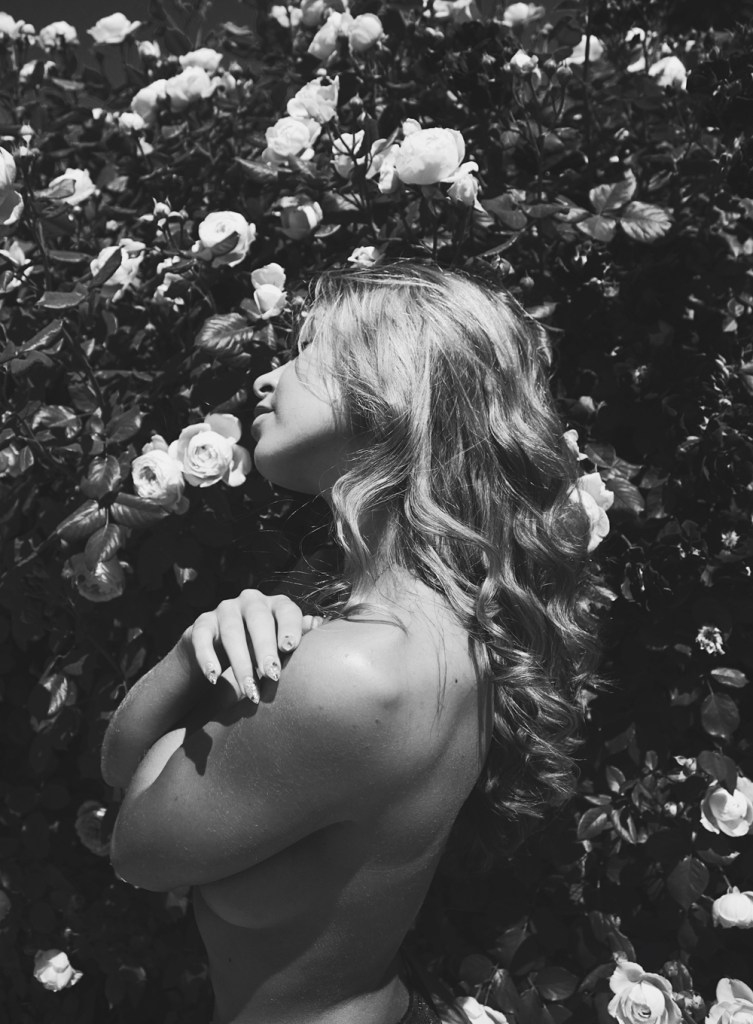
Blodeuwedd is often viewed as a Spring goddess, a personification of flower and bud and bloom. And why not; she is made of flowers after all; flowers and magic. It’s only when you read her original myth in the Fourth Branch of the Mabinogi that you realise how dark it is.

Of all the famous women – now seen as goddesses by many – in these ancient Celtic legends, Blodeuwedd is the only one who is not a mother, and therefore not seen as an aspect of the mother goddess, Modron. Bloduwedd cannot be a mother, because although she is made of flowers, she is a flower that will never bloom, that cannot reproduce.

In both ancient mythology and in the neopatriarchy we live in today, women who either cannot or will not be mothers (despite these being very different things; one a choice, one a lack of choice) are viewed with suspicion. As the opposite of the nurturing, fecund Mother, Bloduwedd instead brings betrayal and death to the hero of the tale. Yet, it was never Blodeuwedd at fault. She is created by the rapist magician Gwydion and given without her consent to be the wife of Lleu, the king, and our shining ‘hero’ of the story. Lleu has been cursed by his own mother to never have a human wife or children, so Bloduwedd is the best that Gwydion can conjure up, and he is celebrated for this marvellous feat of magic.

No-one, of course, bothers to ask Blodeuwedd what she might want.

Continue reading “Blodeuwedd; The Flower that Does Not Bloom and the Transhuman Death Spiral by Kelle Ban Dea”

Priestess or Goddess? The Real Morgan le Fay by Kelle ban Dea

Morgan le Fay is a popular figure for goddess-women and those interested in depictions of female spirituality, as well as a role model for some witches and pagans. Entire modern spiritual traditions such as the Avalonian tradition in Glastonbury have been created around her. She’s been portrayed in various ways in popular media and culture, and for many is more beloved than her mythical contemporaries, Arthur and Merlin. Which is interesting, because she’s a wholly fictional character, first encountered in the medieval Vita Merlini. Or is she?

While Morgan herself is, indeed, a fictional creation, many have seen echoes of ancient Celtic myth in her story. She’s a healer and magic worker, living on an Otherworldly island, sometimes with her eight sisters, guardian of Avalon with its magical apples and mists. In later iterations she’s a darker figure, an enemy of her brother Arthur, a witch and a seductress. A story we’ve all heard before.

Continue reading “Priestess or Goddess? The Real Morgan le Fay by Kelle ban Dea”

Arianrhod; Postnatal Trauma and the Rejecting of Patriarchy by Kelle BanDea

Mothers and sons. The stories that make up the Four Branches of the Mabinogi, a Welsh medieval collection of Celtic legends, are in large part about mothers and sons. Mostly about their separation. Mabon is stolen from Modron. Rhiannon’s son Pryderi is twice captured. Branwen’s baby is murdered. In Arianrhod’s tale, the Fourth Branch, it is she, the mother, who rejects her son.

Continue reading “Arianrhod; Postnatal Trauma and the Rejecting of Patriarchy by Kelle BanDea”

Rhiannon as Midlife Queen Mother by Kelle BanDea

We tend to think of Rhiannon as the fairy maiden on the white horse who entices Pwyll, the King and her future husband, into the Otherworld. Or she is the young mother who is unfairly blamed for the death of her own child until he is restored to her. This is Rhiannon’s story as it is most well-known, and she has become a beloved figure due to it. The image of the beautiful fairy woman on the white horse has become equated, to modern neopagan folks and Goddess-women, with the ancient Celtic and Indo-European horse goddesses. Of all the women in the medieval Welsh lore that we know as the four story ‘branches’ of the Mabinogi, Rhiannon is perhaps the most beloved.

But this is only half of the story.

Continue reading “Rhiannon as Midlife Queen Mother by Kelle BanDea”