

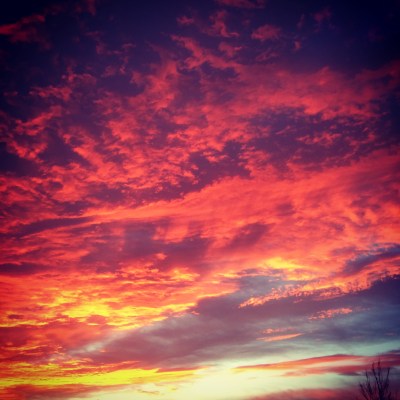
 I have been thinking about deserts lately, what places are desired, which ones are deserted, and by whom. Cabo de Gata of Andalusia is one of the four deserts in Spain. In 2010, it became public knowledge that the Ministry of Development planned to locate a nuclear waste dump there. The last I have heard was that they had ordered a feasibility survey with nuclear scientists, but I can find no other updates. Why would the government and academic institutions penetrate a protected region, sacred for its ecological richness and beauty? The dump would be created 1,000 meters below the surface where the radiation would be dissolved (so they said) and then carried into the sea. Whether we hide waste inside the earth or shoot it up into space or keep it in someone else’s backyard, when will we pause?
The earth never runs out of messages. But humans as a species have lost touch with this reality. The majority of the human population lives in urban areas where we consume and live processed lives. It is no wonder too few of us make grand changes in our lives concerning excessive consumerism and waste. How can we think of what we do not encounter? Milk is disassociated from its bovine origins for many, and trash is dropped off at the curb for someone else to deal with.
Even many of the items we own were made in factories in lands far off, where people have to deal with the waste to the detriment of their own environments. But who cares? That air will never reach us. The vegetation most city-dwellers (and so most humans) are familiar with is the plants and trees used to ornament lawns and landscaped neighborhood streets (when we are that lucky). This is why the desert, and any rural area, might be our saving grace.
Etymologically, the term “desert” connotes with “abandonment”: it refers to a place that was deserted. Perhaps thankfully so. The harsh conditions of the areas we modernly refer to as deserts have been inhospitable to profit and capitalism. One only needs take a road trip down I-40 in the U.S. to see vast expanses of desert, empty (from only one perspective) land. Even gas stations are few and far between.
Yet here is the paradox: in the isolation of the desert, perhaps we can learn how to become closer to one another, to heal our relationships, all of them. We can only see each other, notice the sky. When we are no longer distracted and disillusioned, looking down at our shoes and swallowed by our navel-gazing minds, nature reflects our own goodness to us, the sacredness that we have forgotten. In the city, we have broken almost all the mirrors and muted all the echoes. Continue reading “Desierto Divino: Messages from the Earth by Elisabeth Schilling”
 Feminism and Religion