

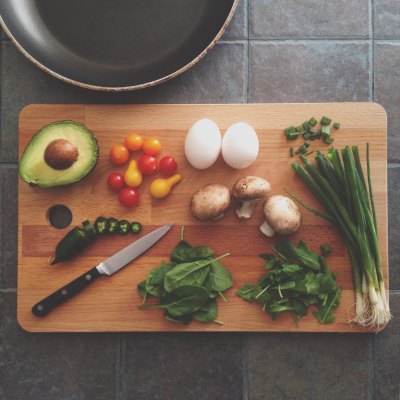
During the holiday season we’re bombarded constantly with contradictory messages about how we ought to take care of our bodies this time of year. Over the early winter months there is a collective expectation and even glorification of indulging in all kinds of ways–eating, drinking, spending money, etc. But if we dare enjoy ourselves a bit, we’re then on the receiving end of the diet and fitness culture propaganda that capitalizes on our time of indulging by telling us we need to clean up our eating and get (back) to the gym–assuring us that 2018 will be the year when we finally achieve our “dream bodies.”
Oftentimes the coded language of “wellness,“ “clean eating,” and even “health” is rooted in the same problematic framework that toxic diet and fitness culture espouses: your best self is your thinnest self. Strict binary language used to describe food–processed foods high in fat or sugar are “bad” while fruits, vegetables, and whole grains are “good”–attributes moral weight to what we eat. Beneath this is the myth that our health outcomes and the way that our bodies look are completely within our control. If we simply commit to “healthy” habits, we can become “good” (thin). Continue reading “The Trouble with “Wellness” by Katey Zeh”
 Feminism and Religion