

 On May 8, Fifty Shades of Grey became available in DVD format. Marking its release, this post reflects on the mass consumer consumption of this provocative film and the abuse inherent in its script previously discussed here by Michele Stopera Freyhauf. Grossing $500 million dollars at the box office, Fifty Shades will most certainly sell as an unedited DVD. While some self-proclaimed feminists like Emilie Spiegel commend the story, feminists and conservatives slam it, often pressing viewers to reject the film and deny it financial support. Nonetheless, The Fifty Shade of Grey franchise will most probably have a sequel in 2016, continuing to amass hundreds of millions of dollars.
Concerns about the book and film include how the storyline presents a romantic ideal for women wrapped surreptitiously in abuse. Peering deeper at the narrative reveals the potential for conflicted emotional responses including feelings of guilt and shame, revulsion and interest, disgust and seduction. Confronted with the writing of this post, I responded in turn, torn between whether to watch the film or not. While wanting to deny the franchise any monetary gain, I also wanted to both know what I was rejecting and what, if any, value existed in viewing. Continue reading “Traumatic Narrative on the Screen: Is there a Grey Area? by Stephanie Arel”
 No matter what you call it abuse is abuse. This is highlighted in the popular book and now movie Fifty Shades of Grey. Because of the stir this book caused, I delved into the first book and my initial reaction was that of repulsion and wonderment. How could a woman let a man control her like that? Why would she let him do things like that to her and continue to come back to him? Why is this book so popular?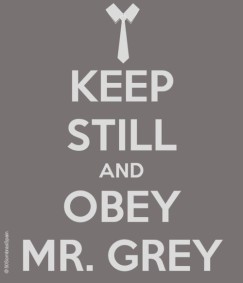
 Feminism and Religion