
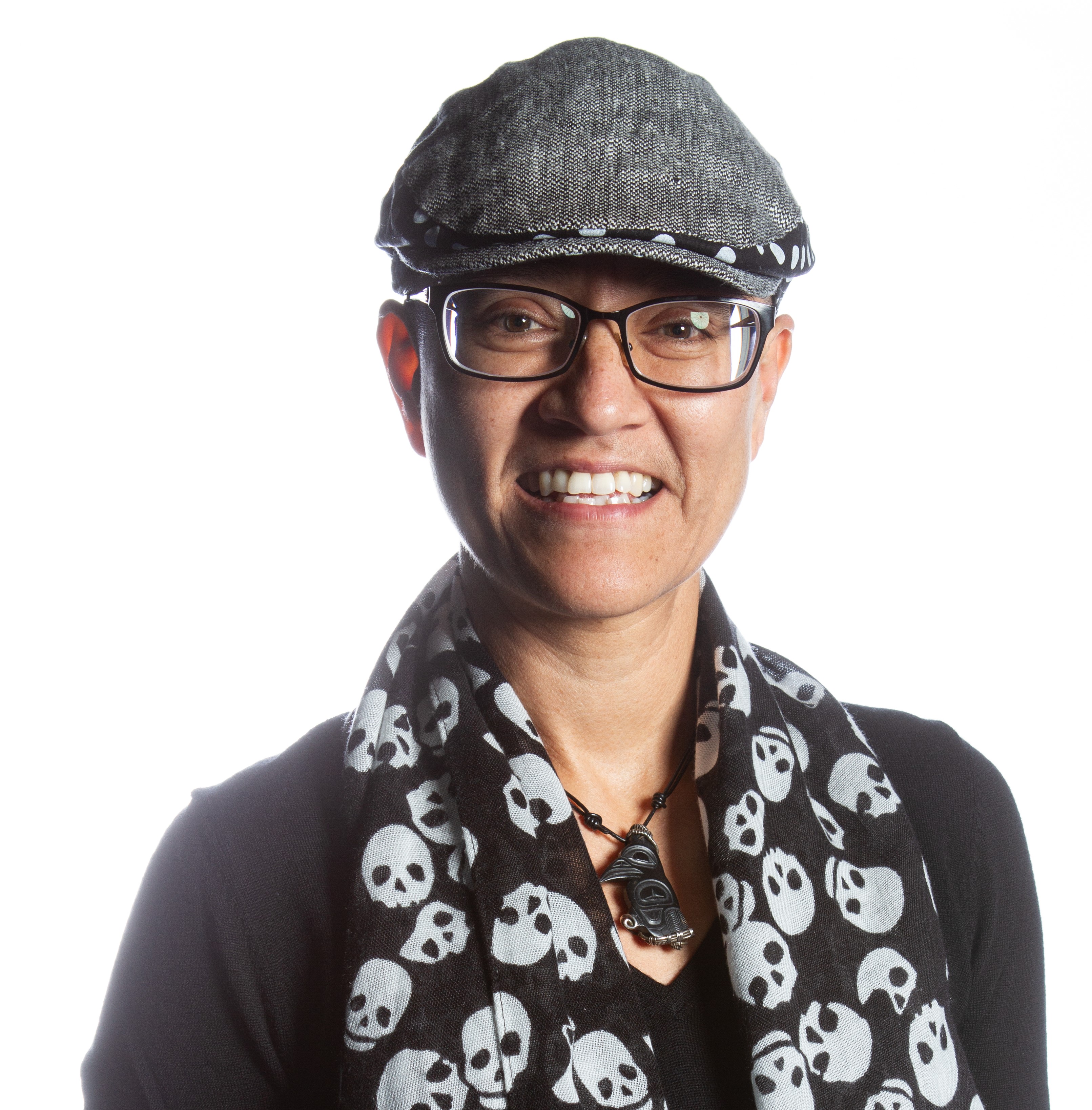
The Courage to be a Self and a Part by Xochitl Alvizo

I just submitted to the editor the final draft of a chapter I’ve been working on for about two years (no joke). Sometimes when I really care about a subject, it can take me a long time to process, reflect, and write on the subject (I shared a bit about this project on FAR early this year)—but this one might have taken the cake in terms of how slow a process it ended up being. Still, it is now submitted and in the hands of the publishing company, Oxford University Press, for the next step in the process.

This project came about because Meg Stapleton Smith, while she was still a doctoral student working on her Ph.D. and searching the Mary Daly Papers at the archives of Smith College, came across a typed manuscript of a never completed work of Mary Daly’s. The unfinished manuscript, with an introduction and four chapters long, was titled “Catholicism: End or Beginning.” Meg, after discovering the manuscript, took on the task of organizing a group of feminist scholars to read the manuscript and write a chapter in response to be published as an edited collection along with the previously unpublished manuscript. The collection should be coming soon, but here I wanted to share a bit more about my chapter and an overview of what I see as its significance.

Continue reading “The Courage to be a Self and a Part by Xochitl Alvizo”
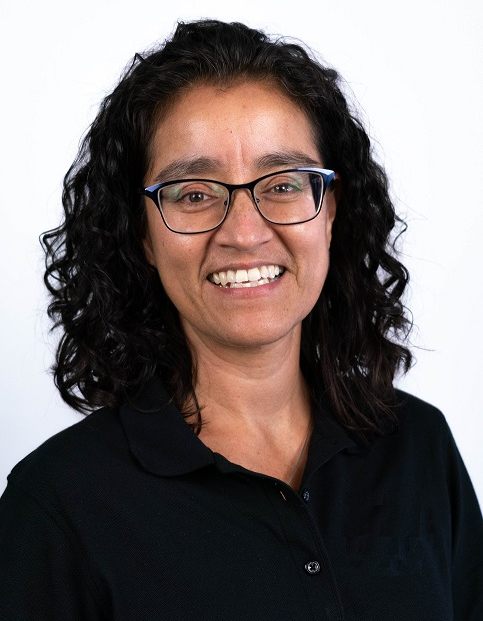
Toward an Alternative Ecclesiology by Xochitl Alvizo 

I mentioned in a recent post that I would share a little more about my current research, as one of the aspects of my life I gained more clarity in during my recent process of regrounding was in the area of my research.

Two things stood out to me as I reflected on my work and scholarship: my concern for individual human dignity drives my work—it is an underlying thread in how I think and theologize. The second is that I want to make a major contribution to the theology of the church—I know I want to write a feminist ecclesiology. These two things are obviously related. I have witnessed enough of the ways that not only Christianity harms people, but how the church specifically is a conduit for the damages Christianity causes. At the same time, Christianity remains a living tradition, a shared story and language, and a community to which many are committed. So just as people are harmed by church, some are also nurtured and held by it. While it is true, then, that church indeed harms people and violates their dignity, often also justifying that violation on theological grounds, it need not do so and has other possibilities before it.

Thus, I want to contribute to a theology of church that is a grounded and liberating alternative to the problematic one to which people most often default or inherit. A queer, feminist, anti-racist, and decolonial ecclesiology.    

Continue reading “Toward an Alternative Ecclesiology by Xochitl Alvizo “