Hopscotch Spells by Annelinde Metzner

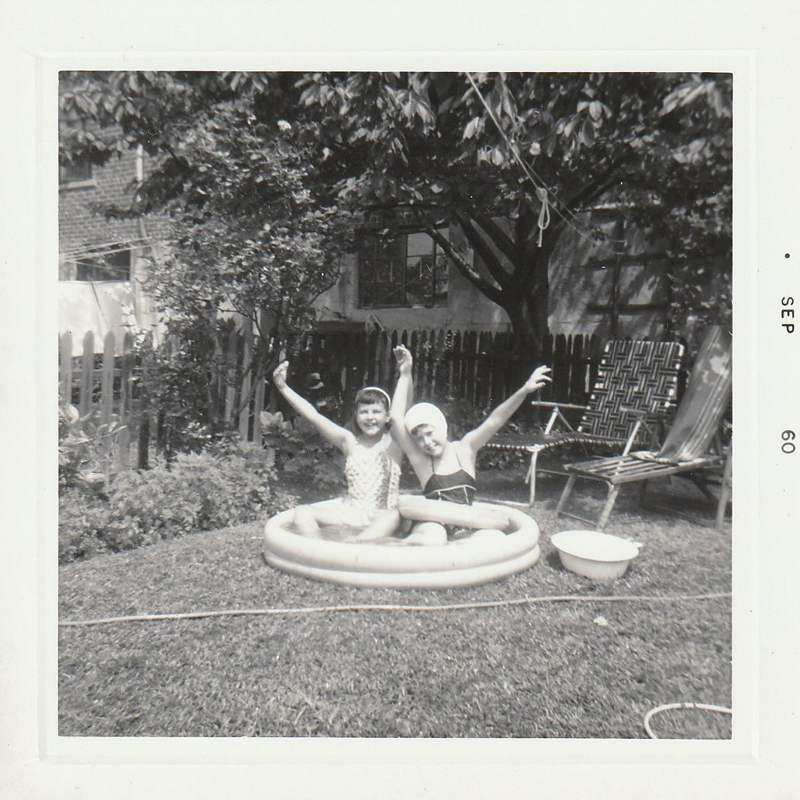
Two girls swimming

  In my work with the folklore and music of children’s games and circles, I’m enchanted by how many bits of magic are interwoven into everyday children’s games from many, many years ago. Our childhood closely intersects with the deep, witchy, magic world of spells, talking animals and whispering spirits.

POEM: “Hopscotch Spells”

One, two, three, O’lary,
four, five, six, O’lary….

I’m pulled like a slingshot’s band
   back to those childhood, everyday spells.

Ally, ally, in-come-free!

Each day, we’d open the screen door
   and hurry to our witches’ college,
   pursuing a degree in the Child’s School of Magic.

One potato, two potato, three potato, four!

What drew us to each other this way?
The circle of street kids, our pals,
   our fists beating out the rhythms,
   our jumps and our skips conjuring powers.

Continue reading “Hopscotch Spells by Annelinde Metzner”

The Crafting the Wisdom Loom By Mary F. Gelfand


Over 20 years ago, I randomly came across the following passage from Sonnet X by Edna St. Vincent Millay:

Upon this gifted age, in its dark hour,
Rains from the sky a meteoric shower
Of facts . . . they lie unquestioned, uncombined.
Wisdom enough to leech us of our ill
Is daily spun; but there exists no loom
To weave it into fabric

I was just learning to spin and weave and so was struck by this passage. I’ve been contemplating Millay’s words ever since.

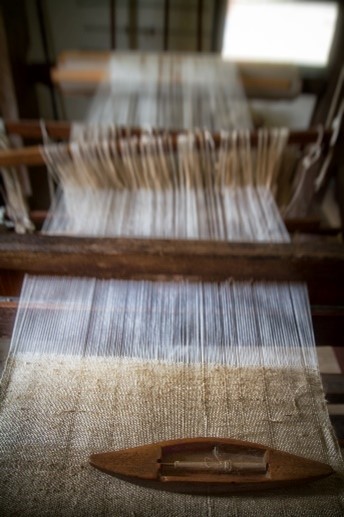
image of Loom
Photo by Nickolas Nikolic

Weaving is a fascinating process that the ancients in many cultures believed was a gift from the Goddess. Before the Industrial Revolution, clothing was valuable because of the sheer amount of both labor and skill necessary to create it—tasks that were primarily delegated to women.  The process of collecting, cleaning, and preparing plant or animal fiber to be spun into thread or yarn is a lot of work.  And all you have now is spun fiber.  It still needs to be dyed and used to warp the loom—a tedious and time-consuming process.  Next the weaving itself—dancing the shuttle in and out across the width of the warp—over one, under one, over two, under two—or some more visually appealing pattern which is also more complex to do. Finally, the woven fabric must be measured, cut, and sewn to make a garment.

Continue reading “The Crafting the Wisdom Loom By Mary F. Gelfand”