

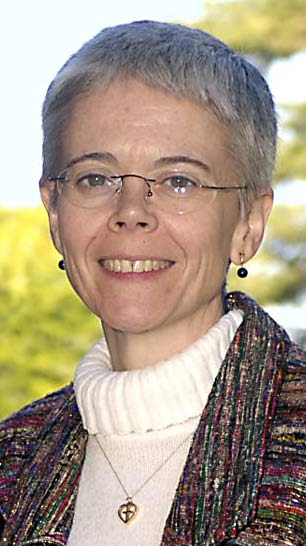
 Rosemary Radford Ruether is one of the most brilliant theologians of our time and her newly released autobiography, My Quest for Hope and Meaning, is a gift to those of us who have been so touched by her work. In this intimate and beautiful piece, Ruether shares her personal journey in feminist scholarship and activism. The autobiography opens with a profound forward by Renny Golden (that is also shared here on Feminism and Religion) and continues with an introduction and six chapters where Ruether guides us through an exploration of the influence of the matriarchs in her life, her interactions with Catholicism, her continued exploration of interfaith relations, her family’s struggle with mental illness, and her commitment to ecofeminist responses to the ecological crisis.
Ruether states that “Humans are hope and meaning creators” (xii), and her autobiography details her own quests for hope and meaning. She reflects on the incredible impact made by the female-centered patterns in family and community in her life. According to Ruether, these “matricentric enclaves” grounded and shaped her interest in feminist theory and women’s history. She also describes the spiritually and intellectually serious Catholicism that she received from her mother and articulates her continued frustration with Vatican leadership that has undermined the efforts of Vatican II. For Ruether, her ongoing affiliation with feminist theological circles is crucial as she continues to work toward shaping an ecumenical and interfaith Catholicism.
Continue reading “Rosemary Radford Ruether’s Quests for Hope and Meaning by Gina Messina-Dysert”

 Feminism and Religion