

“We have learned that trauma is not just an event
that took place sometime in the past;
it is also the imprint left by that experience
on mind, brain, and body.
This imprint has ongoing consequences
for how the human organism
manages to survive in the present.”
— Bessel A. van der Kolk, The Body Keeps the Score: Brain, Mind, and Body in the Healing of Trauma
While I’m not a trauma therapist, I work in a field in which I regularly support people who have experienced trauma. Sometimes I’m accompanying a recent survivor of assault at the emergency room for a rape kit, speaking warmly, offering compassion, providing distraction. Other times, I’m holding space over the phone while a fifty-something year old survivor tearfully discloses, for the first time in her life, the things done to her during childhood. Recent or old, those experiences shape us and our responses to them, even those that might not serve our health, are efforts to protect ourselves, to avoid pain, and to seek an elusive sense of safety.
“Trauma isn’t what happened to us.
Trauma is what happened inside us as a result of what happened to us.”
— Gabor Mate, in his presentation “Addressing the Long-Term Effects of Childhood Trauma”
during the Healing Trauma Summit
Our attempts to resolve trauma, to escape it, may be labeled dysfunctional and may not, ultimately, serve our highest good. They are, however, the actions of someone who wants to feel secure, who wants to feel loved.
My desire to understand trauma and trauma recovery serves my professional development as well as my personal journey, and learning more about the how trauma relates to the body has proven helpful in both of these areas of my life. I’m not a mental health clinician — I’m a crisis advocate and consent educator. But the process, as I understand it, is something like this: Continue reading “Bake the Damn Cake: Owning Up to and Mitigating Our Traditions’ Trauma Histories by Chris Ash”
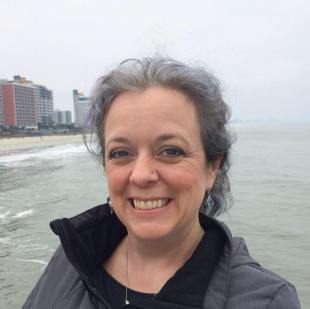
 Four years ago, as I went to touch up my roots with a shade of red I’d been dying my hair since I was 18, I noticed that what had started as a few random strands of gray amidst my natural reddish brown had become streaks of brilliant silver. I began dying my hair red as a style choice, long before I’d ever even thought of going gray. I loved the way my natural hair reddened in the summers, with copper highlights flashing under the beach sunsets. There was never an intention to hide gray or look younger, but there was a time in my thirties when the first few strands of gray seemed to make my darker roots look muddy, like they were dirty instead of graying.
 Feminism and Religion