
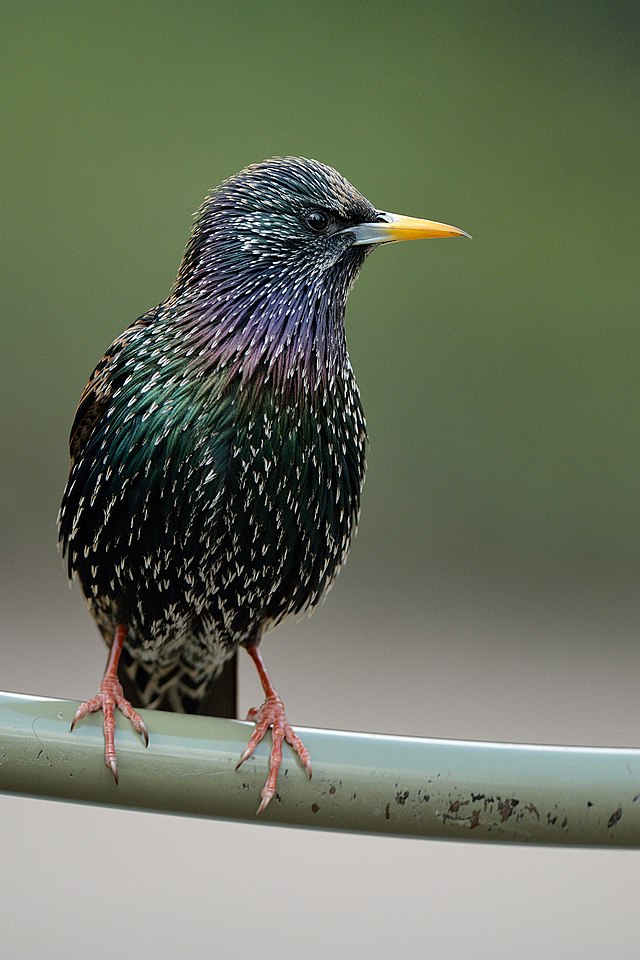
Black Bird Ballet by Sara Wright

Wikimedia Commons

In September I was patient. My beloved birds were having a good year seeking food in natural places like my field I reminded myself over and over as they remained absent from my feeders until I fell and was hospitalized for weeks.

After November’s first snow storm the grouse arrived and I had high hopes that she would stay. I occasionally flushed her in thickets but did not see grouse’s plump brown body feasting on the remainder of the berries from the crabapple or see her hieroglyphs in the snow.

The turkeys remained absent. When I walked through my young pine forest where chickadees chirp even on windy days, the musical whirring wings of mourning doves tore into the grief I felt and didn’t want to own. Sometimes I called out “I love you” to those birds who chose to converse with me because I know they know.

 In late November when the snow piled up bowing trees to the ground it also brought in the first winter cold; this time the brook almost froze solid. A few birds did visit the feeder for a day or so: titmice, chickadees, one female cardinal, a few juncos, goldfinches, but the absence of abundance was overwhelming. Two days later nothing.

Continue reading “Black Bird Ballet by Sara Wright”
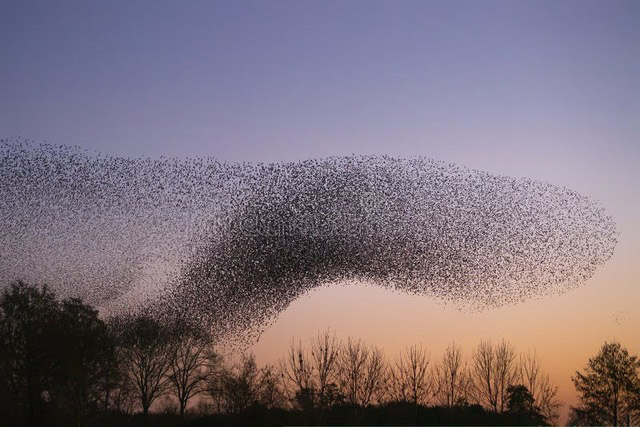
The Natural History of Starlings by Sara Wright

Last week Sara wrote about her and her family’s personal connection to starling. You can read it here. 

Wikimedia Commons

Amazingly, all the European starlings in this country descended from 100 birds that were deliberately set loose in New York’s Central Park in the 1890’s by colonists who wanted to see the birds they missed after immigrating to the US. Soon there were more than two million birds that ranged from Alaska to Mexico. All are closely related.  Sometimes if a female misses the first nesting she will try to lay an egg in other bird’s nests. They are wonderful mimics learning the calls of up to 20 species of birds like the pewee, killdeer, wood thrush, red tailed hawk and robin to mention a few.

Starlings turn from spotted and white to glossy and dark each year without shedding their feathers. The new feathers that grow in have white tips. These are the spots that disappear by spring as the feathers turn dark and glossy. These birds are incredibly strong fliers as is evidenced by the extraordinary starling murmurations that still occur throughout the fall and winter all over Europe.

Continue reading “The Natural History of Starlings by Sara Wright”

The Sky Dancers by Sara Wright

December is a poignant month for many people, including me. Although I find the darkness comforting, winter stillness a gift, I do not celebrate the season as others do.

I begin December by bringing in the dawn each morning (if it’s clear) by standing outdoors in the cold watching Sirius, the dog star fade…Some mornings the sky turns rose, tangerine, or gold as clouds slide over the horizon or billow up like cottony balls of fluff. The air is fresh, fragrant, and clean. I listen for the first birds, the female cardinal’s chirp, the chickadees, and doves have yet to appear – these daily ‘morning mysteries’ are spontaneous and acted out in gratitude without thought.

 This month is a time of remembrance …  I think of people I loved, some I did not, those I lost…  

Continue reading “The Sky Dancers by Sara Wright”