

As I paddled the lake this morning, I found myself thinking this is what the end of the world looks like. The sun was rising red through smoke from Canadian wildfires and a smoky haze engulfed the lake to the point I could barely see the not-too-distant opposite shore. I was paddling by the state forest, where the March ice storm had stripped the tall pines of their upper branches, bent the birches, and uprooted and sent out to sea the largest of the trees. The camping spot at the spring was inaccessible so covered was it by downed trees and branches. All was bent, broken, and dying and the forest itself appeared to be weeping. Adding to the surreal aspect of this moment was the plethora of motorboats pulling skiers and jet skis bouncing along on what would otherwise be a quiet, calm lake – oblivious to or simply not caring that they were frivolously burning the very fossil fuels that had fueled this environmental crisis and catastrophe. It was as if I were watching an Octavia Butler dystopia play out with the rich and privileged burning up the last of the fossil fuels with disregard for the earth and disdain for earth’s advocates.
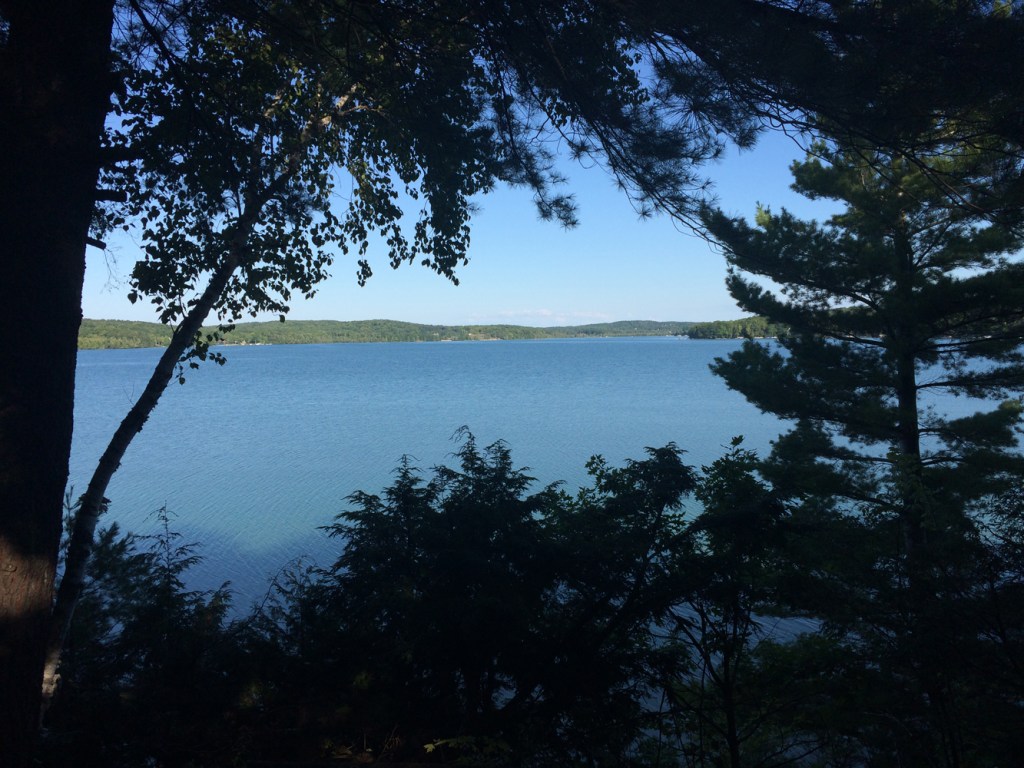
I began going to this lake in northern Michigan when I was two. Every year my mother would comment on how blue the sky was, how clear the air – such a contrast to northeast Ohio where we lived with its rubber factories, making the sky a hazy gray, even on the sunniest of days. We would marvel at the depth of the blue. This visit I never once saw a blue sky, nor even across the lake. I have hundreds of photos of the beautiful vista from the hill upon which our cabin sits, simply because of the stunning blues, but this year I took not a one.
Continue reading “Fire and Ice by Beth Bartlett”
 Feminism and Religion