Legacy of Carol P. Christ: In The News – Global Climate Change

This post was originally posted on Nov. 7th, 2012

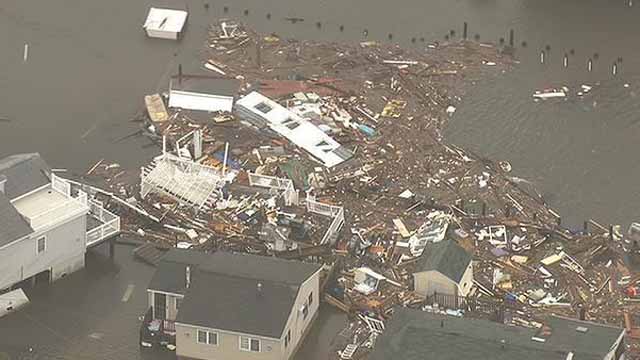
Climate change is in the news again due to the devasting storm known as Hurricane Sandy.  Scientists, activists, journalists, and politicians are telling us that Sandy is not just another “unpredictable event” brought to us by “Mother Nature.”  Will we listen this time?

Hurricane Sandy is a human-made and entirely predictable and sure to be repeated environmental consequence of the use of fossil fuels, especially oil and coal. Burning fossil fuels puts carbon dioxide into the atmosphere. This raises the global temperature in the air, land, and sea. Melting of polar ice caps is a result of the rise in global temperatures. This will cause a 3 foot or more rise in the seas, leading to the permanent flooding of the seacoasts and sea coast constructions, including homes, restaurants and shops, office buildings, and harbors and ports.
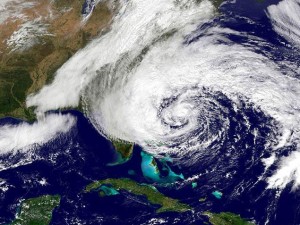
The warming of the seas is also producing extreme weather conditions, including high winds and hurricanes, along with colder winters and hotter summers.  Extreme weather conditions will lead to regular storm-related flooding of rivers and sea coasts, erosion of hills and mountains in winter, followed by catastrophic fires in summer.  Prolonged droughts and unseasonal rains will devastate farms and food production. Wildlife habitats will be destroyed. Places where people live will become too hot, too cold, too wet, and generally unfriendly to life.
Continue reading “Legacy of Carol P. Christ: In The News – Global Climate Change”

From the Archives: Child of the Earth by Elizabeth Cunningham

Moderator’s note: This marvelous FAR site has been running for 10 years and has had more than 3,600 posts in that time. There are so many treasures that have been posted in this decade that they tend to get lost in the archives. We have created this column so that we can all revisit some of these gems. Today’s blogpost was originally posted October 18, 2020. You can visit the original post here to see the comments.

I have a vivid childhood memory of being sick with the stomach flu and standing in the doorway of my parents’ bedroom looking for my mother. Her care for sick children was tender and thorough. She would bring us ginger ale and toast with jelly. When she had time, she read us stories. I can remember her steering me, heavy with fever, back to a bed that she had magically smoothed and cooled. But that day my mother lay in her own bed in an old nightgown, not stirring. She had the flu, too, and could not get up to care for the rest of us. It was a shocking and sobering moment.

As I grew older, I transferred my need for comfort, reliability, and continuity from my mother to the earth, the sure turning of the seasons, beloved trees, waters, and rocks.  As a young mother, I looked forward to sharing my own childhood joys with my children, among them jumping into autumn leaf piles. The first time my children leaped into a leaf pile, they came up covered with the ticks that have now made my region the epicenter of Lyme and other tick-borne diseases. Nor was I able to share with my children the joy of drinking water straight from a stream.

Continue reading “From the Archives: Child of the Earth by Elizabeth Cunningham”

Child of the Earth by Elizabeth Cunningham

I have a vivid childhood memory of being sick with the stomach flu and standing in the doorway of my parents’ bedroom looking for my mother. Her care for sick children was tender and thorough. She would bring us ginger ale and toast with jelly. When she had time, she read us stories. I can remember her steering me, heavy with fever, back to a bed that she had magically smoothed and cooled. But that day my mother lay in her own bed in an old nightgown, not stirring. She had the flu, too, and could not get up to care for the rest of us. It was a shocking and sobering moment.

As I grew older, I transferred my need for comfort, reliability, and continuity from my mother to the earth, the sure turning of the seasons, beloved trees, waters, and rocks.  As a young mother, I looked forward to sharing my own childhood joys with my children, among them jumping into autumn leaf piles. The first time my children leaped into a leaf pile, they came up covered with the ticks that have now made my region the epicenter of Lyme and other tick-borne diseases. Nor was I able to share with my children the joy of drinking water straight from a stream. Continue reading “Child of the Earth by Elizabeth Cunningham”

Eco-Theology and the Dave Matthews Band by Gina Messina-Dysert

Gina Messina-Dysert profileFeminist theologian Sallie McFague argues that we must give the earth the attention it is due and recognize its subjectivity rather than having an arrogant viewpoint that assumes we have the right to control the planet.  She states that by refusing to accept our place on earth we are sinning.  I think it is fair to say that the Dave Matthews Band has a perspective that is similar to McFague’s.  Song after song offers lyrics that acknowledge the earth as our holy Mother and demands that we recognize our place in the ecosystem and our personal responsibility for its continuation.  For instance, “One Sweet World” calls us to be cognizant of the fact that without the wonders of nature we would be unable to sustain ourselves.  We have taken the earth for granted and yet our very survival is dependent on the wellbeing of our planet.  In this song, DMB ponders the question “if the green should slip to gray, would our hearts still bloody beat?”

Continue reading “Eco-Theology and the Dave Matthews Band by Gina Messina-Dysert”

IN THE NEWS: Global Climate Change by Carol P. Christ

Climate change is in the news again due to the devasting storm known as Hurricane Sandy.  Scientists, activists, journalists, and politicians are telling us that Sandy is not just another “unpredictable event” brought to us by “Mother Nature.”  Will we listen this time?

Hurricane Sandy is a human-made and entirely predictable and sure to be repeated environmental consequence of the use of fossil fuels, especially oil and coal. Burning fossil fuels puts carbon dioxide into the atmosphere. This raises the global temperature in the air, land, and sea. Melting of polar ice caps is a result of the rise in global temperatures. This will cause a 3 foot or more rise in the seas, leading to the permanent flooding of the seacoasts and sea coast constructions, including homes, restaurants and shops, office buildings, and harbors and ports.

The warming of the seas is also producing extreme weather conditions, including high winds and hurricanes, along with colder winters and hotter summers.  Extreme weather conditions will lead to regular storm-related flooding of rivers and sea coasts, erosion of hills and mountains in winter, followed by catastrophic fires in summer.  Prolonged droughts and unseasonal rains will devastate farms and food production. Wildlife habitats will be destroyed. Places where people live will become too hot, too cold, too wet, and generally unfriendly to life.

Continue reading “IN THE NEWS: Global Climate Change by Carol P. Christ”