

When I travelled to Crete on a Goddess Pilgrimage last year, we were asked to introduce ourselves by our matrilineal lines. I am Arianne, daughter of Bernadette, granddaughter of Helen and a long line of women, known and unknown, stretching back to Africa. Many of the women in the group were able to intone long lists of names in their matrilineal lines. I was not able to go further than my Grandmother, Helen. No one in my mother’s large Polish family could remember my Great Grandmother’s name.
My journey toward Ariadne has been as circuitous as the labyrinth itself. In many ways, I have been searching for her since those first bedtime stories my father used to tell me as a child, when Theseus was the main character and Ariadne, merely a stop on his road. I longed for her, even then, to have her own heroine’s journey. I tried to imagine what that might look like but, without models, could not conjure anything beyond holding the red thread so others could triumph. Later, I began a more conscious search for Ariadne as I became curious about the connections between her choices, feelings, expressions and my own longings, betrayals, and outbursts. Since then, there have been moments when I let myself fantasize about being connected to her in some real way, beyond being named after her, or feeling and acting as she may have. In these fleeting moments when I imagine we are bonded, I am awash in an intense sense of belonging, something I never felt as an only child of divorced parents. But then in a flash, my mind takes a sharp turn, as in a labyrinth, and I negate those feelings with logic. You want to be connected to Her, so you are finding ways to make it true.
Continue reading “Ariadne and Me – The .5% by Arianne MacBean”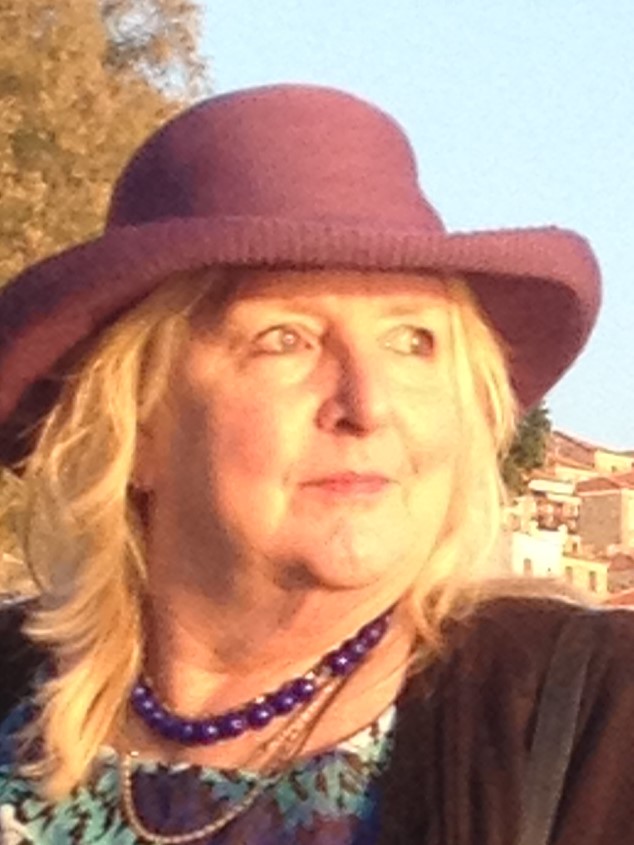 Our first ritual on the Goddess Pilgrimage to Crete is a death ritual in which we honor the memory of those who have gone before us. Like so many things on the pilgrimage, the death ritual evolved. I did not consciously plan to begin with death. Rather, the death ritual inserted itself at the beginning of the tour. Now I understand that the timing is right.
 Feminism and Religion