
Navigating Arousal and Desire: What do you fantasise about?

Sexuality is a complex topic that blends the personal with the collective and the mundane with the sacred. We often engage with it privately, yet it is intertwined with broader cultural values and beliefs. This makes navigating sexual fantasies a delicate balance of desire, respect and consent.

In today’s world, especially with movements like #MeToo gaining traction, there’s a heightened awareness around the importance of boundaries—both physical and psychological—in the realm of sex and fantasy.

This post explores how we can engage with sexual energy in ways that respects both our own and other’s integrity, that don’t “steal” from others, nor diminish ourselves.

It starts with the power of consent in fantasies, discusses 4 steps to navigate desire without acting on it, and introduces the possibility of archetypal fantasies.
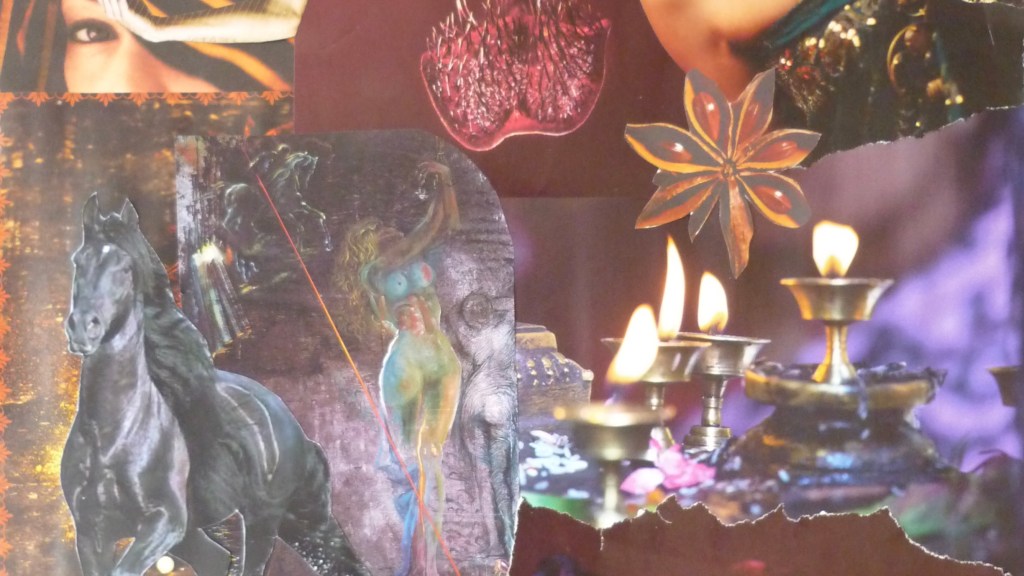
Detail of Passion. Collage by Eline Kieft (2.9.12)
Continue reading “Navigating Arousal and Desire: What do you fantasise about?”

Rape Culture and Abstinence Only Education by Gina Messina-Dysert

Gina Messina-Dysert profileRape culture, as has been noted on Feminism and Religion in multiple articles (see Carol Christ’s post this week), permeates every aspect of our society, every aspect of our lives.  Something that I believe warrants serious attention is Elizabeth Smart’s recent comment about abstinence only education.  In her talk at John Hopkins University about her own harrowing ordeal, she well demonstrates the many ways rape culture plays itself out in our society and also shares why we must continue to explore options beyond abstinence only education.

As you may recall, Elizabeth Smart’s name became well known across the US when she was abducted at the age of 14 and then found alive 9 months later.  During her captivity Smart was forced into a polygamous marriage and repeatedly raped (rape culture).  When she was found walking down the street with her captors, many wondered why she hadn’t tried to escape or ask for help (rape culture).  According to Smart, the question she is asked most often is “Why didn’t you run? Why didn’t you scream?” (rape culture).  Smart responded to that question during her talk and her answer included abstinence only education (rape culture). Continue reading “Rape Culture and Abstinence Only Education by Gina Messina-Dysert”