
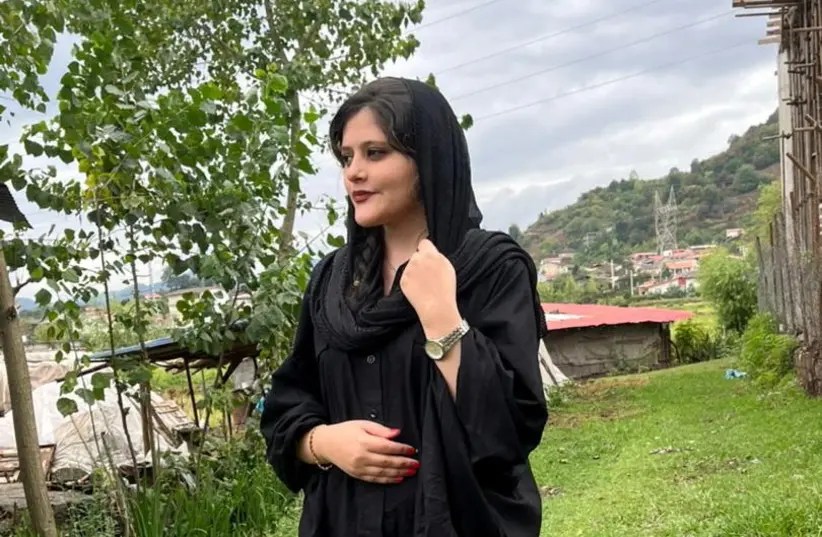
For Mahsa by Lori Stewart

On Friday, September 16, 2022 Mahsa Amini died in a Tehran hospital having been arrested by Iranian morality police on September 13 for wearing “inappropriate attire”. She was 22. Mahsa’s family claims she had bruises to her head and limbs from being beaten. The Iranian police dispute that claim saying Mahsa died from a pre-existing health condition.

Mahsa’s death sparked major protests against the Islamic Republic in Iran and protests of support are occurring around the world. Women are burning their hijabs, which they are mandated by Iranian law to wear, chanting, “Women, life, freedom”. They are cutting their hair which is a longstanding symbol of protest and loss in Iran’s history. This action harkens back to the epic Persian poem “Shahnameh” by Ferdowsi in which hair is a theme and the cutting of hair a symbol of mourning. Around the world, people have followed suit by cutting their hair in solidarity with the protesters in Iran. A recent chant by the protesters is “it’s the beginning of the end” as they challenge their theocratic government.

Continue reading “For Mahsa by Lori Stewart”

Taking Back the Caliphate: The Role of Muslim Women as Agents of Social Justice by Vanessa Rivera de la Fuente

Vanessa Rivera de la Fuente. Muslim Women as Caliphs.Whenever we talk of Muslim women, two dominant discourses reach our ears. The first is about women of the past who may serve as role models, such as Aisha, Fatima, and Khadija (ra). This perspective, which I call the historical approach, presents an ideal woman with qualities we should strive to develop, values that make life possible with more comfort and a deepening of our imam (faith). These values include wisdom, loyalty, courage, justice, perseverance, faith, independence, and generosity.

The second discourse is based on stereotypes and presents Muslim women as passive and without initiative. I call this the objectification approach, which says that Muslim women are oppressed and sees us as objects without voice or power, subject to the tyranny of the hijab (headscarf), and in need of someone to save us from the bondage of religion and from men, who, incidentally, are all terrorists. Continue reading “Taking Back the Caliphate: The Role of Muslim Women as Agents of Social Justice by Vanessa Rivera de la Fuente”