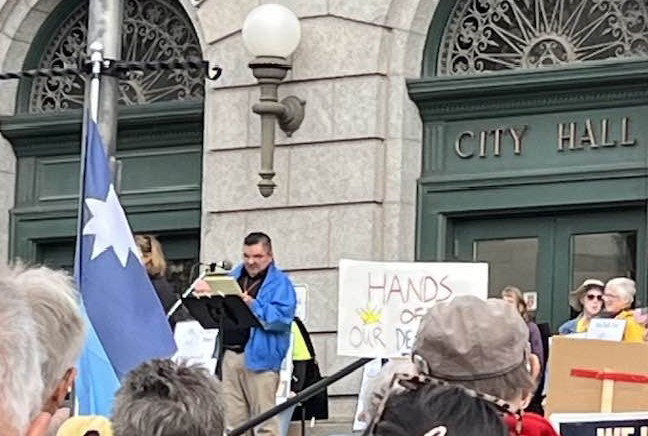
At the No Kings rally on October 18th, Anishinaabe elder Ricky DeFoe affirmed to the gathered crowd that “the natural response to oppression, ignorance, evil, and mystification is wide-awake resistance.” Such resistance, he claimed, calls for an “ethic of risk.” I was immediately struck by his use of the term, paralleling feminist theologian Susan Welch’s A Feminist Ethic of Risk.[i]Returning home, I picked up my copy and found many of the same points DeFoe had articulated.[ii] Both asserted that an ethic of risk recognizes that “to stop resisting, even when success is unimaginable, is to die,” and by this they meant not only the threat of physical death, but also “the death of the imagination, the death of the ability to care.”[iii]
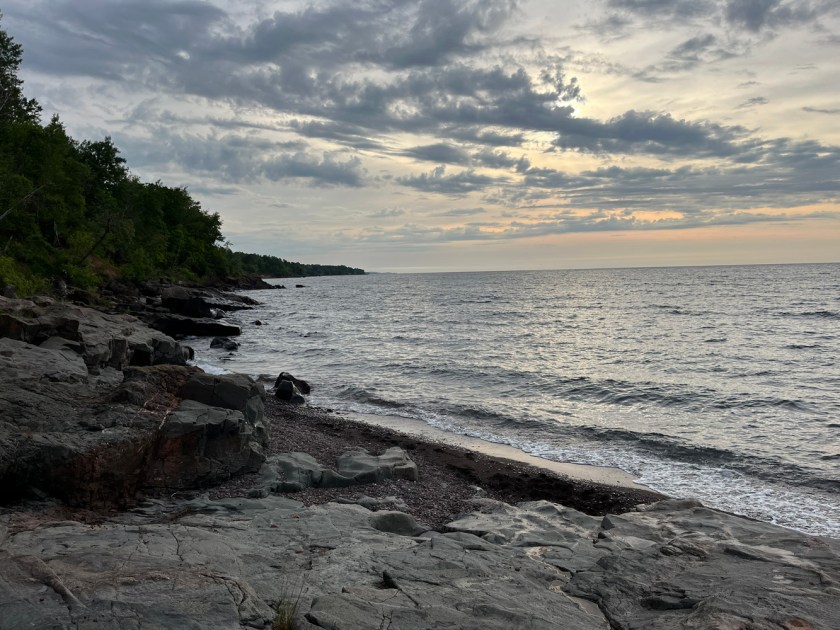
I went to the lake this morning, seeking the peace, sustenance, and perspective it so often provides. I had been particularly distressed and distraught the day before after watching the documentary on Christian Nationalism, “Bad Faith.” It was chilling to say the least. Among other things, the film demonstrates the longevity of Christian Nationalism in this country, dating back at least to the Ku Klux Klan, founded in 1865. However, the central theme of the documentary is the staggering influence of conservative political operative Paul Weyrich, who orchestrated the merger of conservative Evangelical Christians with the Republican Party in the 1980s. He founded the Moral Majority with Jerry Falwell, the Heritage Foundation which authored Project 2025, the American Legislative Exchange Council, and the Council for National Policy – all of which seek to undermine democracy in order to bring about what these organizations and their followers call a “Christian nation,” by force if necessary. But as former Republican strategist Steve Schmidt states in the film, there is nothing “Christian” about this movement. It is pure nationalism, a striving for power requiring the dismantling of the institutions of democratic government as we know them. These extremist Republican strategists found a powerful base of voters by tapping into Evangelical Christians and manipulating the messages they received to fill them with fear, and found just the puppet they needed in the charismatic and amoral figure of Donald Trump. As we’ve seen in recent years, they have been quite successful in the destruction of government. After filling the Supreme Court with their chosen nominees during Trump’s first term, getting Christian Nationalist Mike Johnson installed as Speaker of the House, and getting Trump elected a second time despite the January 6th insurrection, or perhaps because of it, they are now successfully dismantling or otherwise destroying the Departments of Education, Health and Human Services, Energy, Defense, Agriculture, Justice and more along with the Environmental Protection Agency, the Food and Drug Administration, the Social Security Administration, the Federal Regulatory Agency. . . the list goes on. It’s all part of the plan to fulfill the “Seven Mountain Mandate” of dominionism[i], which seeks to impose its beliefs in seven spheres of influence: religion, family, education, government, media, arts and entertainment, and business. As one of the Christian Nationalists interviewed in the film proudly said, “It’s the Christian Taliban.”
I moved to the mountains to move mountains, to find peace in the hidden crevices of an endangered planet. We pull out her hair, clumps at a time, self-harming her* in a myriad of new ways. Wildfires burn up our forests, floods destroy precious lowlands. Loggers strip the possibility of new life from the soil. Our childhood stories become our adult lives: The Giving Tree who gave it all. . . . The land doesn’t break; just dips and hides in private caves. I moved to the mountains so that the predators of my past wouldn’t find me. Their spirits crawl out from unvisited graves.
They slip past the disappearing forests of canopied evergreens that once shaded and protected Ki’s children. [Ki is short for Kin – more on what this word means in Part 3.]
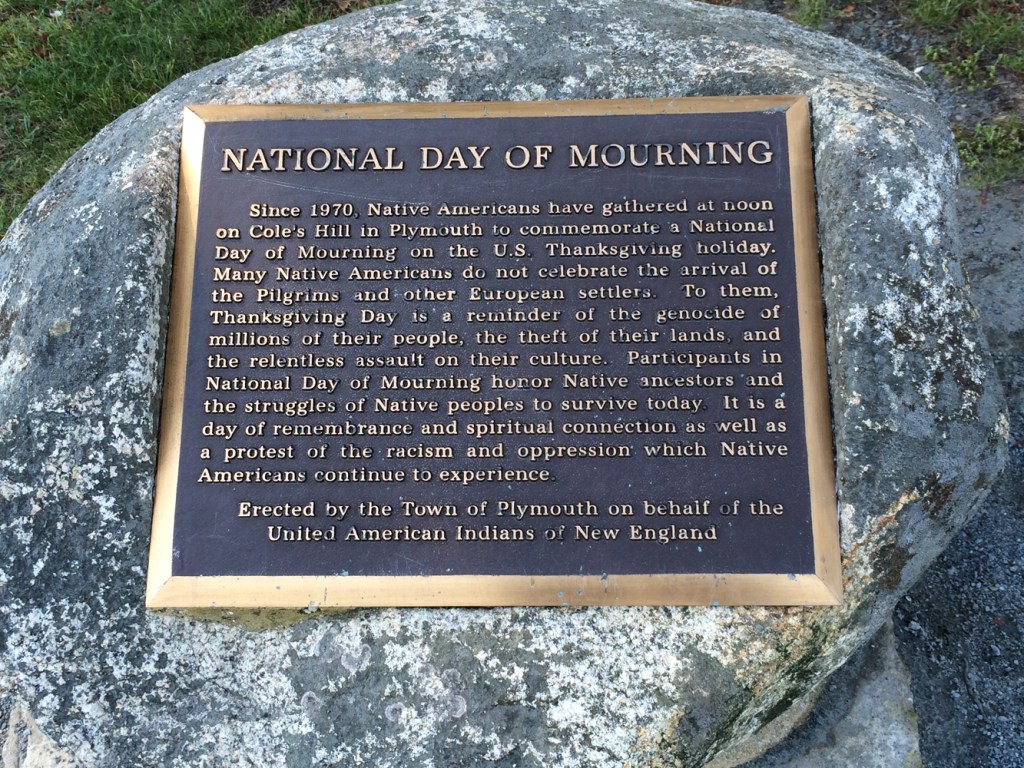
Thanksgiving is a complicated holiday. As a child, it was simple – a happy day of family and feasting. I would awake at dawn to help my mother stuff the turkey that would roast all day in the oven, and while she prepared all the rest of the meal, the younger of my brothers and I would head downtown with my nextdoor neighbor to delight in the Christmas displays in the department store windows. Our home would be filled – my older siblings returned from college and their adult lives, with a roommate, or girlfriend, and in later years, spouses and children. We would stuff ourselves with turkey, stuffing, and cranberry jelly, mashed potatoes and gravy, black cherry Jello, squash with mini marshmallows, and as my mother would always say, “corn for the Indians.” That would be the only mention of Native Americans on this day celebrating what has become a romanticized version of a harvest feast, shared by a few of the Waumpanoag people and the English settlers who owed their survival to their generosity.
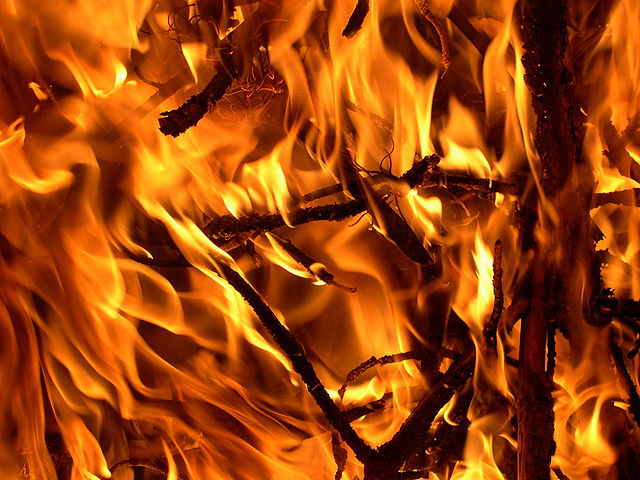
The nature and meaning of fire have been appearing in several disparate aspects of my life lately – in the fire of Celtic spring rituals; in books I’ve been reading[i]; in the fireflies of summer nights and the fireworks of the 4th of July; even as a clue in a game; and most ubiquitous of all – the smoke from Canadian wildfires. So persistent a theme begs pondering. It first appeared in a Rewilding course as the sacred element of spring in the Celtic wheel of the year. Spring is the time of new beginnings, of the sunrise – the element of fire in the sacred direction of east, of the fires of passion and creativity, and the celebration of Beltane.


 Feminism and Religion