

This was originally posted on December 17, 2012
Actually it comes twice, once in midsummer, the longest day of the year, and once in midwinter, the longest night. Winter Solstice is also known as the first day of winter.
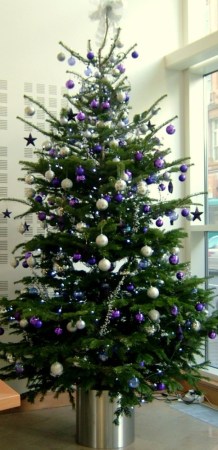
For those of us attuned to the cycles of Mother Earth, Winter Solstice is a time to celebrate the dark and the transformations that come in the dark. Many of the customs associated with Christmas and Hannukah, including candles, Yule logs, and trees decorated with lights were originally associated with Winter Solstice. The extra pounds put on during winter feasting were insulation against the cold winter nights.
Those who fear that many of the customs of the Christmas season might be pagan are right. As we learn again to honor our place within the cycles of birth, death, and regeneration, we can return these customs to their roots in the circle of life.
Continue reading “Legacy of Carol P. Christ: Solstice Comes But Once A Year, Now It’s Here!” The days are slowly winding down toward Winter Solstice in the northern hemisphere, the longest night of the year. Today the sun rose at 7:20 and will set at 5:08 in Crete. In Sweden, the sun will rise at 9:25 and set at 2:12. Though I light candles in the darkness of morning and have lights on my tree, I am not celebrating the “return of the light,” but rather welcoming the restful dark.
 Actually it comes twice, once in midsummer, the longest day of the year, and once in midwinter, the longest night. Winter Solstice is also known as the first day of winter.
 Feminism and Religion