A Modern Pilgrimage to the Isle of Lewis & Harris, Part 1
For a long time, I felt a soft but insistent tug to go to the Isle of Lewis & Harris, on the west coast of Scotland. Third time lucky, because the trip got cancelled twice due to Covid-19. Even this time was a challenge, with flights being pulled, and airport strikes causing last minute changes. It was as if the Goddess was asking me, “how serious are you about this, daughter?”
Eventually I managed to get to Edinburgh on time, all the way by train from our small sleepy village in France, to catch the connecting flight to the island.
In this post (Part 1), I write about meeting the Triple Goddess in the Land. Part 2: The Stones, focuses on my Equinox ceremony in the Callanish Stone Circle.
There have been a few intriguing posts recently on creating new narratives (by Carolyn Lee Boyd, whose ‘dollops of mud’ inspired the title of this post), and reinterpreting existing ones that are deeply embedded in the fabric of our cultures (such as Moses and Rambo by Janet Rudolph). I distinguish re-creating personal and collective narratives as two aspects of this fascinating task.
The first aspect addresses our capacity to rewrite our personal narrative. What story do we tell about our lives? One of my teachers, Ya’Acov Darling Khan, says ‘we humans are story tellers by nature, so we better tell a good one!’ This doesn’t mean ‘making up’ a story, embellishing the facts, or putting sugar over shit, but exploring our own hero/ine’s journey, overcoming obstacles with courage, seeking help from allies, daring to go into the darkness and emerging with new insights, and most of all, what I call the skill to ‘harvest the wisdom gifts’ of life’s experiences. I look forward to writing more about this another time.
Nature and dance are my gateways to the mystery, where I can bring my worries, exhaustion, prayers, celebrations and gratitude. These gateways open to places deep within and far beyond my perception and imagination. They create an impromptu sacred space that emerges, flexes, stretches, and nurtures, and always ‘meets’ me regardless of my emotional state.
In this post I reflect on the possibilities of danced spirituality in relation to the overarching theme of Feminism and Religion. How does dance relate to our sense of personal expression, freedom and take on life as gender-aware people, and our experience of spiritual intimacy?
Dance is a versatile practice to move through life in an empowered way and to strengthen our connection with the numinous. I truly believe that everyone can dance, and one of my roles as a ceremonial dance facilitator is to help people re-connect with the dancer inside them.
Calling Home at the Sealskin Soulskin Workshop 2018. Image Credit Justyna Skowronek
Most cultures recognize an animating ‘life force energy’, such as chi, qi, ki, kundalini, n/um, ruach, prana and mana. Life force is very closely related to ‘soul’, and often indicates vitality, original nature, instinct, intuition or inner compass. Another term is ‘spirit’, and I must say, it confused me for a long time how they are related, and how they are different. In this article I explain how I understand the nuances between these terms.
Shamanic paradigms consider ‘spirit’ as the animating life force both in our bodies and in the animist world around us. In Traditional Chinese Medicine, this concept is called ‘Qi’, or life force energy. This can be affected by ongoing stress or other health concerns that sap our vitality, but while we live it’s always there.
‘Soul’, in shamanic views, refers to an original essence that makes us who we are. This metaphysical part of us is in direct relationship with the sublime. The soul “continues beyond death and into eternity and into infinity. We could literally say that our soul has a body, much more than saying that our body has a soul” (Villoldo, 2018). This soul essence can be damaged: parts of it can ‘leave’ following traumatic events.
The process of fitting in and learning what is required to participate in society teaches us many useful skills such as math and language. All too often, this happens at the expense of developing expressive and intuitive abilities and trust in our unique contributions and points of view, or what I call the ‘Wild Soul’. This represents our original blueprint or essential spark that makes us into who we are.
Drawing on the well-known metaphor of the acorn that already carries the majestic fullness of the oak tree inside it, I distinguish three characteristics in the process of acorn becoming oak:
For almost 35 years nature has been my sacred place. As an 8-year old, I started to pray to Mother Earth even though the protestant tradition in which I grew up only recognised ‘God the Father’. I went outside in my inflatable rowing boat to seek solitude (as an only child in a quiet family!) on a small island in the lake of our local park. I practised rowing and walking quietly to not break the sacred silence. I collected herbs to brew infusions in my little thermos flask with boiled water brought from home. I sung to the moon, and danced my love for all creation back through my moving body. Over the last 15 or so years, I spent many days and nights at Neolithic monuments, dreaming in ancestral burial mounds, time traveling in stone circles in Cornwall, Wales, Scotland, England, Ireland and Brittany. This nature-based practice evolved naturally, and later incorporated my training with the Scandinavian Centre for Shamanic Studies and the School of Movement Medicine. Nature is where I reconnect most easily with the Sacred, and listen to the whispers on the great web of life in which all of nature is a great teacher. Nature, for me, is a strong place of prayer, solace, awe, reverence, gratitude, joy, guidance, reconnection, healing and transformation.
Rowing contemplation Image credits Henk Kieft
Yet I am confused. I am confused because although this way of connecting to the mystery feels the most natural and innocent thing in the world to me, my practice is criticised as “playing Indian” because I did not happen to be born into one of the indigenous traditions that kept nature-based (“shamanic”, for want of a better word) practices alive. Critique includes cultural appropriation in relation to colonialism and white privilege, as well as that any form of spirituality outside the five major religions is considered as empty, eclectic, post-modern consumerist product that lacks meaning and substance because of its diluted, selective ‘picking’ of traditions from other times and contemporary contexts. Continue reading “Who Owns the Sacred? A Personal Search beyond (European) Indigenous Knowledge by Eline Kieft”
As I hang the laundry back home, I remember how just 24 hours earlier I arrived back on the beach after an incredible time at the ancestral burial mound where I spend the night in ceremony at the Autumn Equinox.
Ile Carn is a neolithic passage grave on a small tidal island in Finisterre, Brittany. I had visited there the summer before, and found that the other world was strongly accessible. When places become very touristy, like Stonehenge or Mont St. Michel, it sometimes appears as if the spirits retreat and the potency of the place thins. I asked them then if I could come back for ceremony, and when the answer was yes, I promised to return.
So here I was, on the Autumn Equinox, or Mabon. This is a time of balance, when the days and nights are equally long. A time in which the harvest has been gathered and we can start to prepare for a time of gestation and growing in the dark womb of winter, before the light is reborn again next year. My personal aim was three fold: I wanted to celebrate this year, especially to give thanks for my life, which had been on a precarious knife-edge earlier in May. I also wanted to ask for guidance for both my budding business and for my academic work in terms of re-discovering our own indigeneity in the west.


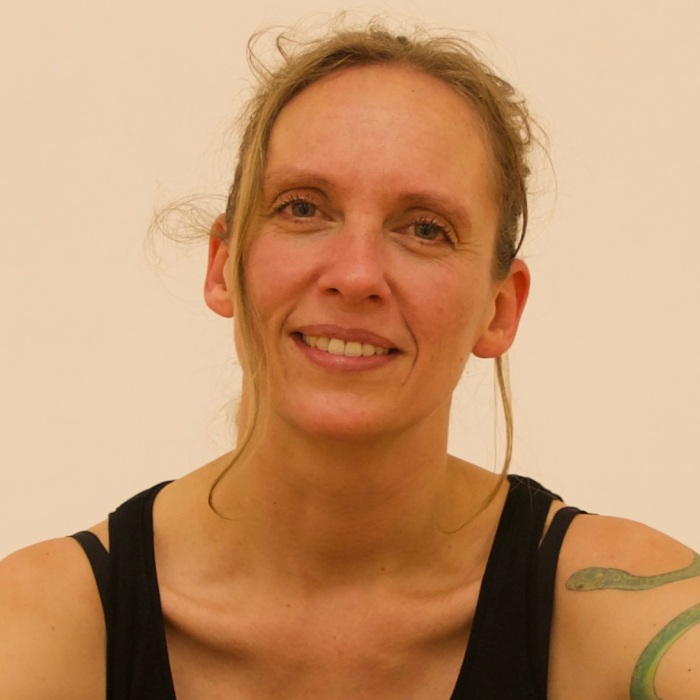
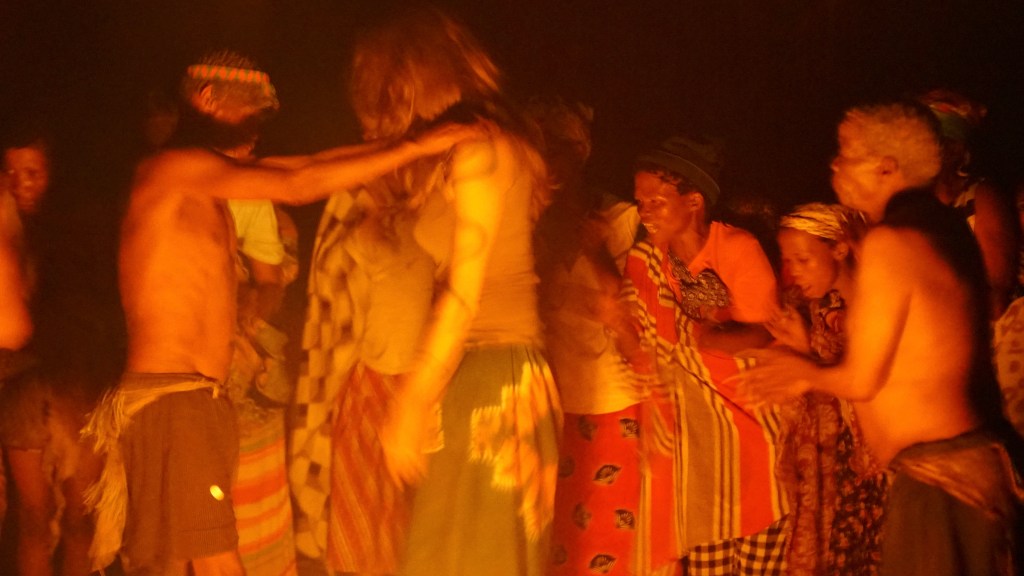
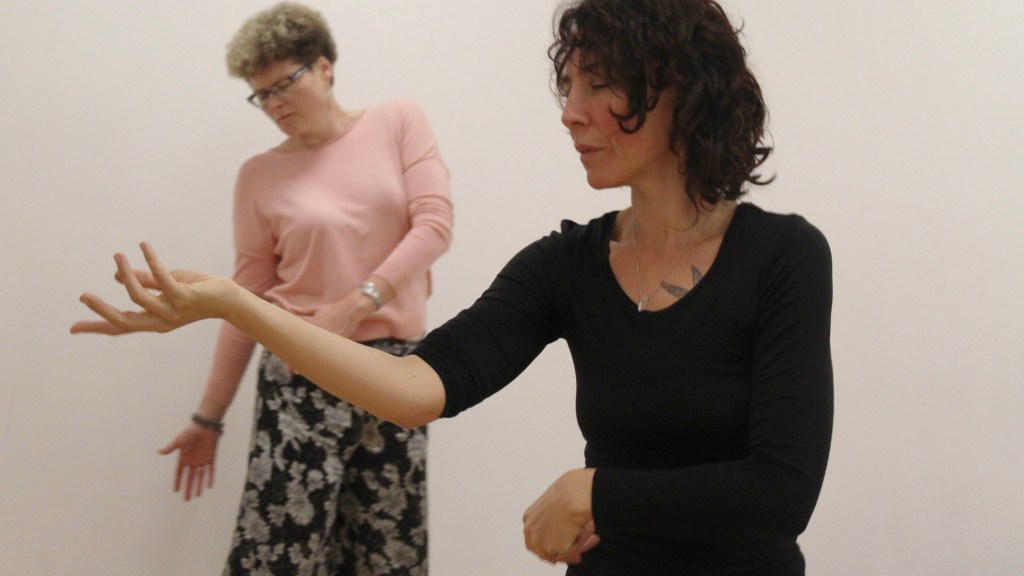
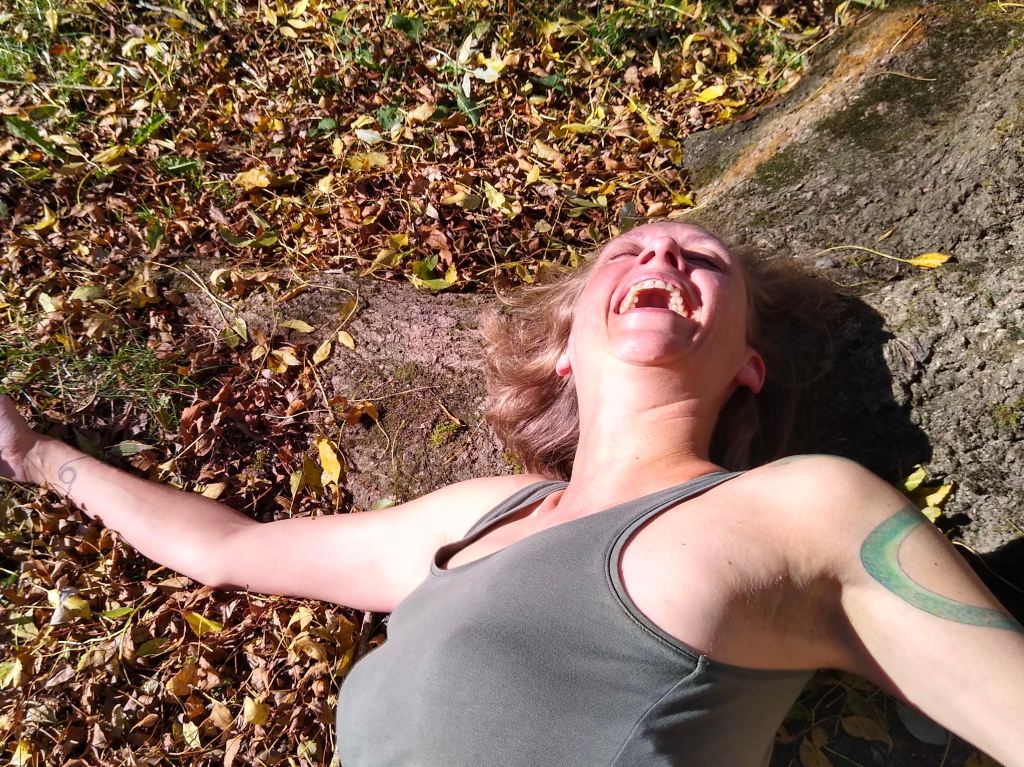
 For almost 35 years nature has been my sacred place. As an 8-year old, I started to pray to Mother Earth even though the protestant tradition in which I grew up only recognised ‘God the Father’. I went outside in my inflatable rowing boat to seek solitude (as an only child in a quiet family!) on a small island in the lake of our local park. I practised rowing and walking quietly to not break the sacred silence. I collected herbs to brew infusions in my little thermos flask with boiled water brought from home. I sung to the moon, and danced my love for all creation back through my moving body. Over the last 15 or so years, I spent many days and nights at Neolithic monuments, dreaming in ancestral burial mounds, time traveling in stone circles in Cornwall, Wales, Scotland, England, Ireland and Brittany. This nature-based practice evolved naturally, and later incorporated my training with the Scandinavian Centre for Shamanic Studies and the School of Movement Medicine. Nature is where I reconnect most easily with the Sacred, and listen to the whispers on the great web of life in which all of nature is a great teacher. Nature, for me, is a strong place of prayer, solace, awe, reverence, gratitude, joy, guidance, reconnection, healing and transformation.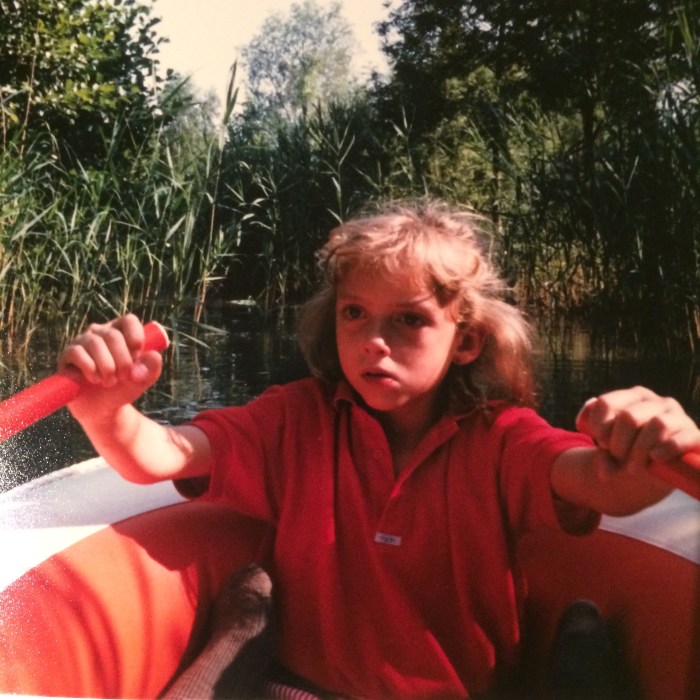
 Feminism and Religion