

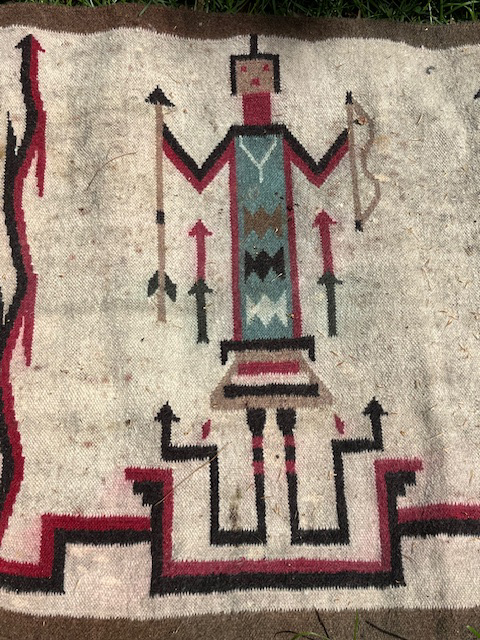
Every year at the end of August I celebrate the Wild Harvest by gathering elderberries to make a medicinal tincture that I use all year long and share with close friends.
This gathering is a process that begins in the spring as I search for new bushes and then later blossoming elderberry flowers in old and new places. As the summer progresses, I continue to monitor the bushes searching for those with berries. Beginning in early August I am on alert for ripening. I am especially mindful because our weather is changing rapidly. If the trend of bad air, fog, and too many deluges continues unabated it’s probable that the times for harvesting berries may shift. In addition, many of the wild places that once supported elderberry bushes have been manicured to get rid of the wild plants by mowing them down, bulldozing the soil to remove all greenery, etc. The rape of wild nature has escalated with time.
This year I have been especially fortunate because I found new clusters bursting out in places they weren’t before. I think the Elder – Berry Woman is helping me. Destroying these precious wild plants and their habitat means that a once common ancient Native plant remedy may be disappearing. Despite horticultural advertising our elderberry bushes do not do well in cultivation, if they survive at all.
Continue reading “Elderberrying with the Yei by Sara Wright”
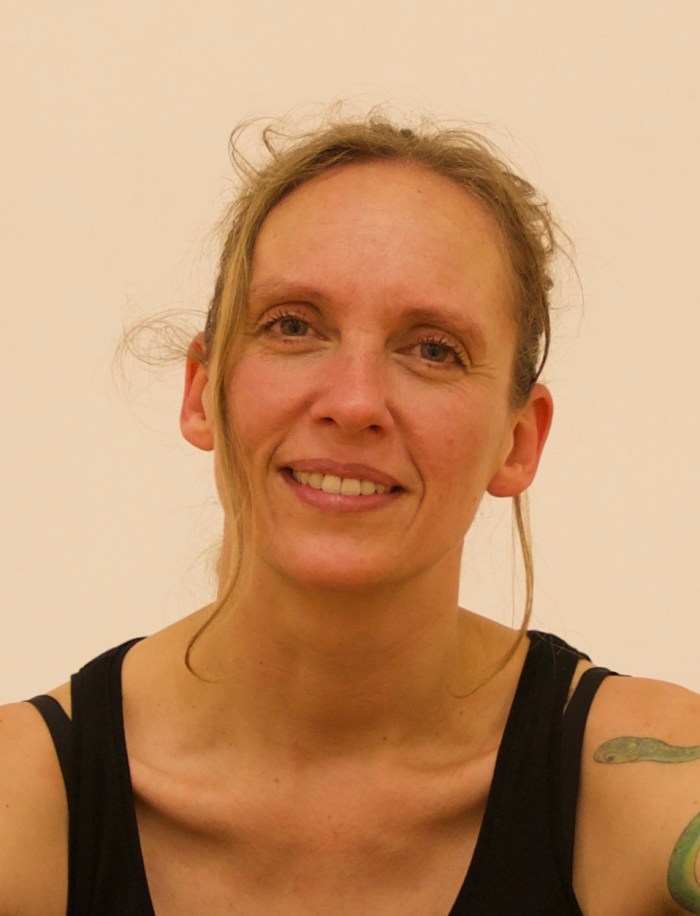 For almost 35 years nature has been my sacred place. As an 8-year old, I started to pray to Mother Earth even though the protestant tradition in which I grew up only recognised ‘God the Father’. I went outside in my inflatable rowing boat to seek solitude (as an only child in a quiet family!) on a small island in the lake of our local park. I practised rowing and walking quietly to not break the sacred silence. I collected herbs to brew infusions in my little thermos flask with boiled water brought from home. I sung to the moon, and danced my love for all creation back through my moving body. Over the last 15 or so years, I spent many days and nights at Neolithic monuments, dreaming in ancestral burial mounds, time traveling in stone circles in Cornwall, Wales, Scotland, England, Ireland and Brittany. This nature-based practice evolved naturally, and later incorporated my training with the Scandinavian Centre for Shamanic Studies and the School of Movement Medicine. Nature is where I reconnect most easily with the Sacred, and listen to the whispers on the great web of life in which all of nature is a great teacher. Nature, for me, is a strong place of prayer, solace, awe, reverence, gratitude, joy, guidance, reconnection, healing and transformation.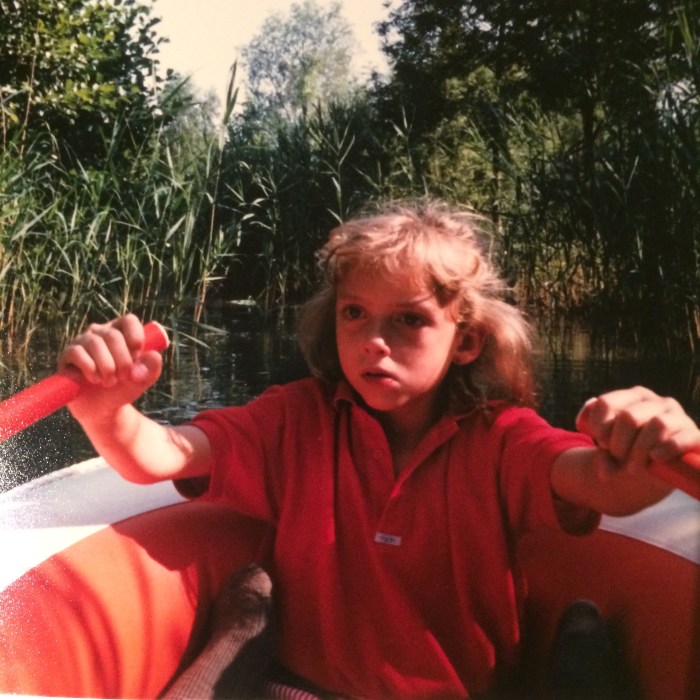
 Feminism and Religion