
From the Archives: To Nurse at the Same Breasts: Muslim-Jewish Kinship in Literature and Life by Joyce Zonana

It is tempting to read these recurring images of milk twins in Arab-Jewish literature as no more than a symbol, albeit a powerful one, of the profoundly intimate “brother- (and sister-)hood” of Jews and Muslims in the  pre-partition culture of the Middle East and North Africa.

But the image of “milk twins” is much more than a metaphor or a symbol: it represents a reality. For it seems that many Jewish and Muslim women, living side by side as they did, had in fact regularly nursed one another’s children.

Moderator’s Note: We received the devastating news yesterday that Joyce has died. (She was born on July 16, 1949, and passed on June 11, 2025 during the full moon.) She wrote bravely of her diagnosis of glioblastoma multiforma from Feb 2022. She survived far longer than her diagnosis would suggest. Joyce is a long time contributor to FAR, writing many brilliant pieces along the way. We’ve been so lucky to have been a platform for her writings. We are posting this one today in honor of her. It was originally posted on Jan. 20, 2022 and has special poignance given the situation happening now in the Muslim/Jewish world.
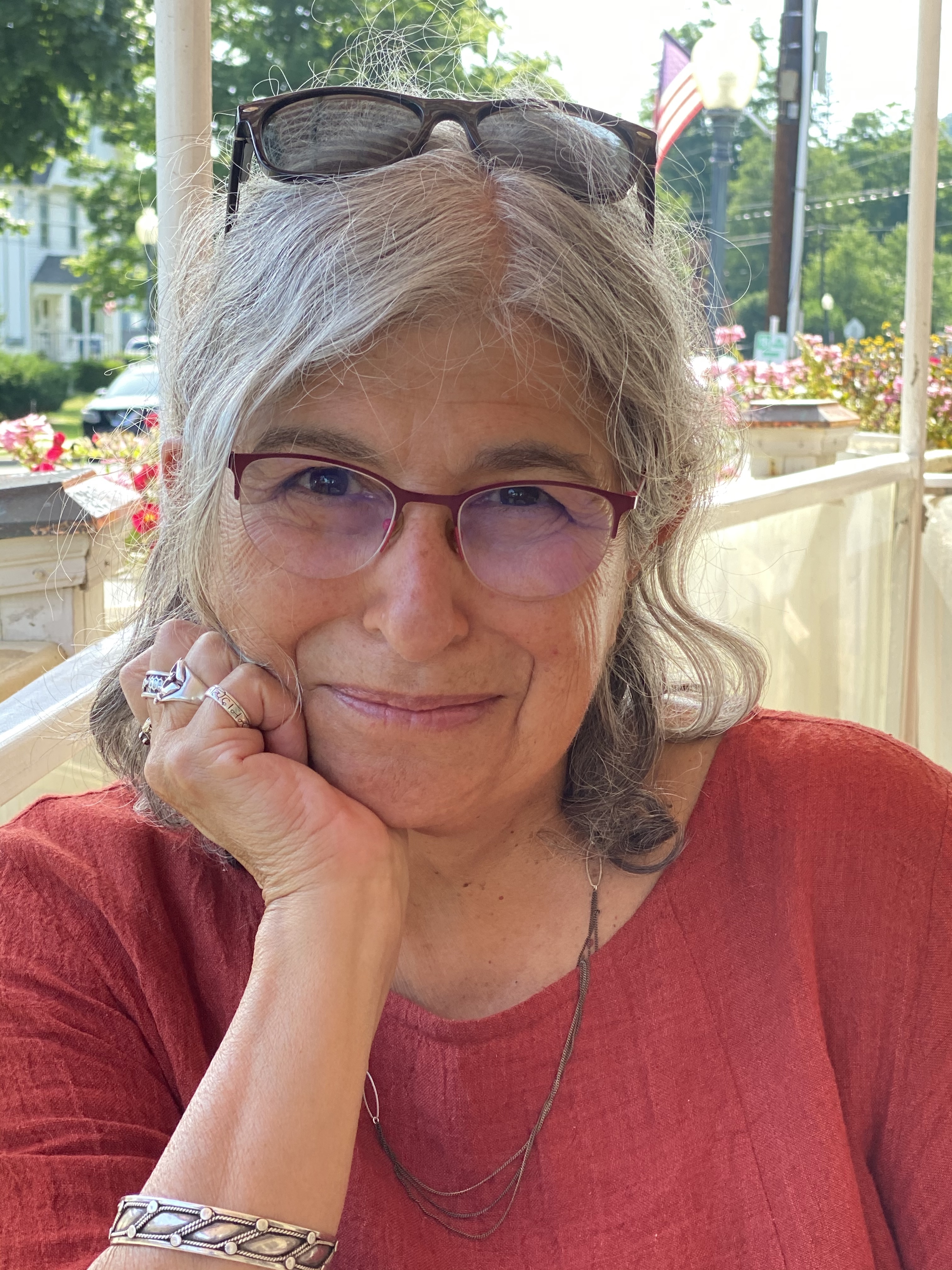
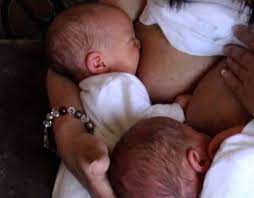
Joyce Zonana. headshotTobie Nathan’s panoramic novel about Jews and Muslims (and Christians) in early twentieth-century Egypt, A Land Like You, revolves around one central image: two infants—one Jewish, one Muslim; one male, one female—peacefully nursing at the breasts of a young Muslim woman, Oum Jinane (“Mother Paradise”).

After the birth of her long-desired daughter Masreya (“The Egyptian Woman”), Jinane travels from her poor Muslim neighborhood to a poor Jewish neighborhood to help another young mother whose long-desired infant son is languishing because she has no milk.  “It’s a miracle, a great miracle,” the Jewish boy’s relatives declare:
images

Never had any neighborhood in Cairo been so excited by a baby’s nursing. Until bedtime, the child nursed three more times at the breasts of abundance. He took hold of one nipple, little Masreya  another, and the two children’s hands sometimes touched. You would have thought they were two lovers entering Paradise as they held each other’s hands.

Continue reading “From the Archives: To Nurse at the Same Breasts: Muslim-Jewish Kinship in Literature and Life by Joyce Zonana”

Jacob’s Ladder, A Feminist Perspective by Janet Maika’i Rudolph

Today, I embark on my retelling of the biblical story of Jacob, the section usually referred to Jacob’s ladder or Jacob’s pillow. The entire story-arc of Jacob is filled with mystery and a sense of shamanic-style questing. What is the goal of a shamanic quest? There are many but the foundation is to open gateways to travel amidst thresholds. It is through these passages that we can gain knowledge of ourselves, have ecstatic experiences, do healing work, divination . . 

I believe this is a feminist issue because when we look at Jacob’s story more holistically, we can strip away the patriarchal assumptions inherent in the tale as it’s come down to us. For example, in my retelling, there is no male grand deity standing above, judging and dictating human actions and interactions. 

Continue reading “Jacob’s Ladder, A Feminist Perspective by Janet Maika’i Rudolph”

Eden, Eve and a Tale of Seeds by Janet Maika’i Rudolph

Last month I wrote about the Garden of Eden. You can read it here:

In that post, I described how Eden is essentially a garden of treasures. What are those treasures? I believe that they are seeds, the most prolific and creative element for spreading life here on Earth. Below is my own fantastical story about the Garden and how the seeds came to reside there.

Sinuous and serpentine, Hawwah, Hayyat, Eve emerged from Apsû, carrying within her seeds, fertilized eggs, and all the fruitfulness and abundance therein. 

Continue reading “Eden, Eve and a Tale of Seeds by Janet Maika’i Rudolph”

To Nurse at the Same Breasts: Muslim-Jewish Kinship in Literature and Life by Joyce Zonana

It is tempting to read these recurring images of milk twins in Arab-Jewish literature as no more than a symbol, albeit a powerful one, of the profoundly intimate “brother- (and sister-)hood” of Jews and Muslims in the  pre-partition culture of the Middle East and North Africa.

But the image of “milk twins” is much more than a metaphor or a symbol: it represents a reality. For it seems that many Jewish and Muslim women, living side by side as they did, had in fact regularly nursed one another’s children.

Joyce Zonana. headshotTobie Nathan’s panoramic novel about Jews and Muslims (and Christians) in early twentieth-century Egypt, A Land Like You, revolves around one central image: two infants—one Jewish, one Muslim; one male, one female—peacefully nursing at the breasts of a young Muslim woman, Oum Jinane (“Mother Paradise”).

After the birth of her long-desired daughter Masreya (“The Egyptian Woman”), Jinane travels from her poor Muslim neighborhood to a poor Jewish neighborhood to help another young mother whose long-desired infant son is languishing because she has no milk.  “It’s a miracle, a great miracle,” the Jewish boy’s relatives declare:

images

Never had any neighborhood in Cairo been so excited by a baby’s nursing. Until bedtime, the child nursed three more times at the breasts of abundance. He took hold of one nipple, little Masreya  another, and the two children’s hands sometimes touched. You would have thought they were two lovers entering Paradise as they held each other’s hands.

Continue reading “To Nurse at the Same Breasts: Muslim-Jewish Kinship in Literature and Life by Joyce Zonana”