

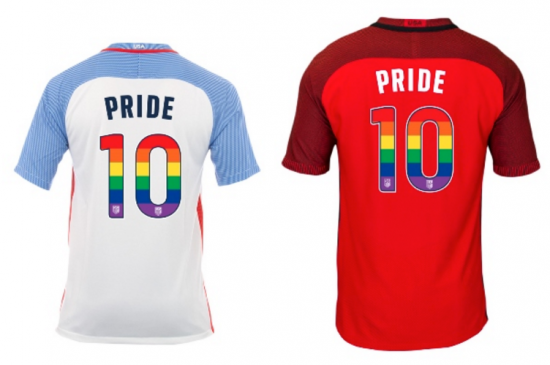
When I signed up to staff the voter registration table for Duluth Indivisible at our local Pride Festival, I hadn’t anticipated it being such a reunion of old friends. What a pleasant surprise when it was – friends and colleagues from work, the Women’s Coffeehouse, feminist activism, trainings, and former students. With all the hugs and smiles and glad tidings all around, it felt like a love fest. It seems appropriate because Pride is at its heart a festival of love and acceptance.
The first Pride parades took place in June 1970, to commemorate the one-year anniversary of the Stonewall uprising[i], and since that time, June has been Pride Month. But here in Duluth, the annual Pride celebration takes place over Labor Day weekend, a sort of last hurrah of the summer. Its stated mission is “to serve the people of the Duluth-Superior area community’s diverse sexual and gender identities by organizing safe and inclusive events that celebrate equality and self-expression.” The atmosphere was indeed one of joyous self-expression – a celebration of each person’s unique and precious being, and also of deep acceptance and connection. The bright colors of the rainbow were in evidence everywhere as were the radiant smiles among the festival goers.
Continue reading “Pride by Beth Bartlett”
 My partner and I are getting married in a little over a month. She, a lawyer, and I, a professor, live in the Czech Republic. Technically, we aren’t getting married because the Czech Republic doesn’t have marriage equality. Our relationship will not be recognized in the U.S. For that, we need to be married in a state or nation that has marriage equality. Germany might soon. Other options would be a number of EU countries or the United States, but that doesn’t affect our status in the Czech Republic. Finally, our marriage will also not be recognized by some in Jewish circles as well since the
  Feminism and Religion