


This post was originally published on 22 June 2022. Sh’lach was the Torah portion for yesterday, 13 July 2026. I have made only two edits: updated the pictures and clarified the chapter number and verses for the reference about tzitzit. I highly recommend one read the verses for a better understanding of my comments as I was rather brief. I have included a link to make doing so easier.
The Torah portion for the upcoming Shabbat is Beha’alotecha, which I have already discussed here. Thus, in this blog post, I will discuss the Torah portion for June 25th, Sh’lach (Numbers 13:1 – 15:41). Sh’lach contains the sending of scouts into the Land, the spreading of a bad report, more Israelite disobedience, conditional divine forgiveness accompanied by divine punishments, a description of types of offerings in the Land, the stoning to death of a Shabbat-breaker, and the commandment for tzitizit. From a feminist perspective there are two main areas I want to focus on in this post: the many ways in which the death penalty is prevalent in this parshah and the commandment for tzitizit.
Sh’lach has essentially two examples of death penalties, both, if the reader can believe it, divinely-inspired/required. First, let us look at the case of the man gathering wood. In verse 15:32, a few Israelites catch a man gathering wood on Shabbat. They take him to Moses, Aaron, and the entire congregation (15:33), all of whom were not sure what to do with him. Moses consults with the deity, who pronounces a death penalty by stoning outside of the camp (15:35). The people do as divinely instructed (15:36).
Besides the fact that I genuinely oppose the death penalty, the sentence here does not fit the transgression. How does breaking Shabbat warrant death? It does not.
Continue reading “From the Archives: “On Sh’lach.””

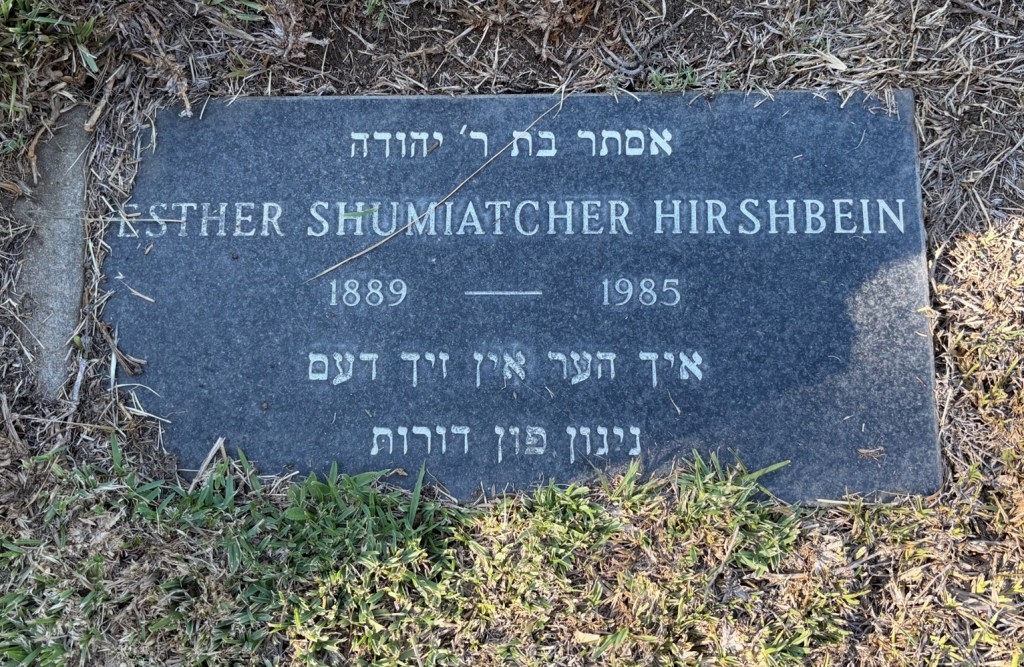


 On the eve of the Jewish Sabbath and the start of Rosh Hashanah, Supreme Court Justice Ruth Bader Ginsburg breathed her last breath. She was 87. She fought so hard for so long. She is an American patriot, hero, champion for women’s rights, and for many she was the stalwart bastion of justice and ‘liberal’ rulings. She was a Supreme Court Justice for 27 years. Her life has been put into books, a movie, and the most notorious memes around. She became known for elaborate collars over her Justice robes. We mourn the lost of her, we celebrate her memory, and we must pull up our boots and continue the fight.
 Around the age of 8, or maybe 10, I learned my aunt had had a hysterectomy. I remember visiting her house either shortly before or after the operation. I can’t remember which, and it doesn’t really matter. At the time, I don’t think I even knew what a uterus was or that I too had one.
  I contemplated doing a post on the current rising issues of the Coronavirus but as so much of life has been stopped, altered, and/or rearranged, that I figured I would embody the proverbial statement of “Just Keep Calm and Carry On.” So, this month’s post is a mixture of observation/product review on recent Holocaust narratives, especially found in movies, TV shows, and books.
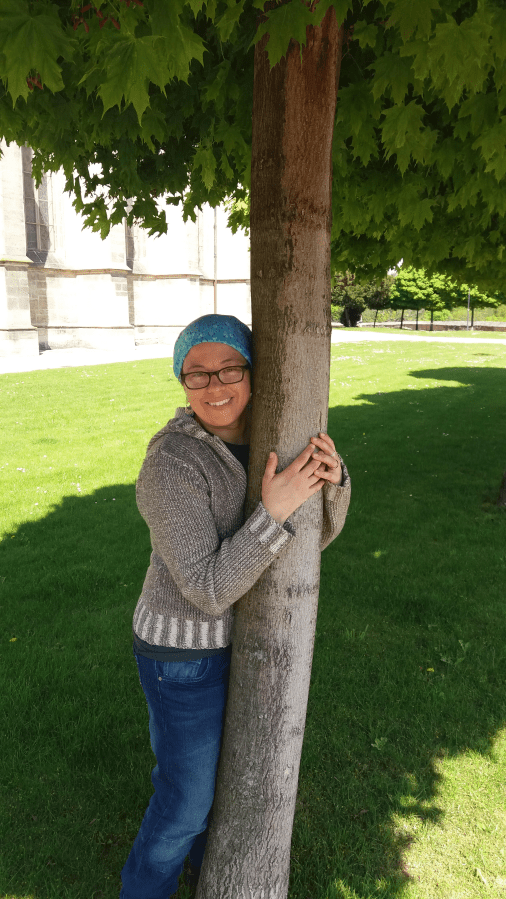 Tomorrow is Tu B’Shevat, the New Year of the Trees, or their birthday. It is the day of the year when all trees, regardless of when they have been planted, turn another year older. The rabbis standardized this day in an effort to minimize complexities, since in the land of Israel, fruit can only be eaten from trees that are four or older (Leviticus 23-25). Tu B’Shevat, then, on a practical level, marks how old fruit bearing trees are.
