

Part 1 was posted yesterday
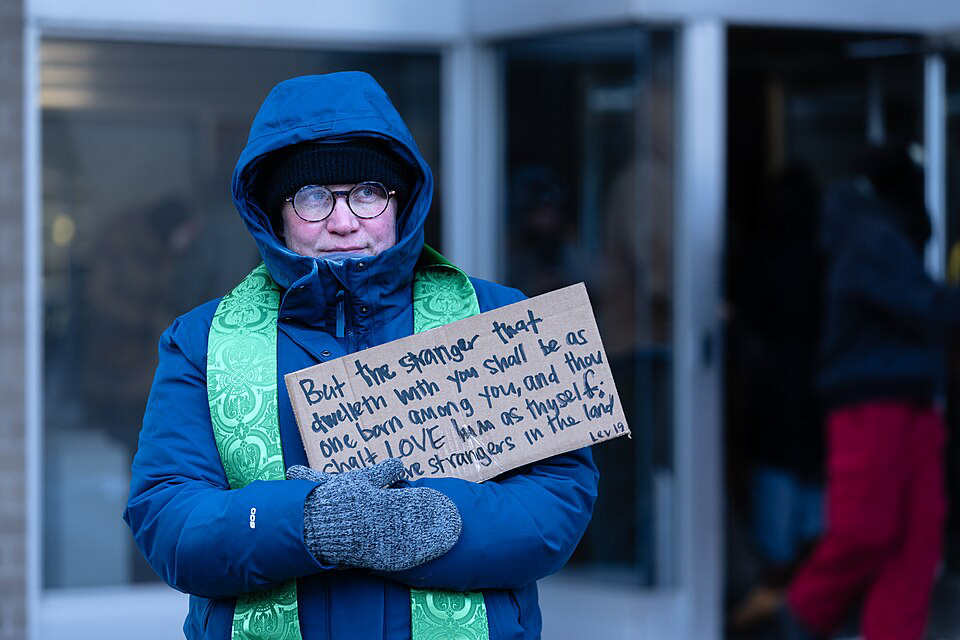
The Minnesota resistance went far beyond Gene Sharp’s catalog of techniques. Minnesotans kept their resistance up through creativity, celebration, fun, and humor in those dark, cold days. On a cold, clear January night, hundreds gathered on Lake Nokomis using hand-held candles and ice candles to spell out the words, “ICE OUT.”
The annual sled art contest was turned into a spoof of ICE – with a giant cardboard bowling bowl rolled down the hill to knock down fascist kingpins – Trump, Putin, Orbán; a young boy on his plastic sled festooned with Monarca’s butterflies saying “We Are Family” and “Justice for Renée Good”; sleds with messages of “Resist” and “Love Melts Ice” on a giant heart; a sled decorated as a bottle of de-icer and one of a chicken wearing a whistle with the message, “ICE OUT MSP.”
The whistle was to represent one of the most noteworthy and effective resistance strategies. Whenever witnesses spotted ICE agents in the area or an arrest in progress, they would blow their whistles to alert those close by – short bursts to indicate ICE is nearby or long blasts to indicate ICE is actively detaining someone, with the added instructions to “Form a Crowd. Stay Loud. Stay nonviolent.” The whistles, most given out free by local businesses and activist groups, became a symbol of resistance and more importantly, solidarity, as whole neighborhoods came together to protect their neighbors.
Continue reading “Creative Resistance Minnesota Style: Part II by Beth Bartlett”
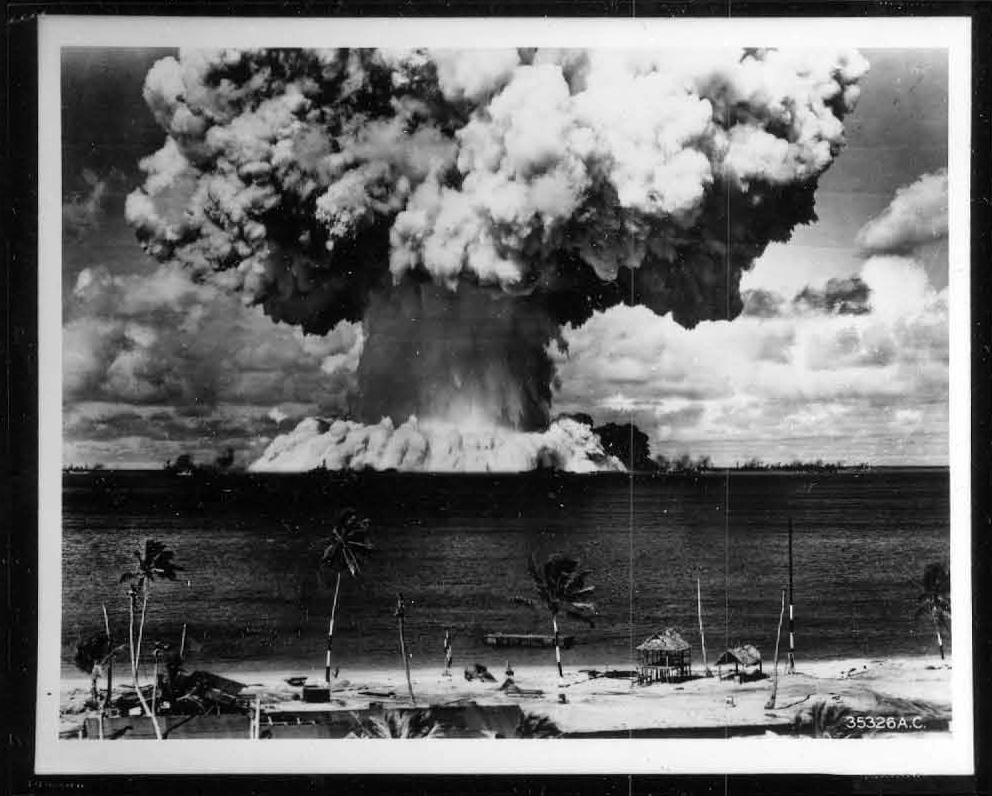 I wish that in our pursuit of finding cures for illnesses we would do more as a collective species to prevent the causes, sometimes environmental ones. Why do we vote for people to make decisions that represent us but that we would never in a million years agree to? Bombs and the consequences of them raise questions of health and power. In the Yoga Sutras, 2.30, we read that “Yama consists of non-violence, non-lying, non-stealing, appropriate use of vital energy, and non-possessiveness.” The yamas are our social restraints. They are a negation of behaviors we might usually partake in.

