
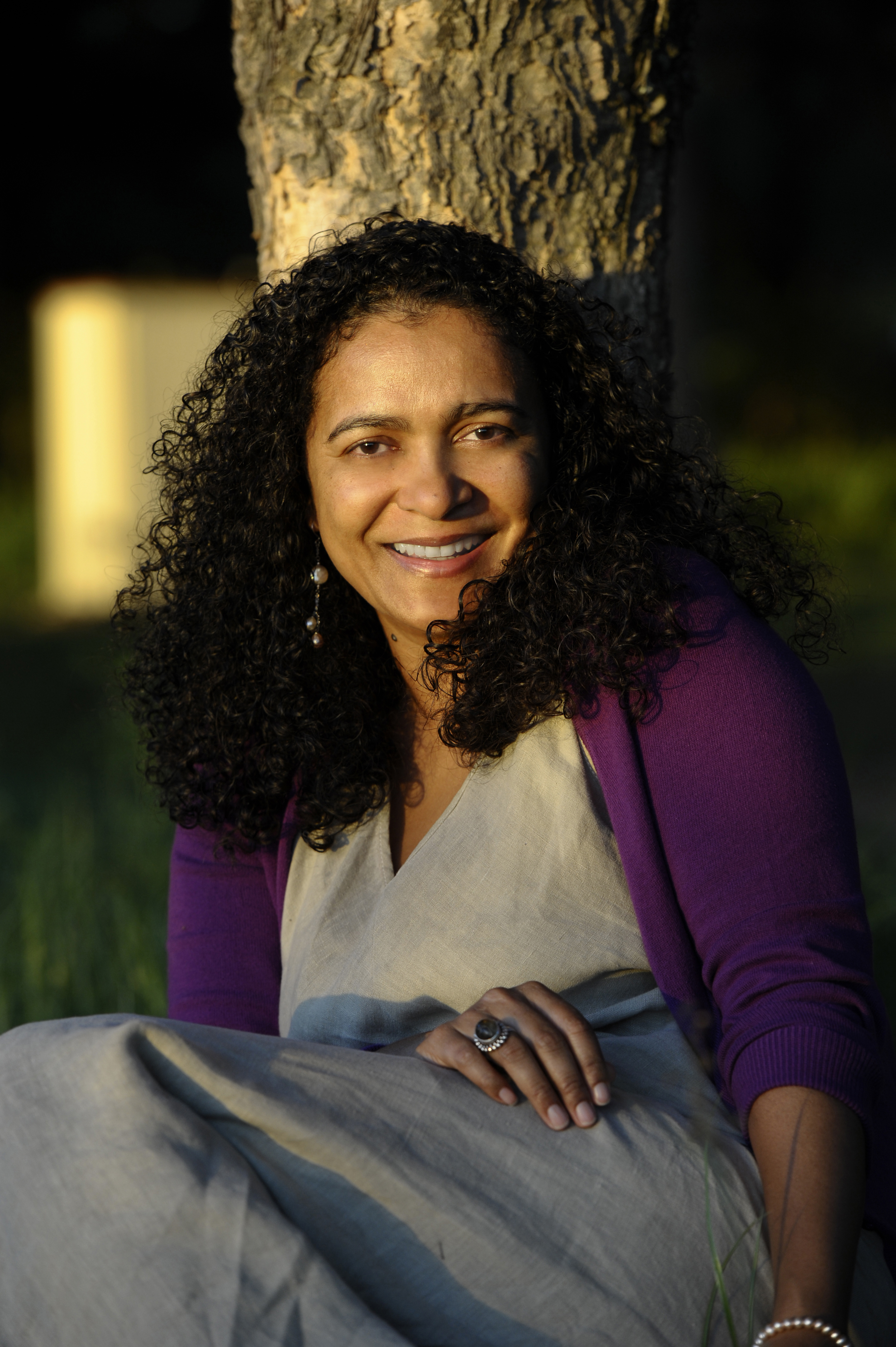
Gendercide: Words and Poem by Bernedette Muthien

engender, Bernedette Muthien, gendercide, poetry, violence against women, patriarchy,

gendercide  

 it took a full week

of straitjacketing generations

of genocidal femicidal trauma

for the clay dam wall to explode

and flood me in torrents

of collective grief

a poet with no words

a lifelong activist struck dumb

i choke on love for the dead

thousands of beautiful women and children a year

i puke for my incested cancerous country

and gag grappling for compassion of

perpetrators and the morally blind

in this breathtaking country

so brutally drenched in the blood

of ordinary women and children

i discover anew

that i fail to

swim

my spiritual cadaver

is dragged under by the concrete limbs

of victims perpetrators witnesses

majority blinkered burdens

too busy scrabbling for survival

to fight for justice

as i contemplate the imminent refreshment

of my childhood starvation

my hunger for food agency adventure

leads me to stare the dragon in its ambered eyes

like a mirror of my ever-present shadows

Demon! Patriarchy…

how can I love you to death…?

— Bernedette Muthien (15 feb 2013)

for the billion women martyrs around the world… Continue reading “Gendercide: Words and Poem by Bernedette Muthien”

Hagar: A Portrait of a Victim of Domestic Violence and Rape

This week Twitter has been a flurry with information for victims of   domestic violence and rape.  This ranges from the U.S. redefinition of rape to include men to Nigeria’s first anti-rape toll free hotline for women.  There is even a male movement to stand against rape.  This problem is an ongoing issue, one that shows no sign of diminishing or going away.  According to Amnesty International, one in three women worldwide have been beaten, coerced into sex, or otherwise abused and their abuser is normally someone they know.  As I contemplate this very difficult issue, I am reminded of the Biblical Hagar in Genesis 16. The story of Hagar and Sarai is abundant

Men Can Stop Rape (http://www.mencanstoprape.org/)

in ethical situations that draw in the reader and presents complex issues that can be very troublesome.  If you take the text hermeneutically, through an ideological examination in its English translation, we have an Egyptian woman, who is also referred to as slave or concubine, forced to engage into sex with her owner’s husband for producing an heir.  Here the abuser is a woman with a docile and obedient husband portrayed by Abram.  What can we  glean from such a story for today’s battered women?  Hope or horrific defeat? Continue reading “Hagar: A Portrait of a Victim of Domestic Violence and Rape”