

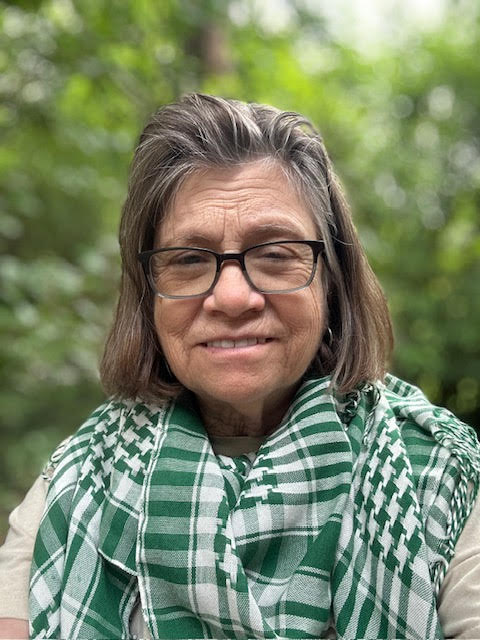
American media and the Taliban in Afghanistan have both long disparaged Islam regarding the status of women. I would like not only to correct the contention that women are second-class, but to provide for you an argument that Islam is, based on our Prophet and the Holy Quran, a feminist and egalitarian religion. It has been falsely maligned.
For your convenience I will use the English word for Allah, God, throughout this piece. (Did you know Arabic speaking Christians call God; Allah?)
Please note Muslims believe that all the Holy Books, the Bible and Torah, were indeed revelations from God. Belief in all the Holy Books is one of Islams 7 articles of faith. However, according to Muslim creed the Bible has been changed by humans through time deliberately or not. Thus Quran, the most recent revelation sent 610 years after Christ, is relatively unaltered from its original. It was radical, even then, for providing women the rights to inheritance, to have their own money and property, and for them to retain the dowry paid for marriage, not the father.
Continue reading “Islam: A Feminist/Womanist Faith by Jamilah Ali”
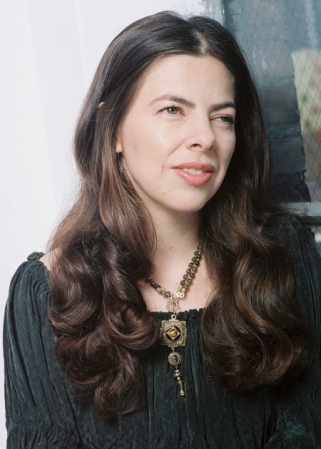 The Torah reading for the first day of Rosh haShanah, the Jewish new year, is not, as one might expect, the creation of the world (Rosh haShanah was Friday night, Saturday and Sunday, 9/18-9/20). Instead, the set reading is Genesis 21, the story of how Sarah, wife of Abraham, gives birth to Isaac—a joyous occasion indeed, given that she is ninety years old. But then Sarah becomes anxious that her husband’s other wife, Hagar, also has a son, Ishmael, who could inherit from Abraham, and demands that Hagar and Ishmael be expelled from the household. This year, reading this tale, I am seeing a story that shows how when we think about success, abundance, and consequences, we include some people in our consideration but not others. In this tale, the Divine includes the perspectives of the unwitnessed even when we do not.
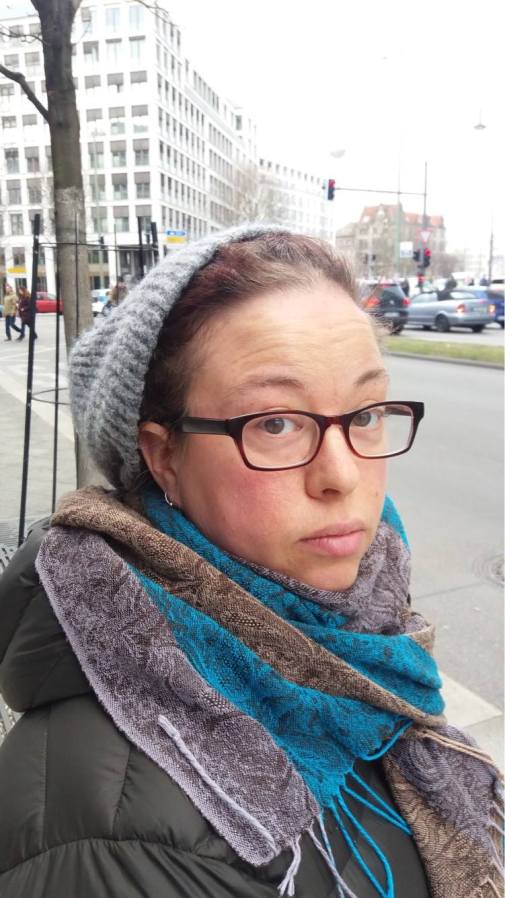 The parshah for this week is Lech Lecha (Genesis 12:1-17:27). I’ve actually written about Lech Lecha on this forum before, concentrating on the parental aspects of the divine. See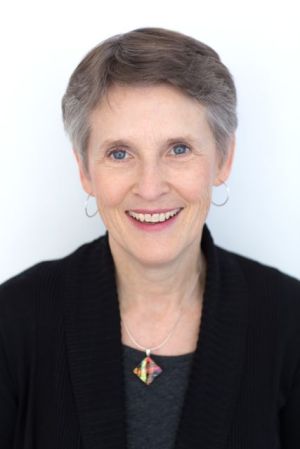
 The morning air is hot around the pillars of Jerusalem stone, but the congregation is already tired. The prayers are old, pro forma and remote, drawing power now from the sound of the Hebrew more than from the meaning of the words. “Thank you for mercifully restoring my soul to me…” intones the small group of gathered men, “and for not making me a woman.”


