

Moderator’s note: While Samhain is past for this year, we are still in the section of the Celtic calendar which makes this blogpost, and its part 2 which will be posted tomorrow, relevant.
Samhain is an ancient Celtic festival, in fact the most sacred celebration in the Celtic year. Samhain is the New Year of the Celtic calendar. It is one of the eight holidays of the Celtic year—the solstices, equinoxes, and cross-quarter days—all of which mark the turnings of the seasons. Samhain is a time when the harvest had been completed; all the grains and late-maturing vegetables have been gathered in; the fields have been cleared, the old cast off, the fields lying fallow over the cold and dark of winter in order to make room for the eventual springing forth of new life. The New Year, begins in darkness at Samhain, is a reminder that all life emerges from the darkness, that death precedes rebirth. It is a time when the veil between the worlds of the dead and the living thinned, so that the presence of those who have gone before us is more clearly felt or even seen. It is a time to remember the ancestors as well as those newly departed—to grieve our losses, to let go so that we can move forward.
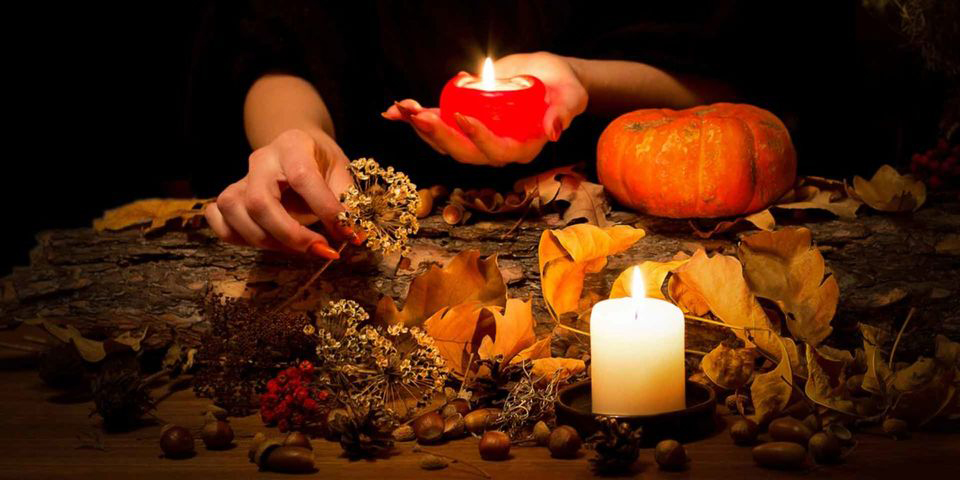
Samhain is the precursor of our Halloween. It was brought to this country by Irish immigrants during the potato famines in the 19th century. They brought their Celtic customs with them, but by that time Samhain was known as Hallows Eve, since the Irish were good Catholics. It struck a responsive chord with the American people, who called it Halloween. They adopted many of its customs, including lighting candles in gourds or pumpkins and dressing in costume. Today Halloween is celebrated as a spooky and fun time, observed with trick-or-treating and mischief-making, but originally it was a solemn holiday—a time to commune with the beloved dead, to honor the ancestors with food and drink, and to acknowledge death as part of a never-ending cycle of birth, death, and rebirth.
Continue reading “Samhain and the Waters of Hurricanes Helene and Milton, part 1 by Susan Foster” Feminism and Religion