

When I offered to write the FAR post for Thanksgiving a month ago, I had no idea how difficult I would find that task to be. I suppose I had a different vision of what these days would be like. I had no idea how heartsick and wordless I would become in the wake of a second and even more bizarre and dangerous Trump presidency. It hardly feels like a time for celebrating a national holiday.
Thanksgiving in the United States and the colonies before has gone through several iterations – from the mythologized feast of the Puritan colonists in Plymouth, Massachusetts with the indigenous Wampanoag following the successful corn harvest – corn the Wampanoag had taught the Puritans how to plant after half of them had starved to death the previous winter; to George Washington’s Thanksgiving proclamation giving thanks for the successful ratification of the US Constitution; to Abraham Lincoln in 1863 acceding to Sarah Josepha Hale’s 36-year quest to establish Thanksgiving as a national holiday — “to heal the wounds of the nation.” Goddess knows we could use that now, but it seems farther out of reach than ever.
Lesser known is the proclamation of a day of thanksgiving by the Massachusetts Bay Company to celebrate their defeat of the Pequot nation following the Pequot Wars of 1636-1638 in which most of the Pequot peoples were killed or enslaved, giving rise to many indigenous peoples observing Thanksgiving as a National Day of Mourning.
Continue reading “Thanksgiving by Beth Bartlett”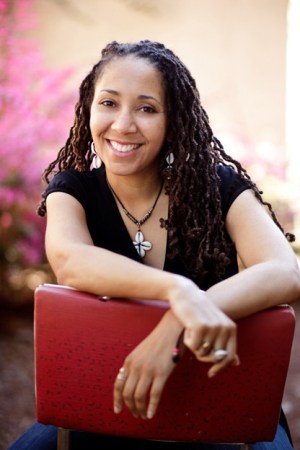 In national quarantine and sheltering-in-place or is it “safer-at-home,” all I could think about was that we were living in a scene from the late Afrofuturist writer Octavia Butler’s book
  We live in a dystopia. This world is filled to the brim in dichotomies: poverty and extreme excess, hunger and mountains of food, disease and cutting-edge medicine, materialism and an immense environmental crisis, and hour-long walks for water and hour-long luxurious baths. There are so many parts of our world that are not just unfair, unequal, broken and undesirable, but violent, traumatic and deadly. And, sometimes it feels like it is only getting worse, or at least, again teetering on the edge of yet another catastrophe.
 Feminism and Religion