

This was originally posted on April 15, 2013
In a gift economy inequalities are balanced out by the cultural practice of gift-giving. If you have more, then you give more, if you have little, you still feel it is better to give than to receive. A person who hoards wealth is not viewed positively.
The worldview of a gift-giving economy is so far from our own that we can barely comprehend it.

In Skoteino, Crete, eighty-seven year old Marika awaits eagerly for the arrival of our group. She does not come empty-handed to join us after we have finished a meal lovingly prepared by Christina. Marika brings a bottle of raki and urges us all to join her in downing a small glass of her homemade moonshine. Often she offers us nuts she has cracked or raisins she has prepared as well . She has almost nothing and lives without many modern conveniences, but she would not consider joining us without bringing a gift.
Continue reading “Legacy of Carol P. Christ: A Gift Economy: Could It Be Better To Give Than To Receive?”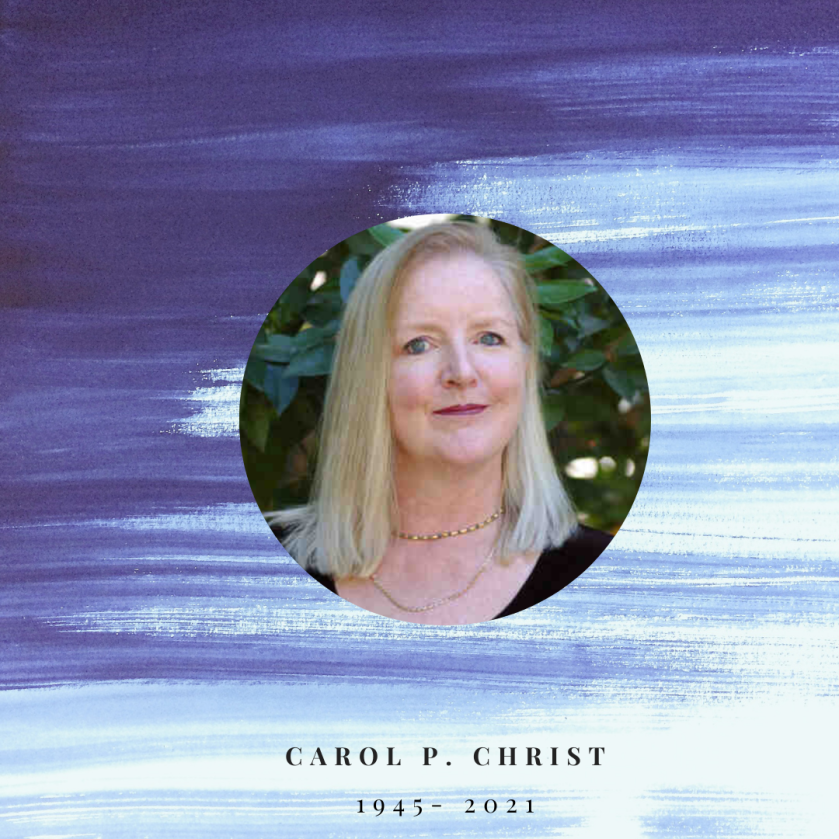
 In the 1960s and 1970s, American-born Genevieve Vaughan was living in Rome with her husband, philosopher Ferruccio Rossi-Landi, and their three daughters. When Rossi-Landi, using Marxist models, began to write about language as a form of “exchange,” Vaughan was inspired to articulate her alternative theory based on the idea that language was developed and is learned through the gifts of the mother to the child. From that beginning, Vaughn developed an alternative theory of culture based on what she calls the “gift economy.”
 Strawberries shaped my view of a world full of gifts simply scattered at your feet. A gift comes to you through no action of your own, free, having moved toward you without your beckoning. It is not a reward, you cannot earn it, or call it to you, or even deserve it. And yet it appears.
 Feminism and Religion