Silencing Miriam: Prophetess, Liberator, and Leader By Michele Stopera Freyhauf

The prophetess Miriam, Aaron’s sister, took a tambourine in her hand, while all the women went out after her with tambourines, dancing; and she led them in the refrain: Sing to the LORD, for he is gloriously triumphant; horse and chariot he has cast into the sea.”(NAB, Exodus 15:20-21)

The Song of Miriam is not a story of death and destruction, but rather liberation.  It is a poetic celebration of God’s liberation of the Israelites from the oppressive Egyptians, which, according to Bernhard W. Anderson in “The Song of Miriam Poetically and Theologically Considered,” marks the beginning of the Israelite tradition (292).  Phyllis Trible in “Bringing Miriam out of the Shadows” states that this act marks the end of the Exodus, which was started by Miriam, not Moses (169, 172).  The act of liberation reveals God’s action in humanity.  Gerald Janzen in Exodus believes this act also moved the Israelites “to fear the LORD and believe in the LORD and in his servant Moses” (109).  The uniqueness of this passage is that the most unlikely person leads – this person is not a man but rather a woman.

This brief passage in the Hebrew Scriptures is revelatory – Miriam is revealed for the first time.  She is a prophetess, Aaron’s sister, and the role of leader of the victory dance to honor the Divine Warrior.

Continue reading “Silencing Miriam: Prophetess, Liberator, and Leader By Michele Stopera Freyhauf”

When Music Touches Your Soul by Elise Edwards

It’s incredibly liberating to have the co-mingled sensation of being elevated by aesthetic delight, affirmed by words that reflect the life experiences of you and your loved ones, and honored by another’s desire to relate to you.  This type of liberation is spiritual.

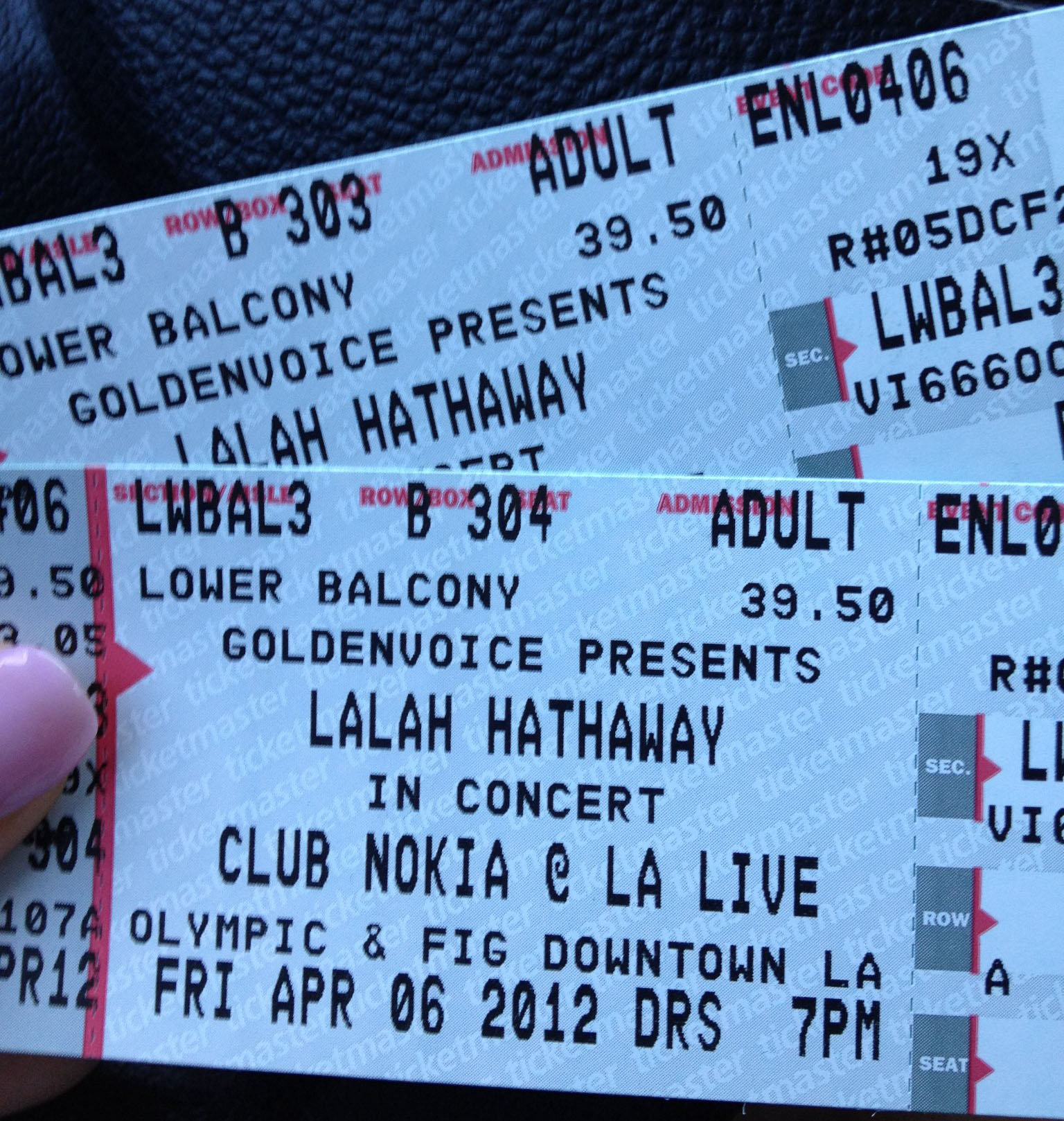
Last month, I attended a Lalah Hathaway concert, the first live concert I think I’ve attended in about a year.  For those of you who don’t know, Lalah Hathaway is an R&B singer and daughter of the late Donny Hathaway.  It was my first time hearing her perform and the audience’s response to her artistry sparked some thoughts in my mind about authenticity, soul, and participation in the black church.

I should probably admit that my favorite genre of music is R&B/soul because of what its name suggests – the ability of the music to connect to the innermost parts of my being, the spirit inside of me that recognizes what is true.  Whether they are speaking about joy or pain, love or loss, soul singers have a way of making me feel the authenticity of their souls conveyed through their music and lyrics.  Because I agree with the feminist principle that the personal is political, I believe that feminists must take the time to recognize what is personally true for them and what is most real.  This is so that feminists’ energies directed toward making the world a more just place can be sustained during times of struggle, and maintained with integrity, regardless of what sphere they’re located within.  Soul music helps me remember who I am. Continue reading “When Music Touches Your Soul by Elise Edwards”

Feminist Music By Gina Messina-Dysert

Last week Caroline Kline shared the article “Feminist Films” and discussed the Bechdel Test as a way to identify whether or not a film is feminist.  It left me wondering – can we identify music as feminist in the same way?  Music generally does not offer dialogue between two women.  But there are instances where we find two women singing together about feminist issues like the 80’s classic “Sisters are Doin’ it for Themselves.”   There are also women singing about or to women, like Juliana Hatfield’s “My Sister.” And there is music that acknowledges women’s struggles as women like Ani Difranco’s “I’m No Heroine,” No Doubt’s “I’m Just a Girl,” and Pink’s “Stupid Girls”.    But is this the only way to identify feminist music?   Continue reading “Feminist Music By Gina Messina-Dysert”