
Changes, part 2 by Sara Wright

part 1 was posted yesterday
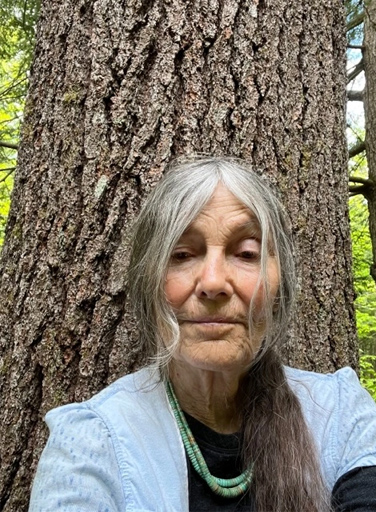
Returning home, I peered around my house; most of my wildflowers are seeding up – only a few columbine, celandine, wild bleeding heart and a riot of Canada anemones are shining their white faces upturned to the sky. What used to be my cultivated garden has gone wild, and I have let my vegetable garden go. As more and more trees shade the house, (A blessing during these hot dry summers) I feel a tremendous sense of contentment. I am doing research on wild plants for some folks, spending time in the woods when I can. Being surrounded by so much diversity offers me hope that even now some wild places will survive – at least for now.

Because one of my beloved dogs is in heart failure, Lucy’s health is my first priority, so we walk as early as possible to avoid Lucy’s coughing and shortness of breath. Later, I walk by myself, grateful that I have this little patch of land to cover a few miles without having to leave the property. It helps that I rise so early. When I can, I head for the forests I love, but the woods and my writing life have had to take a backseat to Lucy’s illness. Since my dogs have helped me survive my life – like nature has, they will always come first.

Continue reading “Changes, part 2 by Sara Wright”
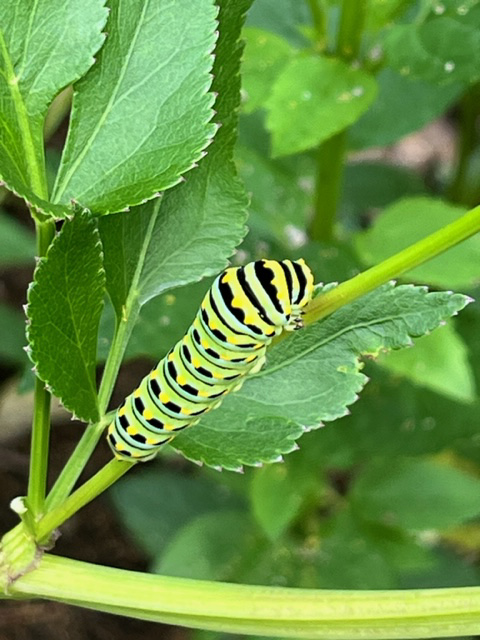
Changes, part 1 by Sara Wright

A Reflection

Two days ago, I climbed a nearby mountain on a quest to check on some wildflowers that have been disappearing. I noted the leaves in the hardwood forest were crackling under my feet and the two small brooks were dry. When I reached my destination, I felt discouraged. Not again. A whole series of trees had been cut to open a view that made no sense. Across the horizon some trees, but no mountains or water ‘views’ although I was standing on a mountain ledge (and just how many mountain views do we need here in the mountains anyway)? After perusing the area with keen attention, I was convinced. The wildflower I was seeking had been burned to a crisp under a solstice sun after the protective trees were cut, and I had to accept that this jewel was gone for good.  Worst of all this travesty occurred in what was supposed to be a protected “recreational community forest.” (translation: human centered – nature is just being used).

Continue reading “Changes, part 1 by Sara Wright”

Remembering “The Burning Times,” Part 2: Healing by Beth Bartlett

You can read part 1 here.

The effects of “the burning times” are still with us. I can feel this in my own body. As Starhawk put it so vividly, “the smoke of the burned witches still hangs in our nostrils, . . . remind[ing] us to see ourselves as separated. . . in competition with each other, alienated, powerless and alone.”[i] However, she continues, “the struggle also continues.” That struggle is the impulse toward wholeness, healing. That journey toward healing begins with remembering and acknowledging past harms, so that we may better understand who we are and the ways these continue to live in our bodies, psyches, and culture in order to address them.

In South American indigenous cultures, trauma is recognized as susto, or “soul wound,” and it is on that level that healing needs to happen.[ii]  To quote Shirley Turcotte, “Healing from trauma is a spiritual matter, a relationship matter, and there are places in recovery that require a precious spiritual response.”[iii] The women’s spirituality movement continues to be one such precious response. The work of Starhawk and others to reclaim the word “witch” and to revive and reimagine a tradition of valuing immanence, the sacredness of the earth, and the ability to change the world for the good has been invaluable in this.[iv] In her examination of the reasons for the persecution of witches, Starhawk names the “war on immanence” as one of three factors.[v] If the spirit was not present in the earth itself, then people had to rely on priests and the Church for access to a transcendent god. 

Continue reading “Remembering “The Burning Times,” Part 2: Healing by Beth Bartlett”