
Navajo  Mountain Way Chant :  Bear as Healer – He Who Frightens Away Illness, part 1 by Sara Wright

All Navajo ceremonial practices emphasize healing human illness, emotional, mental, and physical, while restoring balance and harmony between humans and the rest of Nature. The most sacred of these ceremonies occur during the winter months. All the winter ceremonies have at their center the healing power of animals. The best known of these is probably the Night Chant that lasts nine days and nine nights and is held sometime around the winter solstice – the timing of these ceremonies is fluid. Like the Night Chant, the Mountain Way Chant probably stretches back into prehistoric times from 60,000 – 4000 B.C.E.

The Mountain Way Chant, the second and equally sacred although less well-known ceremony is also a nine-day night chant that marks a transition between the seasons of winter and spring. The Mountain Way Chant takes place in late winter before thunderstorms strike and the spring winds arrive ( any time after First Light which occurs in the beginning of February until the Spring Equinox). It’s important to know that these ceremonies are not only fluid but can occur as many times as are needed. One purpose is to call up the rains. The ceremony is led by a medicine man that addresses, in particular, the mental uneasiness and nervousness associated with transitions, helping to bring individuals and their extended families back into balance and harmony with the rest of nature (my italics).

Continue reading “Navajo  Mountain Way Chant :  Bear as Healer – He Who Frightens Away Illness, part 1 by Sara Wright”
Navajo Night Chant – Part 2 by Sara Wright

Picture of Sara Wright standing outside in natureRead Part 1 here:

The original Night Chant involved four teams who danced twelve times each with half-hour intervals in between-a total of ten hours. The dance movements involve two lines facing each other. Each of the six male dancers takes his female partner, dances with her to the end of the line, drops her there, and moves back to his own side. The chant itself is performed without variation and has a hypnotic effect on the listeners. The only relief is provided by the rainmaker-clown named Tonenili, who sprinkles water around and engages in other playful antics.

The medicine men who supervise the Night Chant insist that everything-each dot and line in every sand painting, each verse in every song, each feather on each mask-be arranged in exactly the same way each time the curing ceremony is performed or it will not bring about the desired result. There are probably as many active Night Chant medicine men today as at any time in Navajo history, due to the general increase in the Navajo population, the popularity of the ceremony, and the central role it plays in Navajo life and health. Continue reading “Navajo Night Chant – Part 2 by Sara Wright”

 Navajo Night Chant – Part 1 by Sara Wright

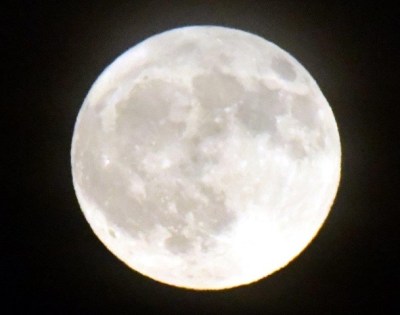
Picture of Sara Wright standing outside in natureWith the Winter Moon waxing on nights when stars are falling from the sky and the winter solstice passage, I am much aware of the healing and dwelling place that I inhabit that also characterizes these dark months of the year.

Unfortunately, even those who acknowledge our seasonal turnings rarely honor the dark as sacred. At the winter solstice the emphasis is still on light.

As Carol Christ writes so succinctly we manage to celebrate light at both solstices – at its apex and as its return. Continue reading ” Navajo Night Chant – Part 1 by Sara Wright”

Navajo Night Chant and the Sacred Dark by Sara Wright

With Winter Moon’s passage and the approach of the winter solstice just a little less than a week away I am much aware of the (potential healing) dwelling place that I inhabit that also characterizes these dark months of the year.

Unfortunately, even those who acknowledge our seasonal turnings rarely honor the dark as sacred. At the winter solstice the emphasis is still on light.

As Carol Christ writes so succinctly we manage to celebrate light at both solstices – at its apex and at its return.

This attitude reveals to me an inability to be present to dark, in both its generative and non-generative aspects. The original inhabitants of this country honored the dark months of the year very differently than westerners do. Their most important ceremonies occurred during the winter months. Both aspects of the dark were acknowledged and explicated through ceremony. What follows is a history of one of the Navajo healing ceremonies that occur only during the winter months of the year. Continue reading “Navajo Night Chant and the Sacred Dark by Sara Wright”