

Part 1 was posted on December 18. You can read it here.
But what was the straw that broke the camel’s back in my case? What hurled me into that dark abyss I described earlier? The paranoia, the anxiety, the nightmares and sleeplessness. Not opening my closet in three years or not caring about much of anything. The fear of being alone in a place or in a crowd of strangers. Fear of going to unfamiliar places. Of driving myself across town. Did it start with the collective trauma and abuse mentioned earlier? I can’t be sure, but therapy definitely points to my attack by an inebriated young woman wielding a stun gun. She looked to be college age. One would never have guessed her capable of such a senseless assault. I told few people about it but it was years before I realized how that event stifled my voice. Yet “they” – the authorities in society – say if we don’t talk about assault right away it must not be true. Or we’ve waited too long to talk. They want us to talk on their timetable about damage done to us when there might not be visible wounds or we even understand the psychological scars that might not have surfaced yet. It was a few years after the attack that I finally sought the help of a therapist and was diagnosed with the PTSD or post traumatic stress disorder that changed my life.
Continue reading “We Endure Abuse to Survive, Part 2 by Karen Tate”


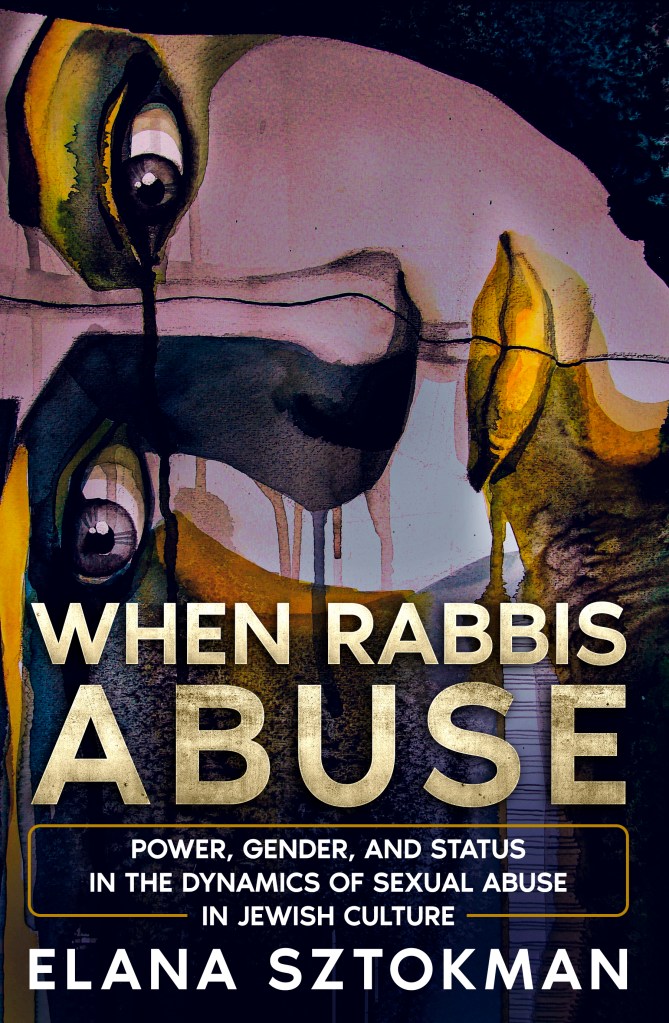


 Early in my training at my current job, my boss explained our agency’s position on social justice and intersectionality to me: “When we center the margins in our work, everybody gets served.” Framed differently: When we expand the circle of who can access service, be treated with dignity, and have their humanity affirmed by others, those already within the circle get served, respected, and affirmed as well. Nobody gets excluded. Everyone gets support. In our work, we recognize that all oppressions are interlinked, and that you cannot effectively advocate for the abolition of one form of oppression without working to end them all.
 I’ve been thinking a lot about abuse. Of course, most of us know about the domination, exploitation and need for control meted out by patriarchy, but I wonder if we have actually normalized many abuses? Abuse in the home, in the workplace, in our culture. Perhaps we accepted it unconsciously because so many of us are conditioned by religions that tell us to make noble sacrifice and tolerate suffering silently. I wonder if we’re calling it out when we see it – often and loudly – or if we’ve become conditioned to quietly accept the abuse with little push back.
 Feminism and Religion