Seeds of Hope: Part One by Beth Bartlett

Author’s Note: This piece was inspired by Janet Maika’i Rudolph’s wonderful FAR post of December 15th, 2022, “Ode to Seeds.”

“. . . I know, yes, there is renewal, /because this is what the seeds ask of us/ with their own songs/ when we listen to their small bundle of creation,/ of a future rising from the ground . . .” – Linda Hogan
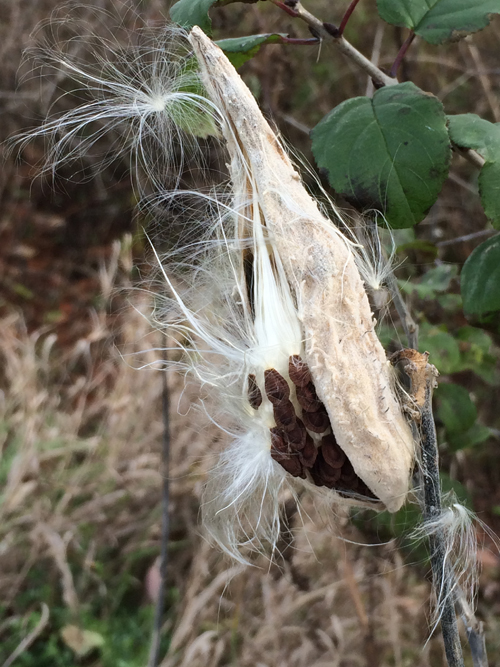
The first seed catalogs started arriving in the mail even before the turn of the new year.  In an annual ritual of hope, in the depths of winter we turn our thoughts and dreams to growing things – seeds of heirloom tomatoes, cucumbers, squash, carrots, and beans that will feed us and grace our tables in the summer and fall, and colorful marigolds, nasturtiums, and zinnias that will delight all summer long with their beauty. Is this the invincible summer of which Camus wrote?[i] 

Continue reading “Seeds of Hope: Part One by Beth Bartlett”
Ode to Seeds by Janet Maika’i Rudolph

“In this is all that is.” 

Julian of Norwich (while purportedly holding a seed in her hand) – 14th century

“Even if I knew that the world would end tomorrow,

I would plant an apple tree today.”

Martin Luther

Have you ever had bedbugs or lice? If not, you’re lucky. If so, you understand just how hard they are to get rid of. Why is that? Because they are essentially seeds with legs.

Seeds need to be able to travel in order to be successful spreaders of life. For example, when an acorn falls from an oak tree, it probably can’t germinate right where it falls. The mama tree has already taken up all the earth/soil space as well as the water sources for its own roots. And the mama tree’s own leafy branches will block out access to the sun. So the innate goal of the seed is to move to find a more friendly space. Evolution has created all sorts of ways for seeds to use motion in the service of finding their own place to germinate. In the case of the acorn, there are squirrels. Because they are a food source, many of the acorns get taken to dens under the earth. Many of those are not eaten. Either they are forgotten or the squirrel in question meets another demise. An acorn that is nestled in a den under the earth, can have a potentially perfect environment to sprout far from its origins.

Continue reading “Ode to Seeds by Janet Maika’i Rudolph”

Seeding up at the Turning By Sara Wright

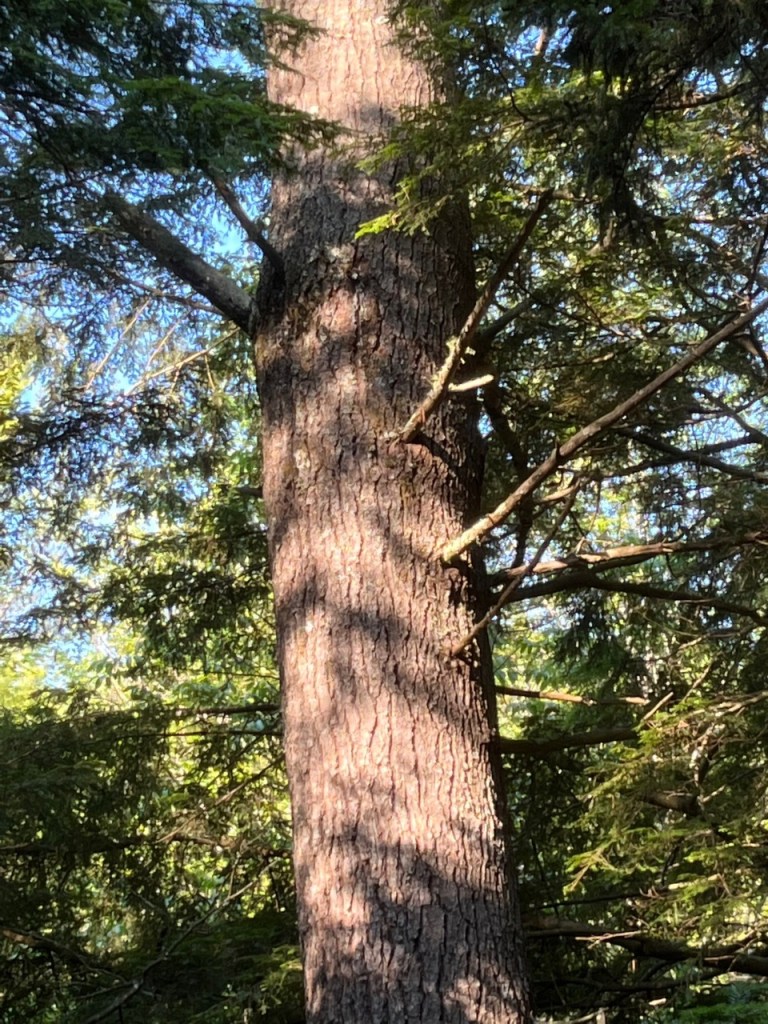
The forest is bursting with berries, blue lily beads are just one of a multitude of seeds…Astonishing pearl bells adorn mounds of shining wintergreen that shimmer across the forest floor. Soon those berries will blush, bead up, cry scarlet. Three leaved trillium wear peaked red caps. Deep orange bunchberry clusters surprise the unwary -who is expecting this bountiful feast on a woodland floor? Partridgeberry beads are lime green except for those from last year. Soon too these will be adorned in flaming berries that will last all winter… I’m waiting for the cucumber plants to show their colors. Lemon lime whirls catch the slightest breeze. Cattails, and milkweed pods are sending puffs of cotton on the wings of the slightest breeze. Bull frogs call from the rushes; fish intent on the next meal, break the surface of the beaver pond creating a ripple that spreads across the still waters circles upon circles widening into blue glass. Blue headed vireos, red eyed vireos and the hermit thrush sing from green bowers hidden from sight. Hemlock cones have dropped their black microscopic eyes under each parent carrying the knowledge that kin will look after their own. Acorns are dropping a bit too early; their caps still green, but some creature will have a feast, or the microbes will devour these seeds enriching the soil for next year’s sprouting.

Seeding up…. Thousands of years ago women began gathering forest bounty – always asking for permission they took only what they needed. That the forest will return the favor is a given – gratitude the exchange – Seed Saving is an ancient practice that women originally learned from dreams, animals, and the trees that were their neighbors. At that time all were kin….

This year I collect hemlock seeds, the beaked hazelnuts that edge the forest are ripening – almost ready to split…I rattle wild columbine spires releasing the seeds, collect salmon rose hips for a nourishing tea… scatter wild poppy seeds. I am still waiting for elderberry to grace the ditches with deep purple berries. The birds and I keep an eye on ripening clusters and share the bounty between us.

My cultivated garden takes care of itself these days…. Planting vegetables gives me no pleasure – too many years of work, giving to others – too much work that restricted my freedom to come and go. The forest floor is medicine now. Appreciation of every gift grieved or given never goes unnoticed…but it is the joy of watching each plant offer its prayer for the future that keeps me returning … home.

Continue reading “Seeding up at the Turning By Sara Wright”

Eden, Eve and a Tale of Seeds by Janet Maika’i Rudolph

Last month I wrote about the Garden of Eden. You can read it here:

In that post, I described how Eden is essentially a garden of treasures. What are those treasures? I believe that they are seeds, the most prolific and creative element for spreading life here on Earth. Below is my own fantastical story about the Garden and how the seeds came to reside there.

Sinuous and serpentine, Hawwah, Hayyat, Eve emerged from Apsû, carrying within her seeds, fertilized eggs, and all the fruitfulness and abundance therein. 

Continue reading “Eden, Eve and a Tale of Seeds by Janet Maika’i Rudolph”

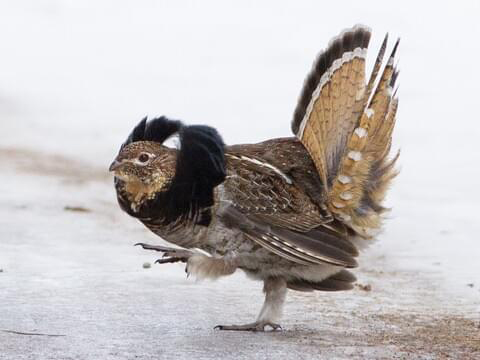
A Christmas Grouse by Sara Wright

I left seed for you.

A pomegranate too.

Would you come

Christmas day?

The veil was thin

last night.

This morning

 Madonna’ s

Feathered Body

Spoke.

When you ran across

the snow

I remembered

the song

from long ago…

Continue reading “A Christmas Grouse by Sara Wright”

Eve is the Hero of the Garden of Eden, Part 2 by Janet Maika’i Rudolph

The serpent in the Bible is treated as Eve’s partner in crime, a malevolent seducer who is responsible for humankind’s expulsion from paradise. But did you know there are serpents who figure positively in the Bible? There are serpent priests, a feathered serpent and a healing serpent. Check out this passage:

Be ye therefore wise as serpents

Matthew 10:16

Levites were serpent priests as evidenced by the etymology of their name. The root word levi is seen in the name of the creature “leviathan,” the giant serpent. This is reminiscent of the Pythia, the oracle from Delphi whose title is derived from the root word python.

The feathered serpent referenced in Isaiah 30:6 is a seraph, usually translated as a “fiery flying serpent.”

Continue reading “Eve is the Hero of the Garden of Eden, Part 2 by Janet Maika’i Rudolph”