 You are a poet and a seer. Say you are a V.I.P (very important poet; in the first century CE when I lived such a thing was possible). Because of your poetic prowess, your ability to go between the worlds and see into the heart of the matter, it has fallen upon you to seek a vision. Who will be the new leader of the tribe? Here is no simple matter of primogeniture. Here no ballots to be counted or stolen. No one has had to endure televised political conventions or candidate debates. It goes hardest for the sacrificial bull, who has been slaughtered and must be consumed—by you, sometimes raw, sometimes cooked, depending on local tradition. In either case, you consume the flesh and blood of the sacred bull. Then you are wrapped in its still-bloody hide. You fall into a trance, you dream….
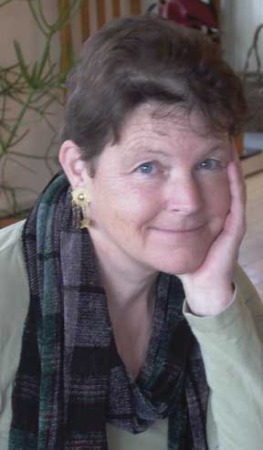
My name is Maeve (rhymes with brave). I came to be known as Mary Magdalen. (How that happened is a long and exciting story, but not the subject of today’s post.) I am taking Elizabeth’s place to make some commentary from my first century perspective as you twenty-first century Americans prepare to elect new leaders. (You hope you will be electing them. I’d trust poets in bloody bull hides over electronic voting machines any day.) The rite described above, called the tarbhfleis or bull-sleep, was used to select the kings of Tara. The Celts counted wealth in cattle, so the bull was revered. The Gallic god Esus (as the druids called Jesus) was associated with the sacrificial bull. The infamous Queen Maeve of Connacht (for whom I am named), that champion of women’s sovereignty, went to war over a bull that defected from her herds to her husband’s. People said that the bull did not want to be ruled by a woman. Those were fighting words for Queen Maeve. Continue reading “Maeve (aka the Celtic Mary Magdalen) on Elections, transcribed by Elizabeth Cunningham”


 When the press began using I.S.I.S. as a perhaps inaccurate and now obsolete acronym for the Islamic State of Iraq and Syria, diverse groups made a connection with the Egyptian goddess who was once worshiped all over the Greco- Roman empire. A pagan organization protested the appropriation of the goddess’s name. Others took it as a sign that the self-declared Islamic State represented the anti-Christ or confirmed a conspiracy by the Illuminati. (Divinity of any kind seems to attract human projection.)
 Feminism and Religion