


We may all remember 2020 as the year when we could no longer look away from death. Our western culture has hidden death away in hospitals and funeral homes for generations. However, in these past months we have all been inundated with daily images of COVID-19 patients dying alone in ICUs, terrified people and wildlife consumed by flames or flood, televised funerals of victims of racial violence, children starving due to droughts, the loss of icons of courage and compassion like Ruth Bader Ginsburg, Elijah Cummings, and John Lewis, and so much more. Even as we seem to be surrounded by death, we risk being inured to its tragedy by the sheer numbers of dead from these and other causes.
How we survive this time as individuals and a society may depend in part on how we are able to answer the question “Were we able to mourn each life lost – human or non-human — as a sacred being, unique and irreplaceable? Did we ignore the suffering of others or did we find deeper compassion?”
Continue reading “Mourning with the Goddesses, Now More than Ever by Carolyn Lee Boyd”
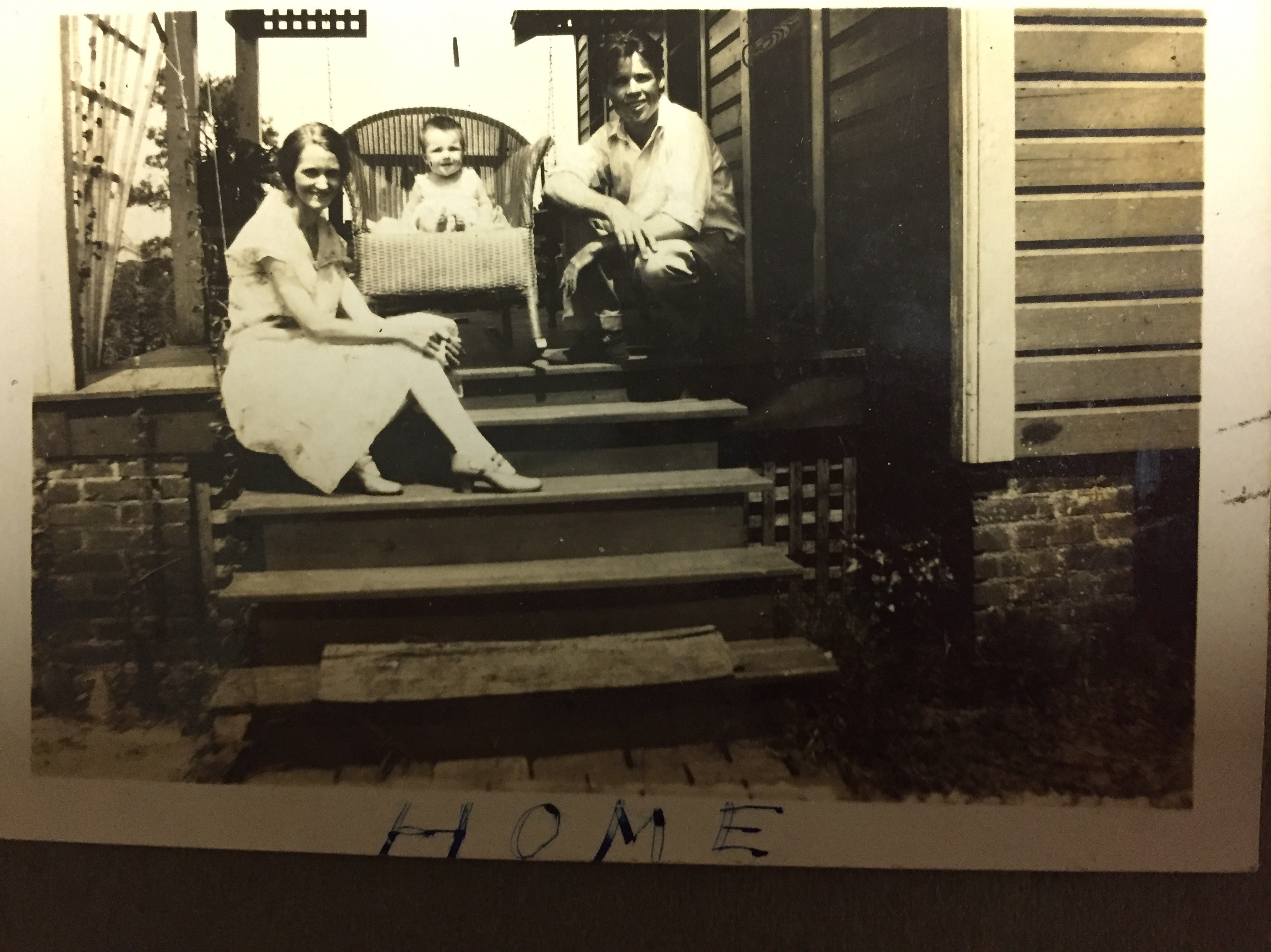 In 1929, my grandmother wrote the word “HOME” in resounding letters across the bottom of a photo of a herself and my grandfather, smiling lovingly and confidently, with my infant mother propped in between them on a rattan chair.
 For millennia, humans have told stories of goddesses who have decreed that, because terrible crimes have been committed against their female loved ones or those under their protection, our world would become a desolate wasteland. They withdrew their spiritual power that made life possible so that no fruits or vegetables would grow to nourish us or no sunlight would warm our bodies. Only when justice was done did these goddesses heal the wasteland so human life could continue.
 In my garden blooming with native wildflowers, in nearby rivers and woods, across the New England landscape, the Earth is healing Herself. Two centuries ago, New England’s forests had been cleared for farms; myriad species of animals, birds, fish, and plants had disappeared; the network of waterways had been dammed to make power for mills.
 Imagine that you live in a society where people like the bloggers and readers of FAR — activists, academic, writers, and others who speak up for human rights — are persecuted, imprisoned, tortured, and killed. You have finally escaped with nothing but your life to the US, only to be thrown again into prison or end up sleeping on the street homeless. Behind the endless tirades in the media and around dinner tables about America’s system of vetting and settling, or rejecting, refugees and asylum seekers, are real women and men who had the courage, wisdom and commitment to stand up for human rights as protestors, lawyers, health educators or journalists only to find themselves treated as criminals or unworthy of having basic needs met here also.
 Feminism and Religion