Living by an Ethic of Love by Elise M. Edwards

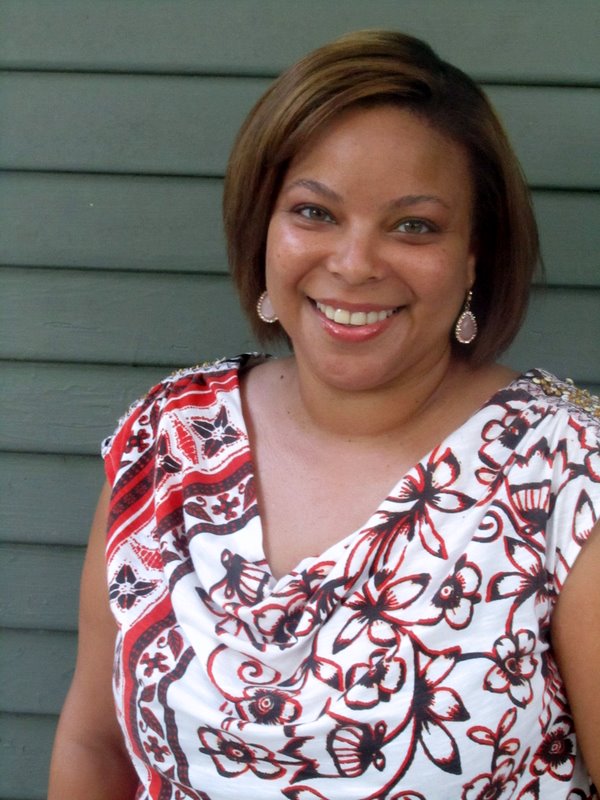
Elise EdwardsIf we base our love ethic in the love of God, we will be committed to the presuppositions that everyone has the right to be free and to live fully and well. We will not try to deny others access to safety, food, shelter, and companionship, nor prevent them from obtaining opportunities for growth and outlets for self-expression because of their gender, sexual orientation, race, ethnicity, class or cost to ourselves.

I enjoy Valentine’s Day, and this has been the case for many years, whether I have been in a relationship or not.  I think romantic love needs to be celebrated, even if it is at the urging of greeting card companies, chocolatiers, florists and jewelers.  Of course, those of us who are even the least bit critical of consumerism and media propaganda will acknowledge that these companies try to convince us that we need to buy luxury items to demonstrate our love to the important individuals in our lives.  When our consumption of these goods hurts other people in our world and our planet (as in the consumption of blood diamonds or flowers that have been flown around the world, and thus contributing to environmental ills), we must recognize that they are not true reflections of love.   This is not to say that the intent of the giver or recipient is untrue.  I do want to challenge the predominance of these kinds of images of love, and provoke us to reflect on another way – an ethic of love rooted in the love of God. Continue reading “Living by an Ethic of Love by Elise M. Edwards”
Cancel Christmas? By Elise M. Edwards

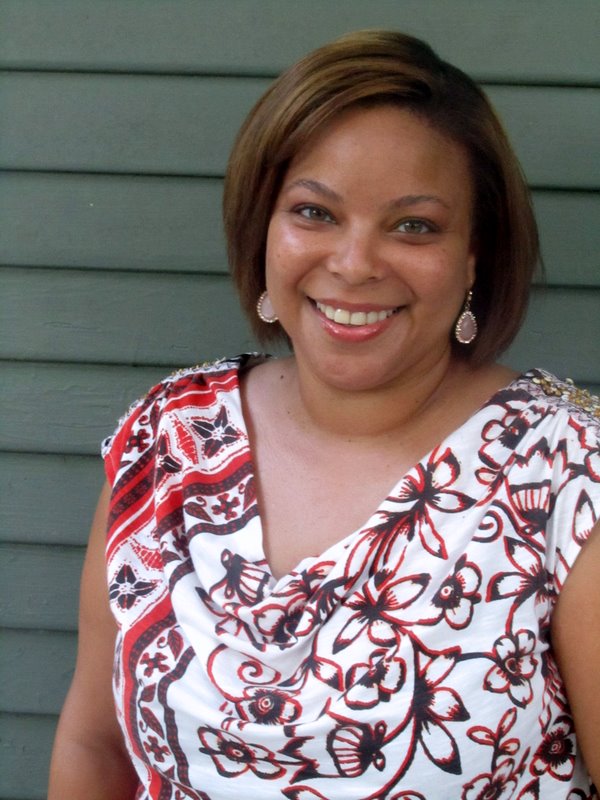
Elise EdwardsDespite the time and energy it takes to participate in the religious and social rituals associated with Christmas, the result is that I am spiritually grounded, emotionally provoked, mentally rested, and physically fed.   Advent, Christmas, New Year’s, and the last week of the year are times when I reconnect to what is important to me, and the holiday rituals help me do this.

The “holiday season” is upon us, and I’m still busy and exhausted, as I’m sure many of you are.  Although my life isn’t as stressful as it was in October, I am still juggling multiple commitments while trying to make significant progress on my dissertation.  This past weekend, I spent some time with other dissertation writers in the same predicament, and quite a few of them were thinking of cancelling Christmas in their households in response.

My immediate reaction to canceling Christmas (or another alternative they mentioned, micro-Christmas) was to inwardly scream “THAT’S RIDICULOUS!!!!”  To be honest, I’m not sure my facial expression didn’t make my reaction plain.  But since I value my relationships with these people and I genuinely respect their insights, I decided to keep my reaction to myself and to give the matter more thought.  I realized later on that all of the “cancel Christmas” advocates were women.  So I began to consider what the implications of cancelling Christmas would be for women. Continue reading “Cancel Christmas? By Elise M. Edwards”

Exposure by Elise M. Edwards

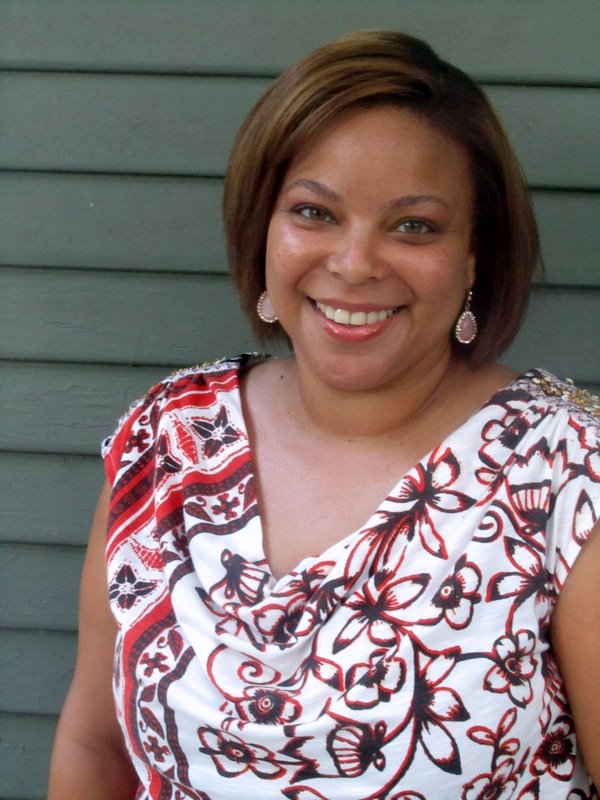
Before I feared too much disclosure, but now I seek to channel revelations of personal experiences into exercises that inform the moral and intellectual agency of everyone in the classroom, including me.

I have always been a bit nervous when people share personal experiences in non-intimate settings.  For the past several years, I’ve been in an academic environment where people routinely discuss and reflect upon significant life events.  There were times that I was very uncomfortable listening to classmates discuss abortions, first sexual experiences, and encounters with racism.  Even though they did not use graphic or disturbing language, I questioned the appropriateness of sharing intimate details of one’s life in a classroom.

So when I was preparing to teach my own course on Christian Ethics, I was careful to define a course policy that related to sharing and participation.  In part, it reads: “While students are encouraged to use the course material to reflect on their own experiences and develop their own theological-ethical perspectives, sharing intensely personal reflections is not required  – in fact, it is discouraged to maintain the professional atmosphere of the classroom.“  In class, we discuss conceptions of God and religious faith as they are applied to complex issues like sexuality, racial reconciliation, war, and medicine.  The potential for conflict and personal attack is always present in the classroom because we often have deep commitments and personal beliefs on these issues, so I wanted to curb the amount of personal reflection that occurs in the corporate setting.

Over the course of the semester, though, my perceptions have changed due to well-written memoirs and personal statements I have read recently, the profound statements my students have shared, and the teaching philosophy I am developing.  Whereas before, I feared too much disclosure, now I seek to channel revelations of personal experiences into exercises that inform the moral and intellectual agency of everyone in the classroom, including me. Continue reading “Exposure by Elise M. Edwards”

I’m Tired by Elise M. Edwards

Ms. Mentor warned me that October would be tough.

A few weeks ago, I was walking through the library, looking up books on women and pedagogy, when I saw a newer version of a book I’d seen on my sister’s bookshelf: Ms. Mentor’s Impeccable Advice for Women in Academia.  The newer version, appropriately titled Ms. Mentor’s New and Ever More Impeccable Advice for Women and Men in Academia, jumped into my stack of books and invited  me to take it home where I read it during the wee hours of the night instead of doing something more “productive.” I’ve always been a fan of advice columns, so I was delighted to find that this book features several advice letters organized in chapters on various topics about work and life in the academy.  On page 112, I came across a piece called “My Head is Exploding.” It spoke to me. Continue reading “I’m Tired by Elise M. Edwards”

Working to Bring about the End by Elise M. Edwards

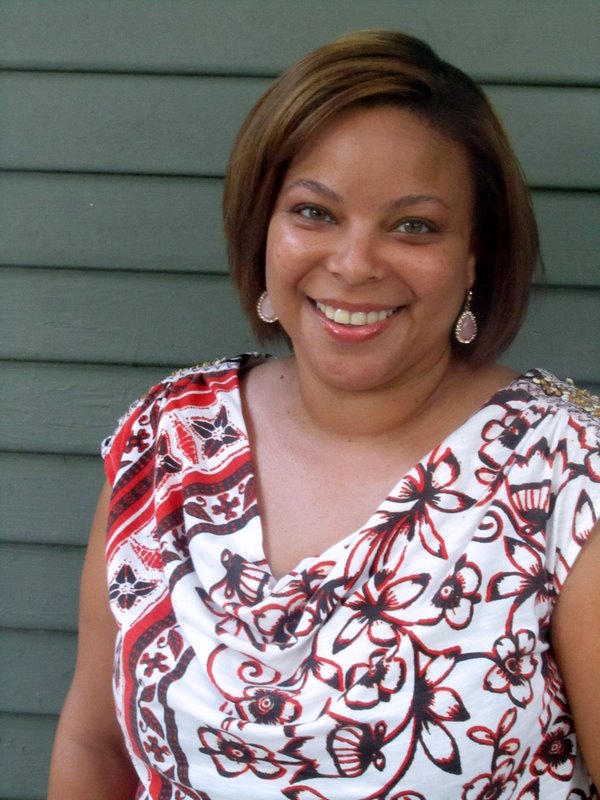
I was reminded that the idea of eschatological reversal can be a powerful image in the promotion of justice if we believe that we already are, or that we should be moving towards the ultimate end that remedies current injustices.

I started teaching a course in Introduction to Christian Ethics a couple weeks ago for a class of graduate students who are pursuing their M.Div. and other Masters in religion degrees.  We are spending some time talking about the use of Scripture in ethics, so I reviewed Richard Hays’ 1996 text The Moral Vision of the New Testament: A Contemporary Introduction to New Testament Ethics.  It got me thinking a lot about the role of eschatology in ethics. (Eschatology is the area of theology concerned with “last things,” like the end of the world, heaven, hell, death and eternal judgment.)

Continue reading “Working to Bring about the End by Elise M. Edwards”

The Original Art by Elise M. Edwards

Storytelling is the original art as the desire to communicate is a common thread of all the other arts. I started reflecting on the stories – through various mediums–that have shaped me, and I wanted to use my post today to honor the herstories, the narratives of the women that have been meaningful to me.

On Tuesday night, I attended a gathering of storytellers.  I sat with two of my friends and listened to professionals and amateurs alike share stories.  The stories they told presented a range of narratives from Danish folktales to improvised children’s stories.  I was both horrified and enchanted by the content of their works.  While one story was a particularly violent tale of retribution and “justice,” another seemed to offer lessons about cooperation.

I thought about sharing a story of my own, but I didn’t feel prepared.  By the end of the evening, I was aware of the irony of my reluctance to share.  I was afraid I was not a good enough storyteller, yet I’d spent a good part of the previous two weeks traveling and catching up with old and new friends, which certainly involved animated retellings of the events going on in my life. Continue reading “The Original Art by Elise M. Edwards”

Re-creating the World by Elise Edwards

All of us have the same creative power as artists to contribute to the world in our own domains. When we do so, we re-create the world and participate in its ongoing creation.

For years, my friend Lisa Cole Smith has been working with artists and thinking about their important role in the world.  She has been building a community to support artists and other creative people through a Christian church in the Northern Virginia/Washington DC area and at times, I’ve been fortunate enough to participate in that effort.  My conversations with Lisa are always rewarding, whether we are simply catching up as friends, giving each other encouragement for our work, or discussing theological concepts.  Although she works in a church and I work in an academic setting, we have similar pursuits. Continue reading “Re-creating the World by Elise Edwards”

Back to Beginnings by Elise M. Edwards

I wasn’t reading it to find out about the origins of the earth in the way the big bang theory explains it.  I was reading it to find out what an ancient people thought about the connection between God, the heavens and the earth, and all the creatures and creations in between.

For years, I’ve been fascinated by creation myths.  Yet as a feminist, I was taught to be suspicious of the biblical creation myths in Genesis.  The creation of man from dust and the subsequent creation of woman from his rib have often been interpreted to support claims about women’s inferiority to men.  And obviously, the accounts of Eve and the serpent and her role in “tempting” Adam have been used to justify claims of women’s susceptibility to evil and their wanton natures which lead men astray.

So it was a bit of relief when in my first weeks of study in seminary, my Hebrew Bible professor pointed out that there are two creation myths in the opening chapters of Genesis.   I was relieved because Chapter 1 and the first few verses of chapter 2 told a creation story I enjoyed reading.  Continue reading “Back to Beginnings by Elise M. Edwards”

When Music Touches Your Soul by Elise Edwards

It’s incredibly liberating to have the co-mingled sensation of being elevated by aesthetic delight, affirmed by words that reflect the life experiences of you and your loved ones, and honored by another’s desire to relate to you.  This type of liberation is spiritual.

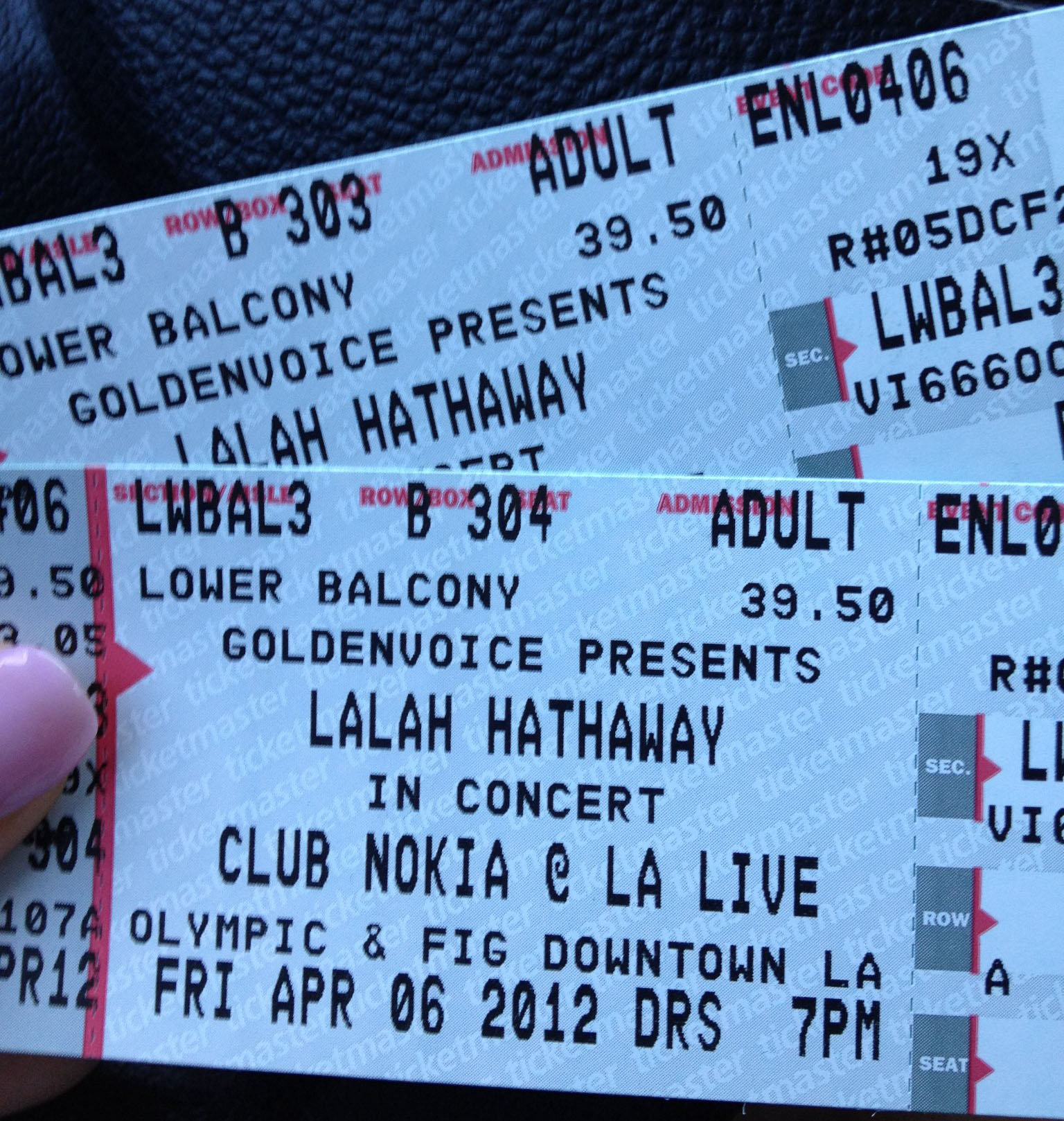
Last month, I attended a Lalah Hathaway concert, the first live concert I think I’ve attended in about a year.  For those of you who don’t know, Lalah Hathaway is an R&B singer and daughter of the late Donny Hathaway.  It was my first time hearing her perform and the audience’s response to her artistry sparked some thoughts in my mind about authenticity, soul, and participation in the black church.

I should probably admit that my favorite genre of music is R&B/soul because of what its name suggests – the ability of the music to connect to the innermost parts of my being, the spirit inside of me that recognizes what is true.  Whether they are speaking about joy or pain, love or loss, soul singers have a way of making me feel the authenticity of their souls conveyed through their music and lyrics.  Because I agree with the feminist principle that the personal is political, I believe that feminists must take the time to recognize what is personally true for them and what is most real.  This is so that feminists’ energies directed toward making the world a more just place can be sustained during times of struggle, and maintained with integrity, regardless of what sphere they’re located within.  Soul music helps me remember who I am. Continue reading “When Music Touches Your Soul by Elise Edwards”

My Feminist Perspective of Authority – Part 2 by Elise M. Edwards

My understanding of authority differs from that of the academy in that I have defined for myself a sense of ultimate purpose that those in power in the institution do not have authority to deny. It also differs because I believe my authority is conditioned in particular ways. Yet I think that ultimately my conception of authority fits the paradigm of mentorship that the academy establishes, even though I may be more guarded about my work and my choice of mentors. My “her-story” gives me the courage to proceed, even as I protect myself and my work.

In a previous post, I discussed insights on power and authority from a student’s perspective that I shared at a workshop on Living Texts: Celebrating Feminist Perspective and Theo/alogy, Authority, and the Sacred in the Academy. The workshop was a gathering where women scholars in religion discussed the challenges and promises of our voices in the academy. The dialogue was so inspiring to me that I decided tocontinue it here. Today, I reflect on these two questions:

  • Does my understanding of authority differ from that of the academy?
  • How do you situate my “her-story” in light of a largely patriarchal perception of authority in the academy?

Previously, I asserted that there is a critical distinction between power and authority. Authority is a personal characteristic based on a relationship of trust between me and a text, a person, or their work. Power, on the other hand, is operative with or without trust. Therefore, the people who have authority in my academic work are those whose supportive words provide direction and assistance, and whose criticism I take seriously.

My understanding of authority differs from that of the academy in that I have defined for myself a sense of ultimate purpose that those in power in the institution do not have authority to deny. Continue reading “My Feminist Perspective of Authority – Part 2 by Elise M. Edwards”