Sexuality is a complex topic that blends the personal with the collective and the mundane with the sacred. We often engage with it privately, yet it is intertwined with broader cultural values and beliefs. This makes navigating sexual fantasies a delicate balance of desire, respect and consent.
In today’s world, especially with movements like #MeToo gaining traction, there’s a heightened awareness around the importance of boundaries—both physical and psychological—in the realm of sex and fantasy.
This post explores how we can engage with sexual energy in ways that respects both our own and other’s integrity, that don’t “steal” from others, nor diminish ourselves.
It starts with the power of consent in fantasies, discusses 4 steps to navigate desire without acting on it, and introduces the possibility of archetypal fantasies.
But what if there was a space for the danger of dragon-ing? What if society expected it, welcomed it, and made room for our, women’s, subsequent growth? It might still be hard and risky, as is all growth and change. But as I believe Barnhill is trying to suggest, it might also be less traumatic, less splitting, and give us so much more space to be.
Knowing that I like dragons and feminism, a friend of mine recently recommended the book, When Women Were Dragons (2022) by Kelly Barnhill. I have been reading it (okay listening to it on audiobook, but that counts right?) all week. The premise of the book is that women dragon, as an act, and can do so by choice or spontaneously; and in the “Mass Dragon-ing of 1955” over 600,000 women flew away from American homes, “wives and mothers all” (Barnhill, 2022). But despite the destruction, eaten husbands and bosses, and destroyed homes that dragons leave in their wake, society, the government, and individual families do everything they can to forget it happened. The history is repressed. Individual memory is policed and repressed. The dragon-ing goes on.
Beginning this book the week before Mother’s Day, I found the recommendation timely, or even fateful, because with every chapter and hour that I listen, I find myself thinking of my mother. And I wonder if or when she would have dragon-ed if given the chance.
This post contains spoilers on the Game of Thrones series
For many, this past week saw the MASSIVE HBO hit, Game of Thrones, air its last episode. Thousands were left unsatisfied with the ending and even the entire last season. There was an online petition signed by over 1 million people demanding a season rewrite/reshoot. I have seen on countless social media accounts the amount of people seemingly bereft now that the show is over. I have also seen other shows and tv channels banking on people searching for a new show to immerse themselves in. So why, Game of Thrones? And what will replace it now that it is over?
Cosplay is often a deliberate, interpretive and self-chosen performance of gender and power. Like drag performers, cosplayers put on a show of the characters they represent; and in my experience, they often do so within diverse, supportive and principally, inclusive communities.
This week my husband sent me a great blog post he found about cosplay and one woman’s determination that she would no longer tolerate being demeaned, objectified or trivialized because of what she chooses to wear. Blogger Megan Marie’s post, entitled “What would you do if you weren’t afraid,” inspires me. She points out and refuses the trappings of rape culture: victim blaming, assumed male control over female sexuality and shame; and claims her right to be who she is. I, as fellow (what is the female equivalent for fellow???) cosplayer, was also moved by her defense of this creative art. I have been cosplaying a long time, but I have been too afraid to speak much about this or to directly protest the rejection of these fantasy images within some feminist communities. So to answer Megan Marie’s question* in her own words, “What would you do if you weren’t afraid? My answer. I’d write this blog.”
Coplay = costume + play! It is the recreation of popular characters from video games, comic books, anime, scifi series, fantasy literature or the like. Cosplayers do this for the fun of it, the craft involved, to express one’s fandom and sometimes, professionally, usually within an arena where fans can enjoy one another’s recreations. The attempt to embody these characters involves a great deal of work and artistic expression. Many conventions, like Fanime Con in San Jose, CA, host panels in which fans can learn cosplay skills, such as armor construction, wig making and costume design. I have cosplayed the following characters: Sailor Star Healer, Eudial and Sailor Iron Mouse from the anime Sailor Moon, Misa
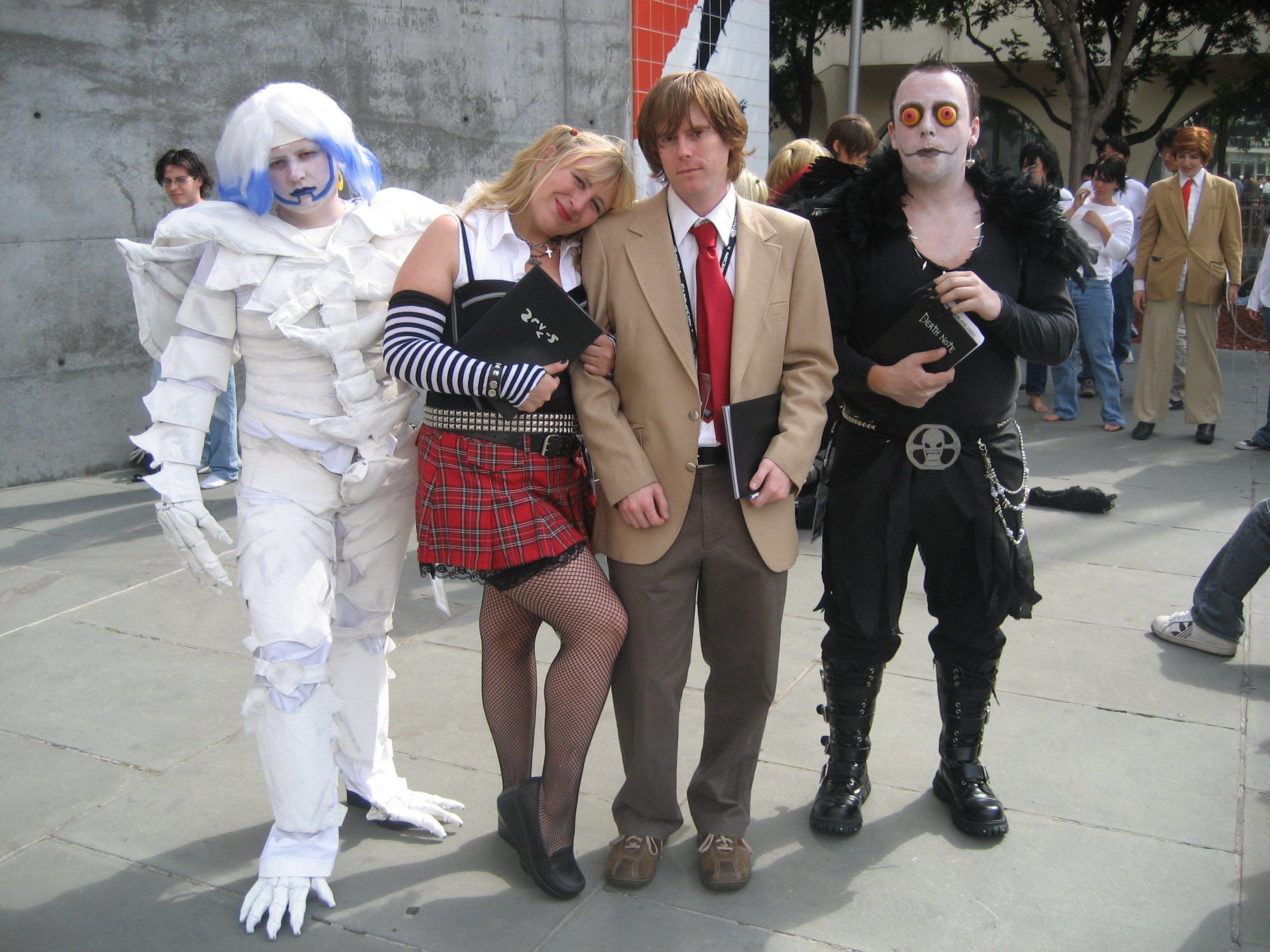
Death Note Cosplay: Misa and Light are in the center, flanked by their respective “Shinigami,” or the death gods they are working with
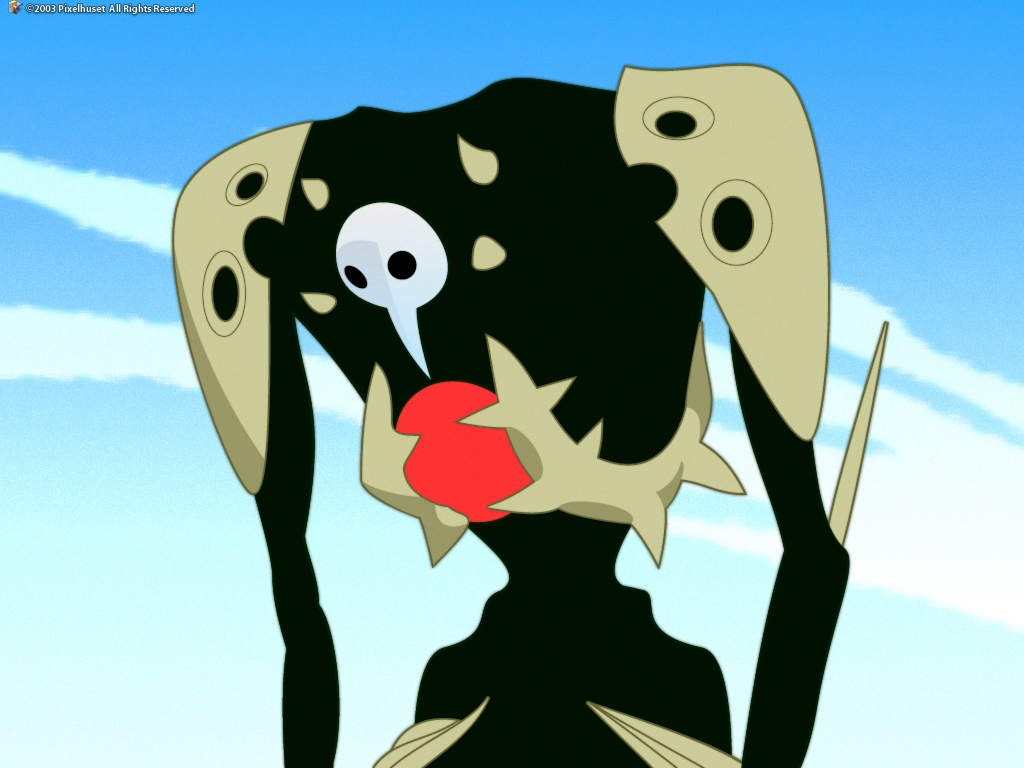
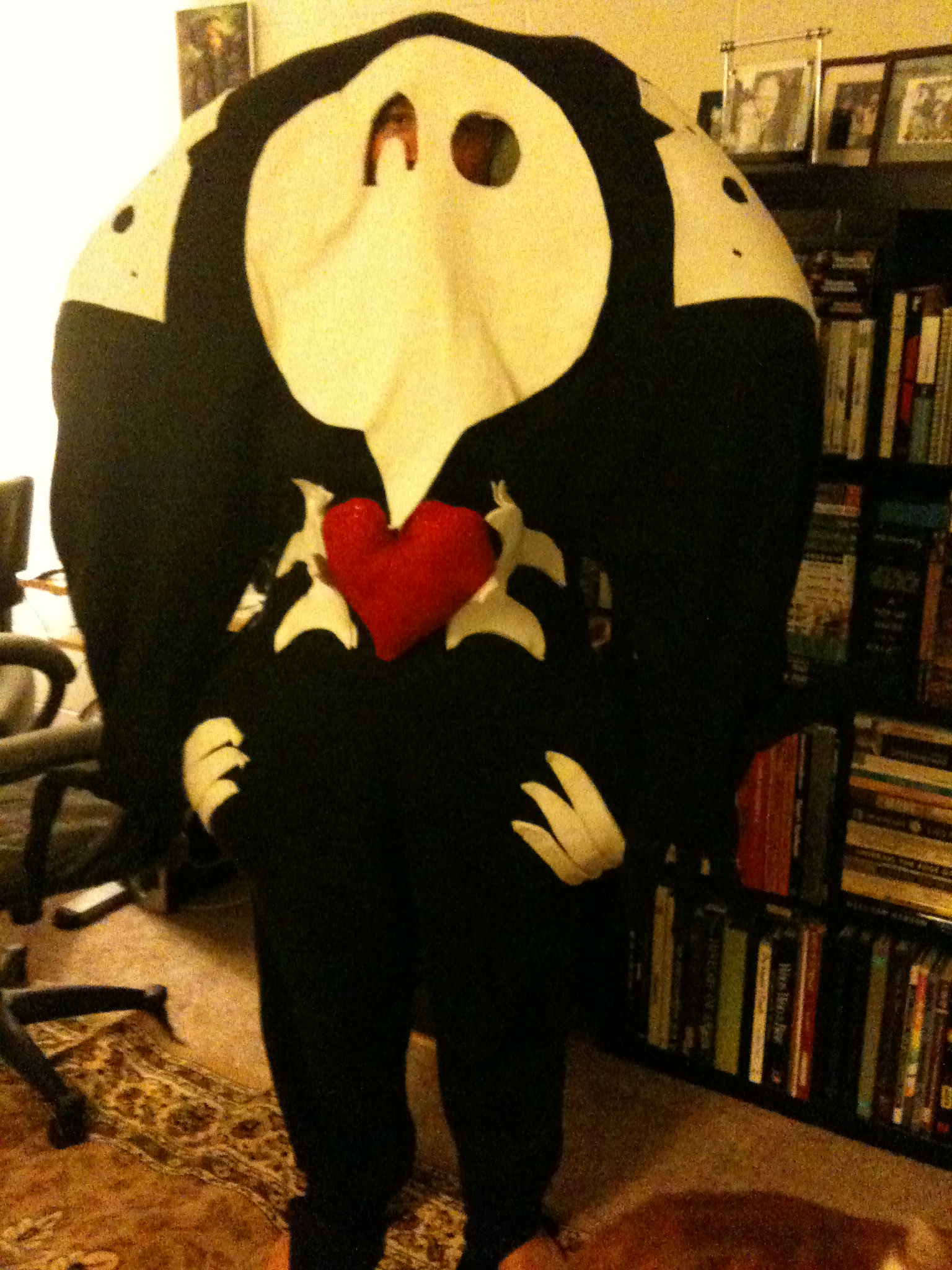
Sachiel from Neon Genesis Evangelion: I am trying on my almost finished costume here!
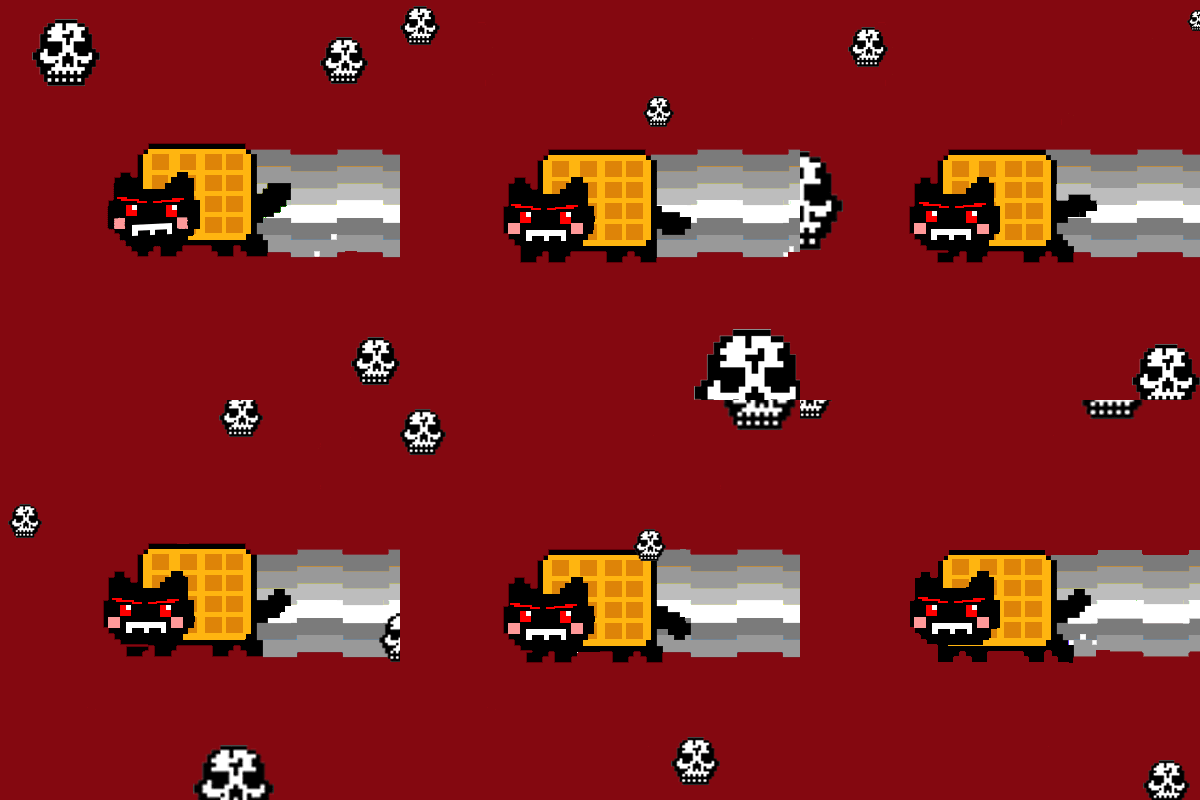
I am currently planning a to make a Metroid out of an umbrella and to cosplay Nyan-kitty at the May conference that my husband (who will be playing Tac-nyan), my sister and many of my friends attend.



 For many, this past week saw the MASSIVE HBO hit, Game of Thrones, air its last episode. Thousands were left unsatisfied with the ending and even the entire last season. There was an
 Feminism and Religion