Saved by the Sea by Laura Shannon

This is the story of an improbable rescue. 
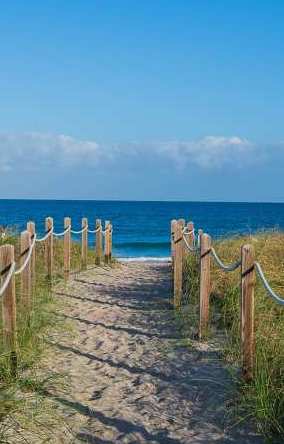

Delray Beach footpath. Photo: Public domain

The outcome of the US election was not the one I had hoped for or voted for. I know I’m not alone in this, nor am I alone in experiencing sudden strong emotional reactions in response to the acts of this new administration. 

For survivors of sexual abuse and sexual assault (officially 44% of adult women in the U.S., though habitual underreporting means this figure is probably much higher), it has been terrifying to see more and more men in positions of power who show no remorse for misogyny and abusive behaviour. This empowers others to behave badly, with an obvious sense of entitlement and impunity. 

The atmosphere of unchecked threat makes it harder for survivors to speak up for ourselves and others when any imbalance of power rears its head. Yet at the same time, it is ever more crucial that we do speak up. Many survivors find their chronic PTSD is triggered more frequently, while feeling even less able to respond with adult capability when a crisis strikes. This horrible paradox can quickly set off the paralysing cycle of diminishing self-esteem and increasing helplessness which survivors know only too well.

Continue reading “Saved by the Sea by Laura Shannon”
Thirst for Knowledge, Thirst for Rain: Women’s Seeds and Symbols in Southern Morocco by Laura Shannon

Last week, once again, I had the good fortune to bring a small group of dancing friends to southern Morocco. As always, our travels there unfolded in a blessed and beautiful way, rich in experiences of ancient Berber/Amazigh culture and encounters with local women.

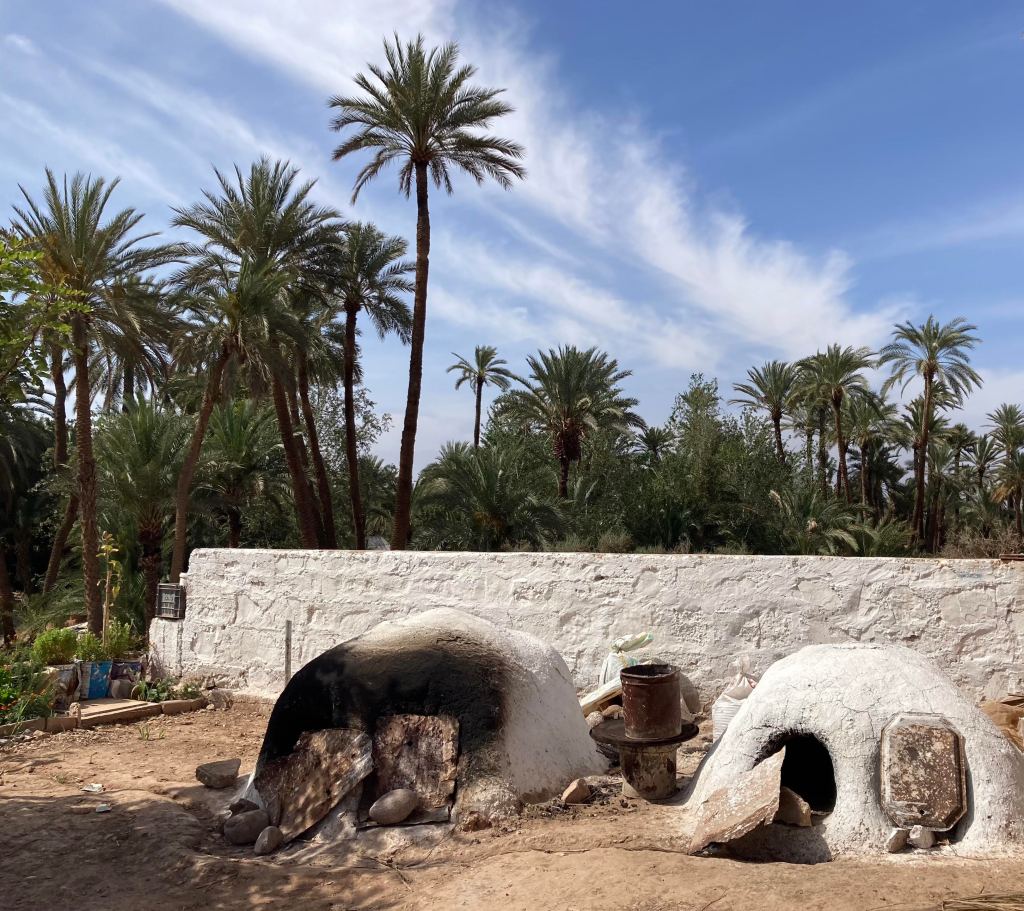
At Tioute oasis in the foothills of the Anti-Atlas mountains, we bought unleavened flatbread baked in rounded clay ovens. 

Bread ovens at Tioute oasis, southern Morocco. Photo: Laura Shannon
Continue reading “Thirst for Knowledge, Thirst for Rain: Women’s Seeds and Symbols in Southern Morocco by Laura Shannon”

Snake Priestesses of Crete as Earthquake Oracles? by Laura Shannon

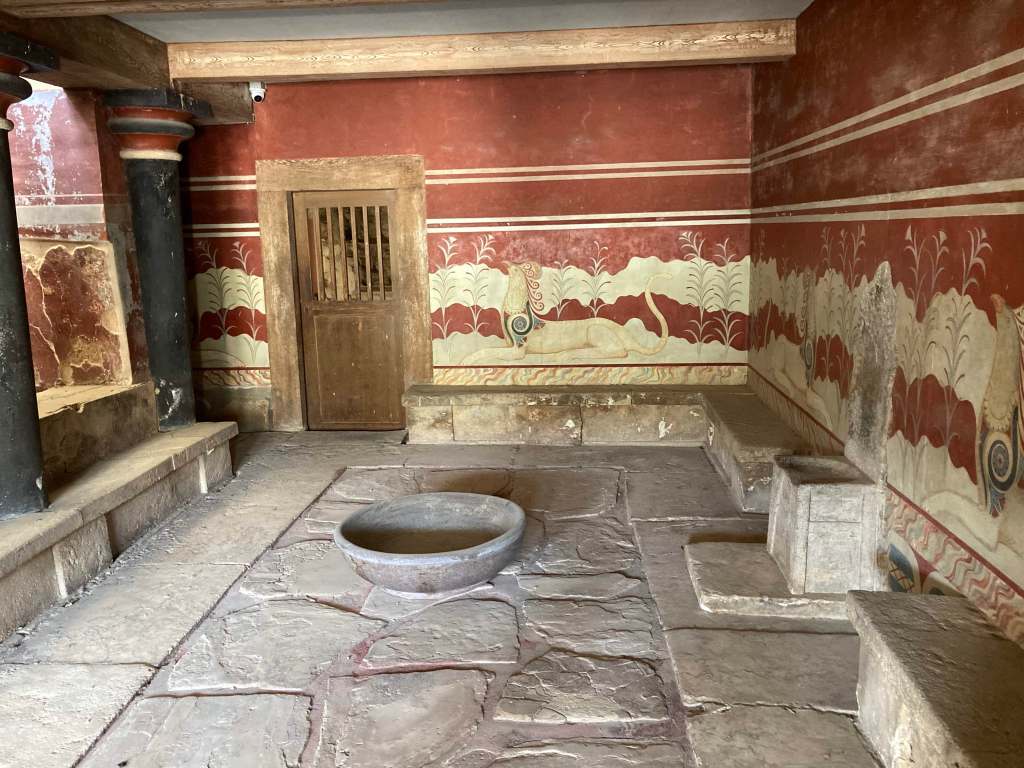
Knossos Throne Room showing edge of lustral basin at left. Photo: Laura Shannon

A few weeks ago I was on Crete, having coffee with an archaeologist friend. She happened to mention something strange. Crete has always been a seismic zone, with lots of earthquakes, yet remarkably, in Minoan times, no one was killed in collapsing buildings; they were never taken by surprise. 

We pondered this – it seems astounding. They must have had some means of warning. Perhaps the serpents sacred to them could have given them some sign? 

Continue reading “Snake Priestesses of Crete as Earthquake Oracles? by Laura Shannon”

Carol P. Christ and the Pilgrimage to the Goddess: Online Memorial Gathering, December 20, 2023

Dear FAR community,

Two and a half years ago, our beloved friend and mentor Carol P. Christ passed to the realm of the ancestors. It’s been wonderful to read her archive posts every week as well as so many posts remembering and referencing her brilliant work. The FAR community was so important to her: as Carol herself pointed out, she not only offered her own posts each Monday, she also read and responded to every post, every day. I also cherish the daily connection to our FAR ‘family’, and find profound comfort for the loss of such a tremendous presence through this daily connection with others who knew her and miss her as as I do.

Continue reading “Carol P. Christ and the Pilgrimage to the Goddess: Online Memorial Gathering, December 20, 2023”

My Pilgrimage to Crete – September 2023, Part 2 by Terry Folks

Part 1 was posted yesterday.

Stage Four – Mentor Appears

Joseph Campbell spoke of ‘mentors’ appearing to help the sojourner, and what Maureen Murdock called the gathering of allies. In my hybrid of these two archetypal journeys, there may be several mentors – human, power animals, divine guides or a combination. She could be a wise elder who helps the heroine prepare for the journey or gives her a gift for later use. In my case the wise elder was my 93 year old mom who became one of my mentors. When I expressed my excitement and fears, she said what she always says when I – one of her seven children – am facing a challenge: “Go get’em Tiger!” She also offered financial support so I could take time away from my psychotherapy practice.

Two other mentors showed up in what Carl Jung called my ‘active imagination’: Carol Christ and Marija Gimbutas. Both have transitioned so my active imagination conjured their support as divine intervention. I reread Carol’s reflections and teachings on the pilgrimage, and watched the videos she made as inspiration. I felt her invitation. I was ready to change.

Continue reading “My Pilgrimage to Crete – September 2023, Part 2 by Terry Folks”

My Pilgrimage to Crete – September 2023, Part 1 by Terry Folks

Carol Christ’s Legacy honored by Laura Shannon, and the Ariadne Institute

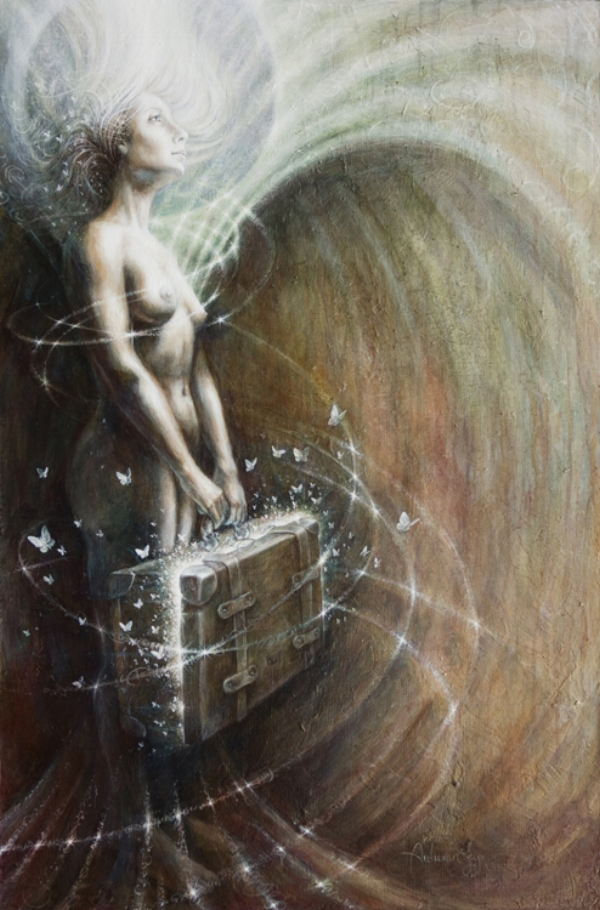
Adventure by Autumn Skye with permission of artist

When I teach the Heroine’s Journey in my Sophia Women’s Wisdom Group, I draw on Joseph Campbell’s idea of the mono-myth, an archetypal story that resonates with every human across time: The Hero’s Journey. I combine Campbell’s ideas with pieces of feminist Maureen Murdock’s heroine’s journey to recognize the unique pathway of the feminine. I call this my hybrid heroic journey. If you are not familiar with Maureen Murdock’s work, I invite you to see how she brought her feminist eye to Campbell’s iconic Hero’s Journey in her book The Heroine’s Journey: Woman’s Quest for Wholeness. After her conversation with Joseph Campbell six years prior to his transition, Murdock felt he missed “that the focus of female spiritual development was to heal the internal split between woman and her feminine nature” (p. 2). In my hybrid heroic journey, that split in the early stages is internalized negative masculinity. The rejection of our feminine nature may appear differently in each woman’s life but it is often characterized by treating ourselves how we imagine men perceive us.

My recent Pilgrimage to Crete was astonishing; my epiphany, gradual. As I share my adventure, imagine stages of your own heroine’s journey wherever you are in that cycle. I hope that by sharing this series, you will experience a real life example of Dion Fortune’s definition of magic: ‘The art of changing consciousness at will’. Starhawk, Truth or Dare, 1988.

Continue reading “My Pilgrimage to Crete – September 2023, Part 1 by Terry Folks”

Crete as the cradle of a culture of peace – Part Two by Laura Shannon

Part One of this article spoke of our collective yearning for peace, and the difficulty of imagining a peaceful world when we are taught to believe that “patriarchy and with it war and domination are universal and inevitable.” (Carol Christ, 2015)

But this is a myth. The peaceful civilisation of Bronze Age Crete lasted two thousand years with no sign of violence, slavery, or war. Most likely matriarchal, matrifocal, and matrilineal, ancient Crete embodied the final flowering of Old Europe. Art and archaeology reveal a life-loving people who honoured the earth, the Goddess, and nature, particularly mountains, caves, and trees. Key values and symbols of this culture of peace survive today in Cretan women’s dances and folk arts including pottery, textiles, baskets, and bread.

Continue reading “Crete as the cradle of a culture of peace – Part Two by Laura Shannon”

Crete is the Cradle of a Culture of Peace – Part One by Laura Shannon

These are difficult days. We awaken daily to the ongoing horror of senseless killing. My heart is filled with a yearning for peace. Now is the time to dream of peace, to choose peace, to practice peace – within our selves, with those we love, in our communities and in our world.

But what might a peaceful world look like? It can be hard to even imagine – not only because we live in a world filled with war, but because we have been taught to believe, as Carol Christ explains, that “patriarchy and with it war and domination are universal and inevitable.” However, she goes on, “this is a myth perpetrated by those who do not want to give up the power and privilege the patriarchal system has accorded to them.” War is not inevitable. Peace is possible.

Continue reading “Crete is the Cradle of a Culture of Peace – Part One by Laura Shannon”

HONEY SELLERS by Kapka Kassabova with Intro by Laura Shannon

Introduction to Kapka Kassabova’s ‘Honey Sellers‘, by Laura Shannon

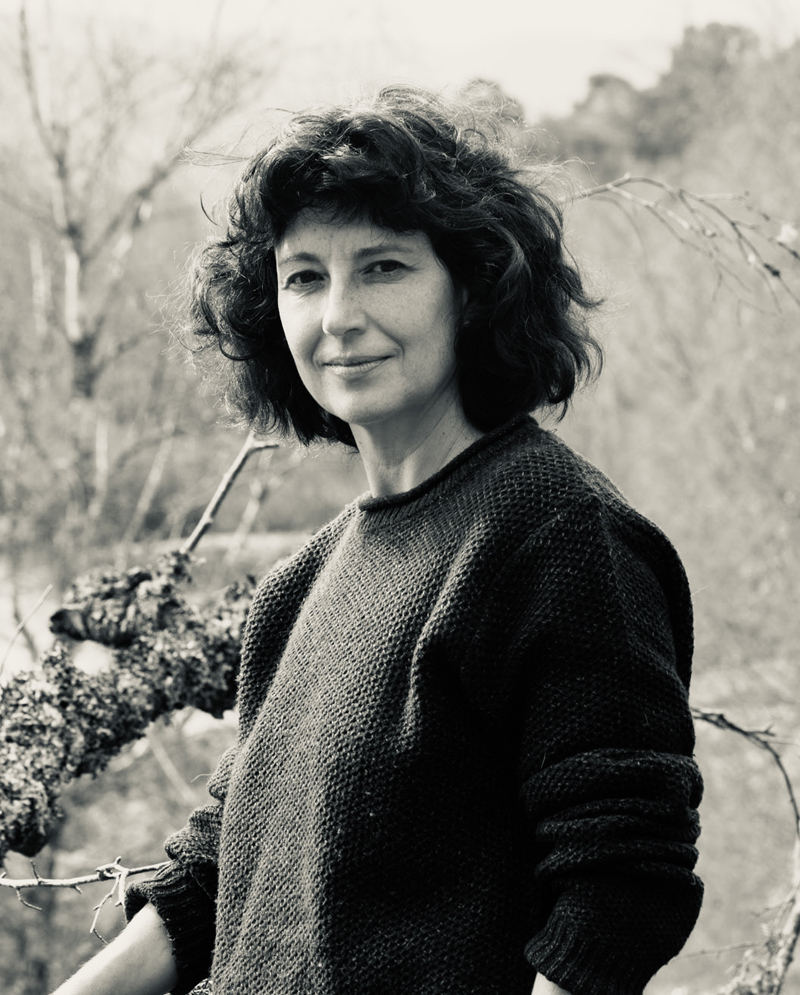
Kapka Kassabova. Author photo by Tony Davidson. Used by permission.

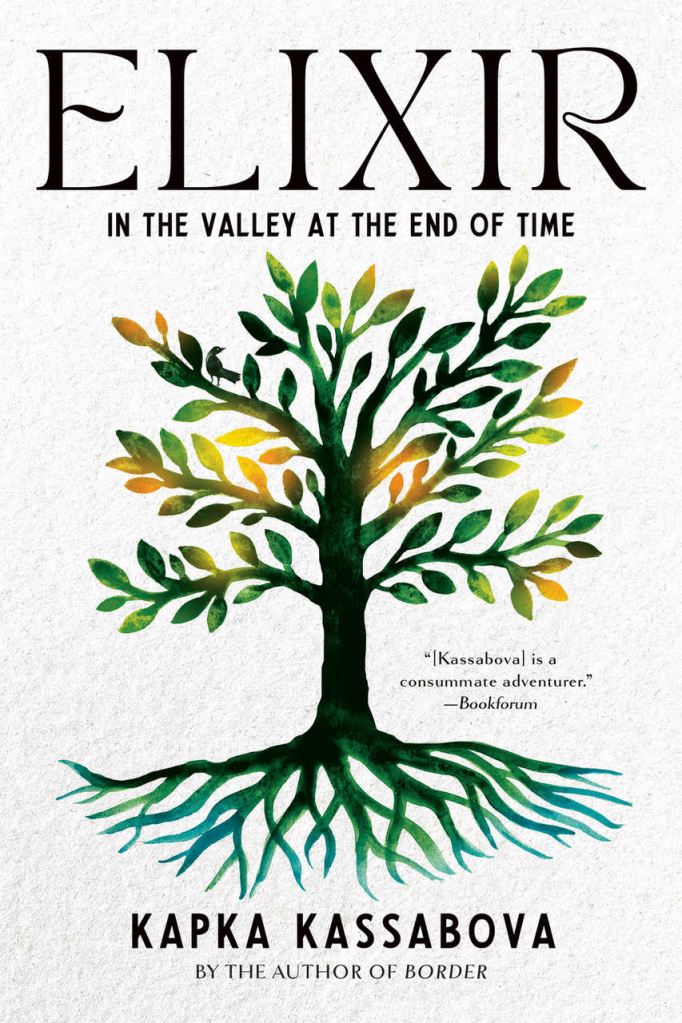
After my recent review of Kapka Kassabova’s latest book, Elixir: The Valley at the End of Time, I am delighted to share an excerpt from Elixir with FAR readers here, by kind permission of the author and the publisher.

Elixir is an astounding book, revealing a little-known world of foragers, healers, and mystics in a remote corner of Bulgaria. Here people live in profound connection to nature, with respect for herbs and the earth and older women, echoing the peaceful Neolithic civilisations which once flourished in the same valley Kassabova describes.

Continue reading “HONEY SELLERS by Kapka Kassabova with Intro by Laura Shannon”

Elixir: In the Valley at the End of Time by Kapka Kassabova, Book review by Laura Shannon

Kapka Kassabova is an award-winning author of poetry, fiction and nonfiction, born in Bulgaria and now living in the Scottish Highlands. Her newest work of narrative nonfiction, Elixir, soars with the luminous prose and unflinching honesty we have come to expect from this brilliantly gifted writer.

Elixir is an extraordinary, profoundly moving book. The moment I finished reading it, I began again from the beginning, pausing only to order multiple copies for friends. Like Robin Wall Kimmerer in Braiding Sweetgrass, Kassabova effortlessly integrates science and the sacred, addressing historical, ecological, and personal trauma with clarity, compassion, and hope. Elixir combines memoir, travel, history, ethnography, botany, philosophy, spirituality, eco-psychology, traditional Chinese medicine, and even alchemy, in a subtle, sophisticated exploration which defies categorisation.

Continue reading “Elixir: In the Valley at the End of Time by Kapka Kassabova, Book review by Laura Shannon”