I’m Not “Fit” to Judge Another Woman’s “Fit”ness by Liz Cooledge Jenkins

In recent conversations around abortion rights—spurred by a leaked draft of a Supreme Court decision that would overturn Roe v. Wade—everyone has opinions. The financially comfortable, often-white, often-evangelical women in my circles have opinions. And these opinions often involve the lives and choices of materially poor women and women of color.

            In her recent book The Trouble with White Women: A Counterhistory of Feminism, Rutgers University professor Kyla Schuller profiles seven pairs of feminist activists over the last two hundred years. Each pair includes one woman who operated from a framework of white feminism—a framework that, according to Schuller, “consistently…wins more rights and opportunities for white women through further dispossessing the most marginalized.” And each pair includes a woman who embodied intersectional feminism—a feminism that “expose[s] sexism to be a powerful structure of systemic inequality and attempt[s] to untangle its deep threads with other forms of domination, while also building new practices of care, coalition, faith, and solidarity.”[1] This is not just history but a live tension in the present day.

Continue reading “I’m Not “Fit” to Judge Another Woman’s “Fit”ness by Liz Cooledge Jenkins”
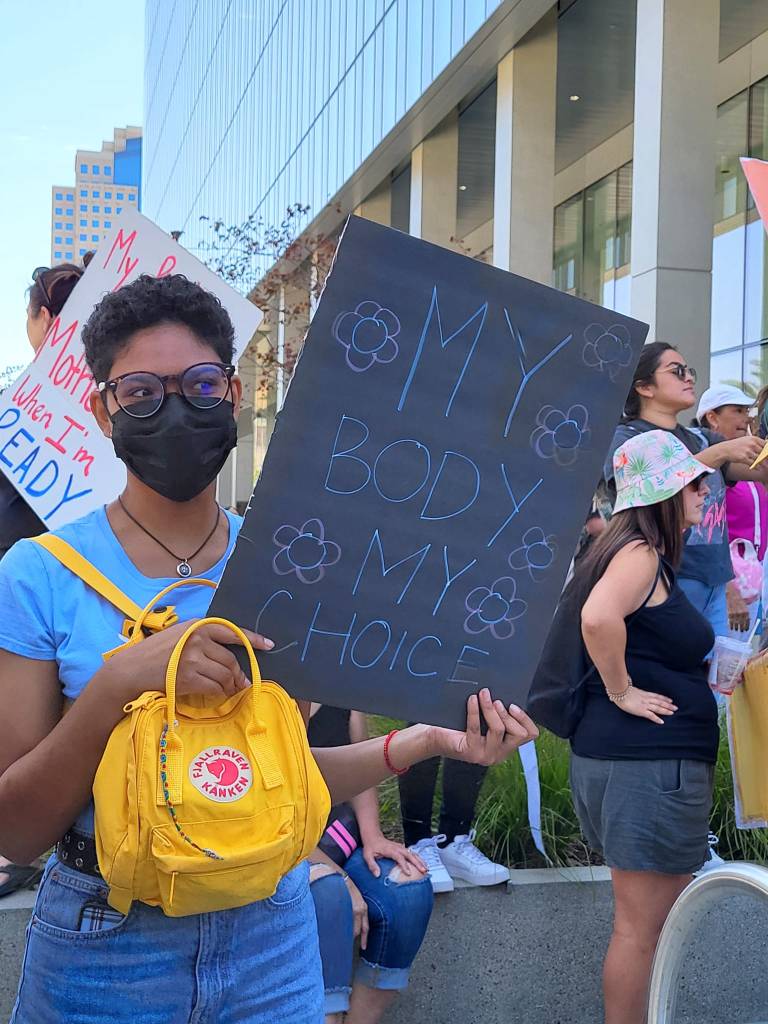
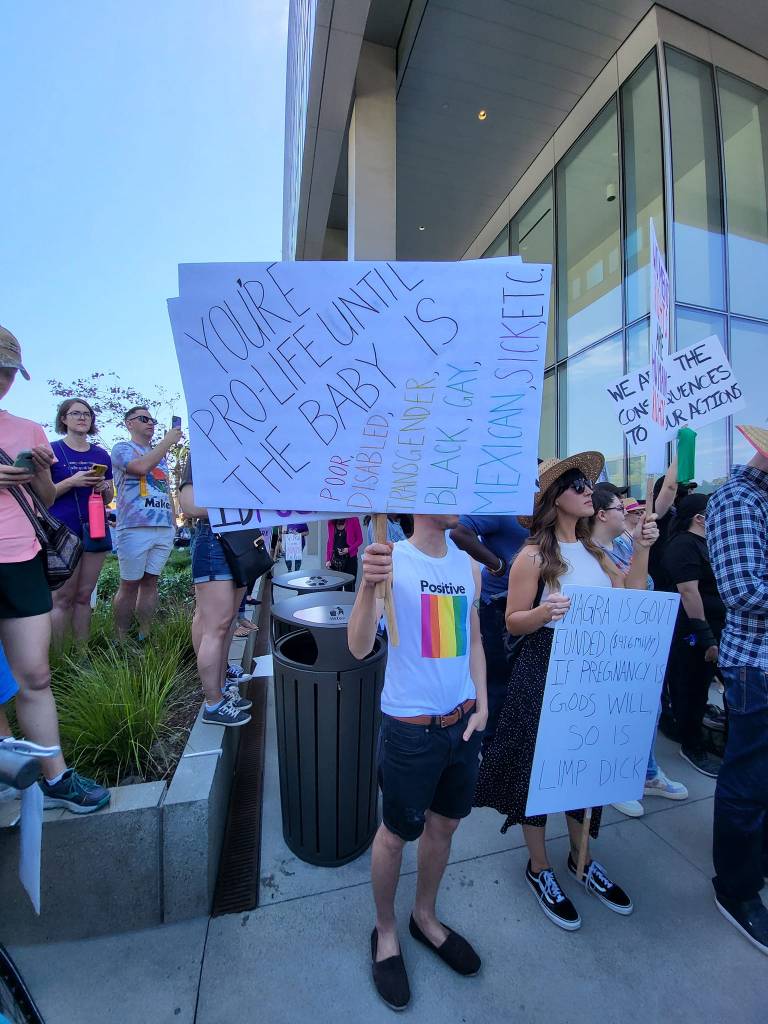
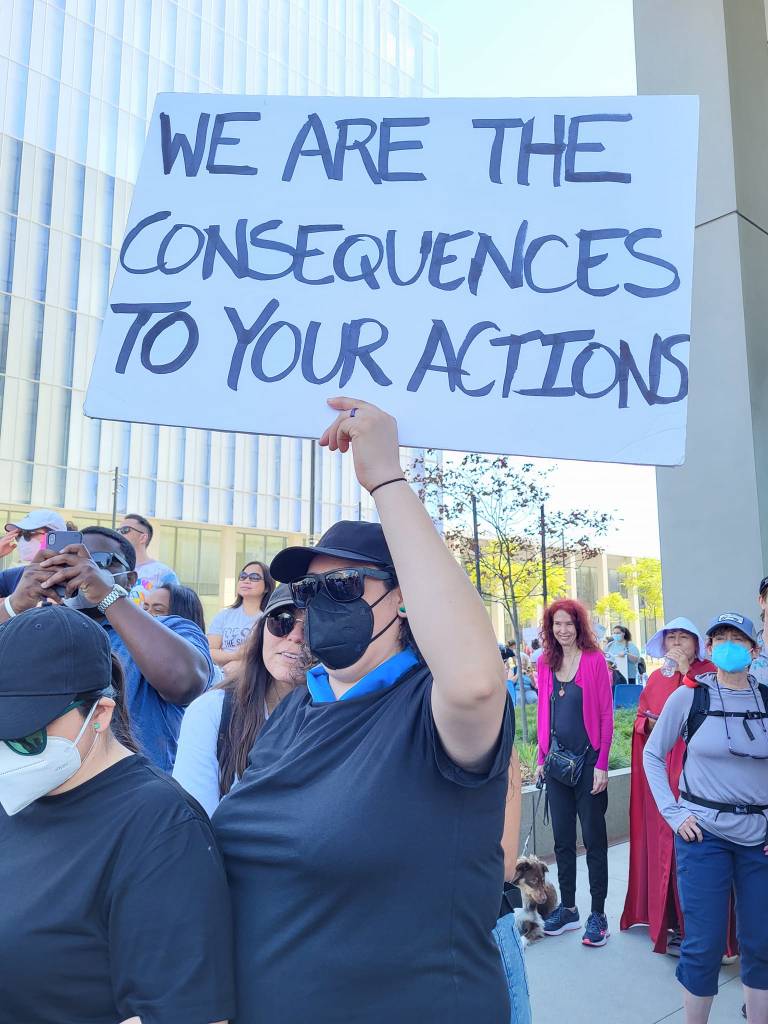
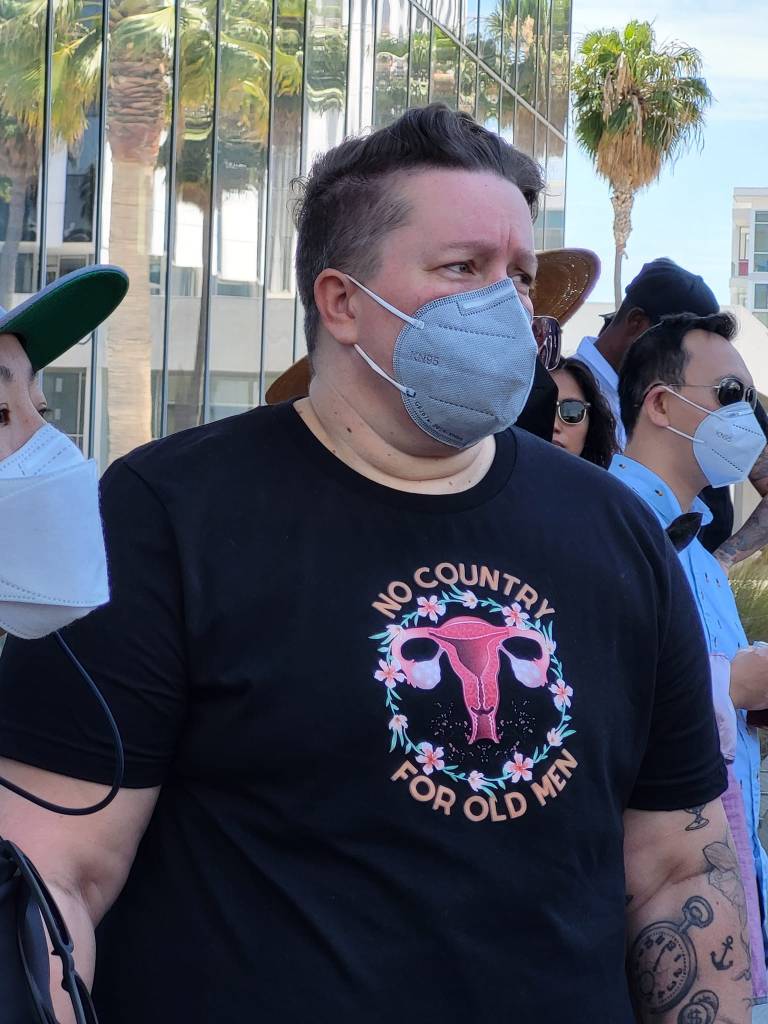
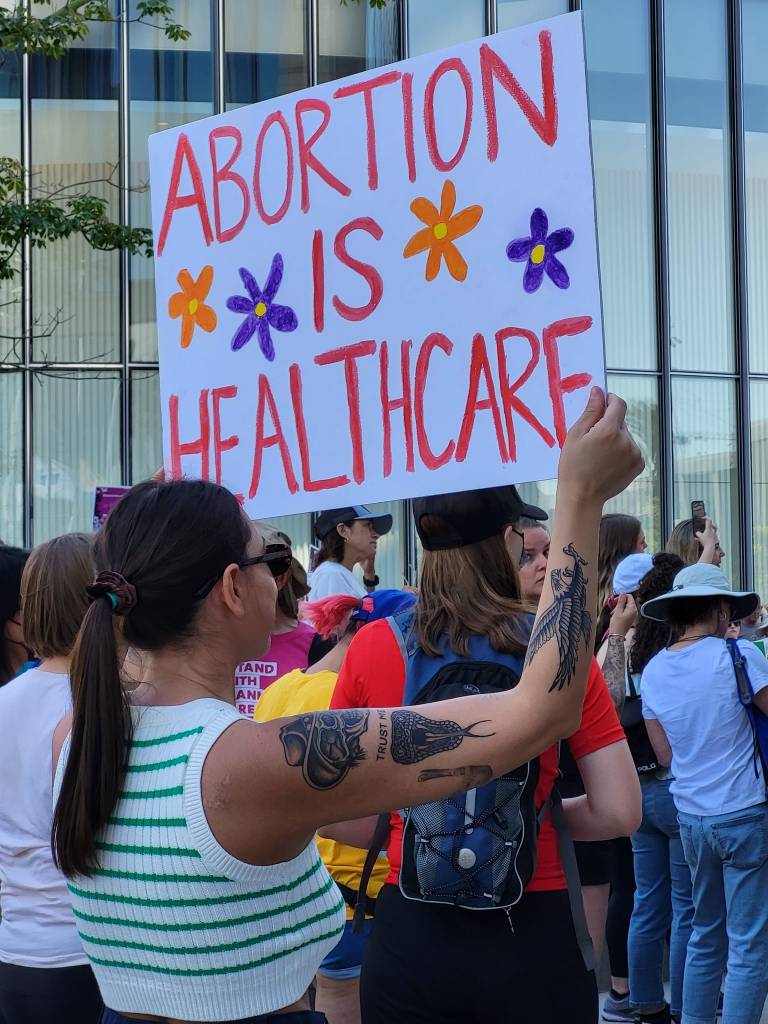
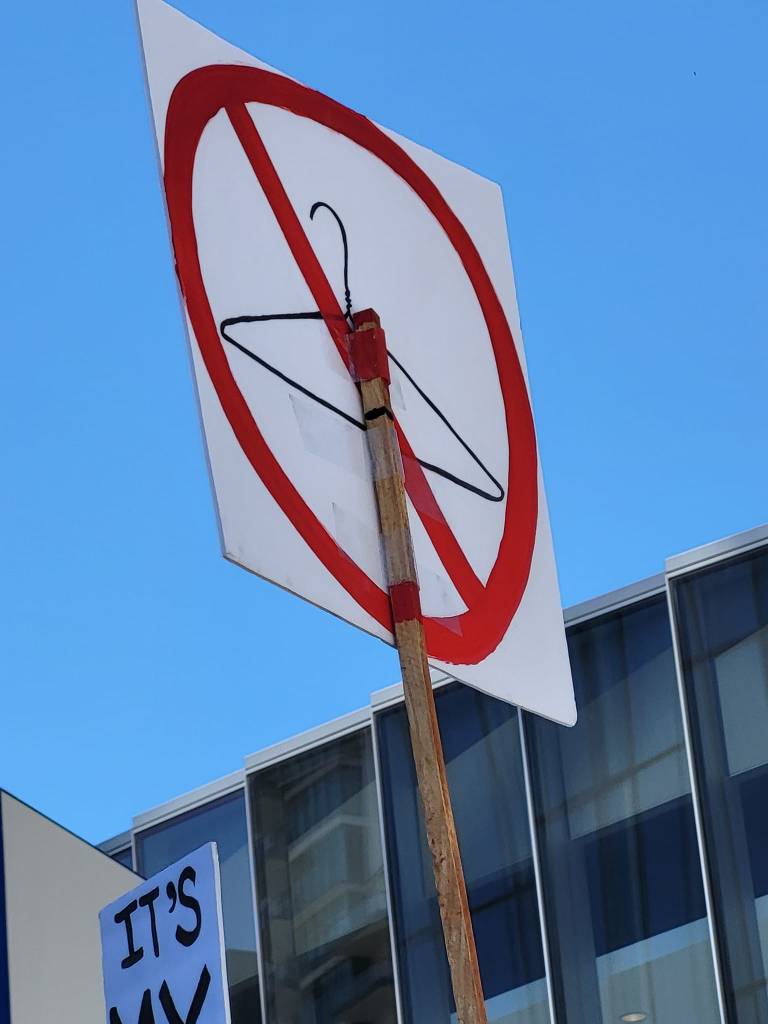
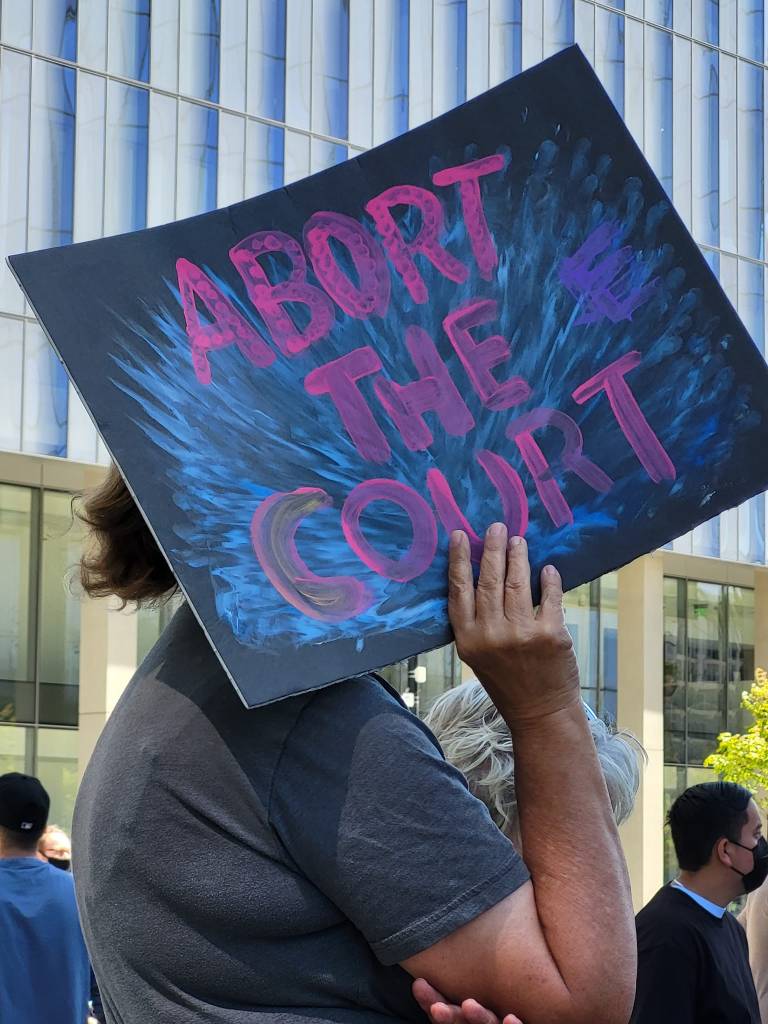
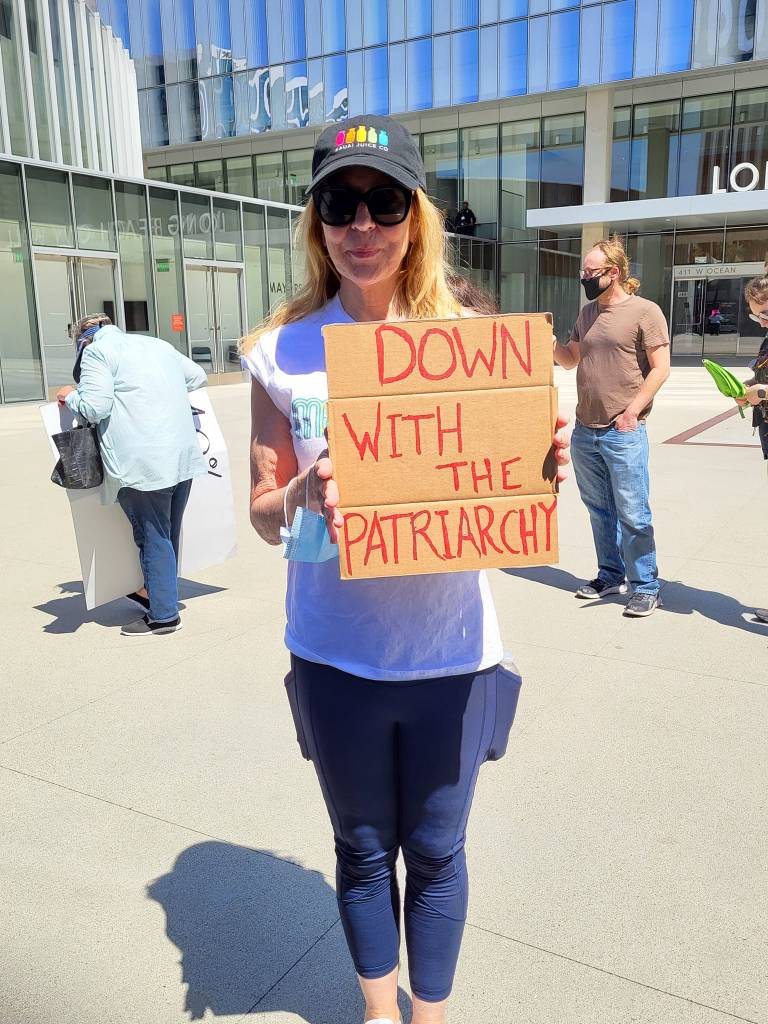
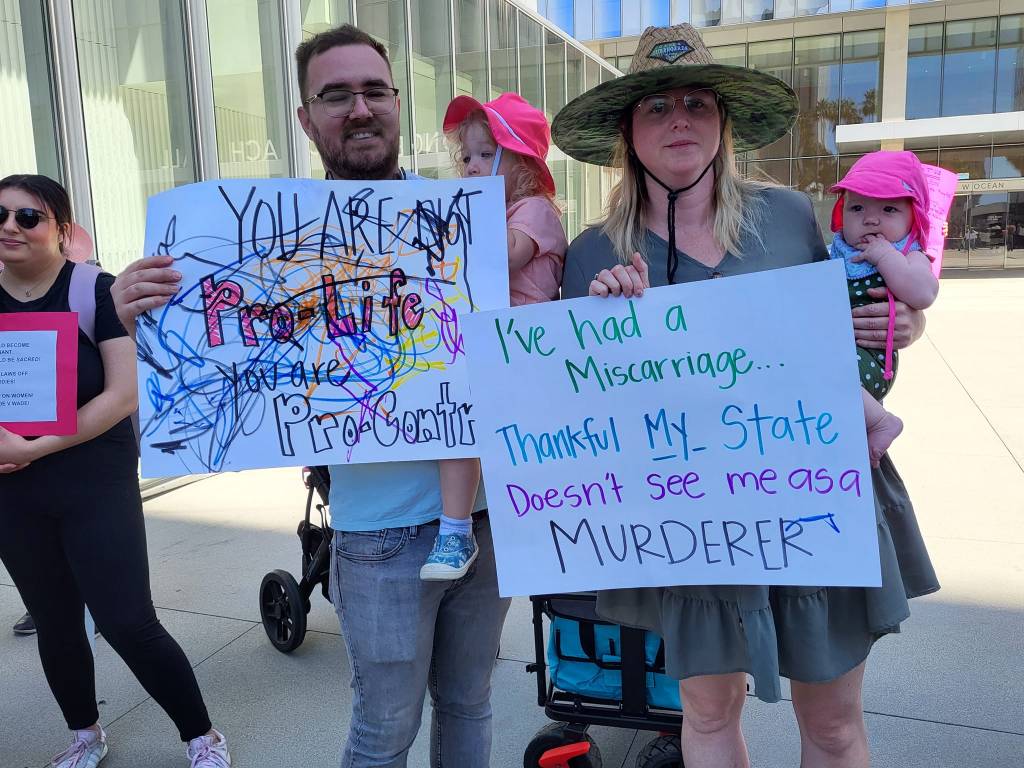
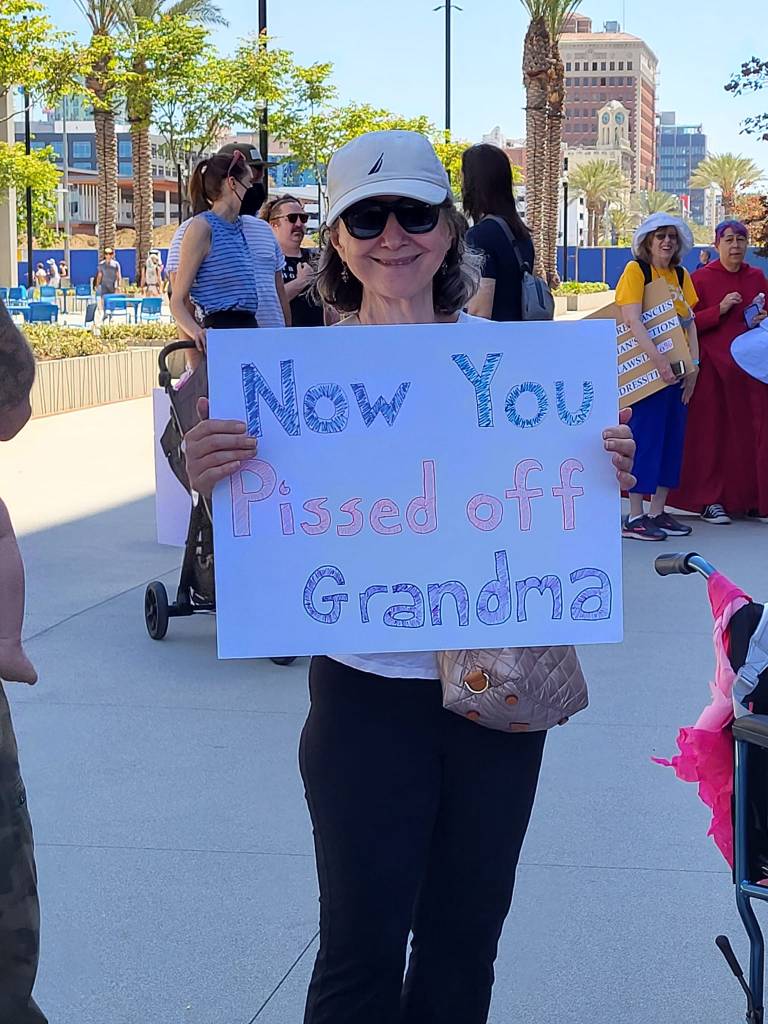
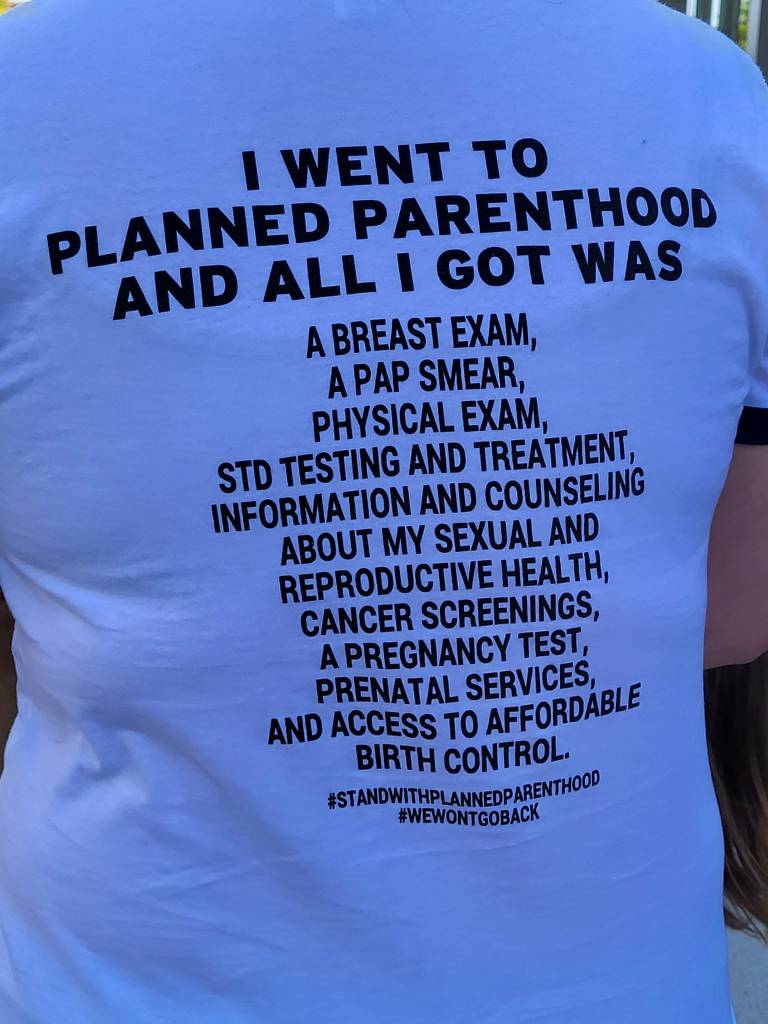
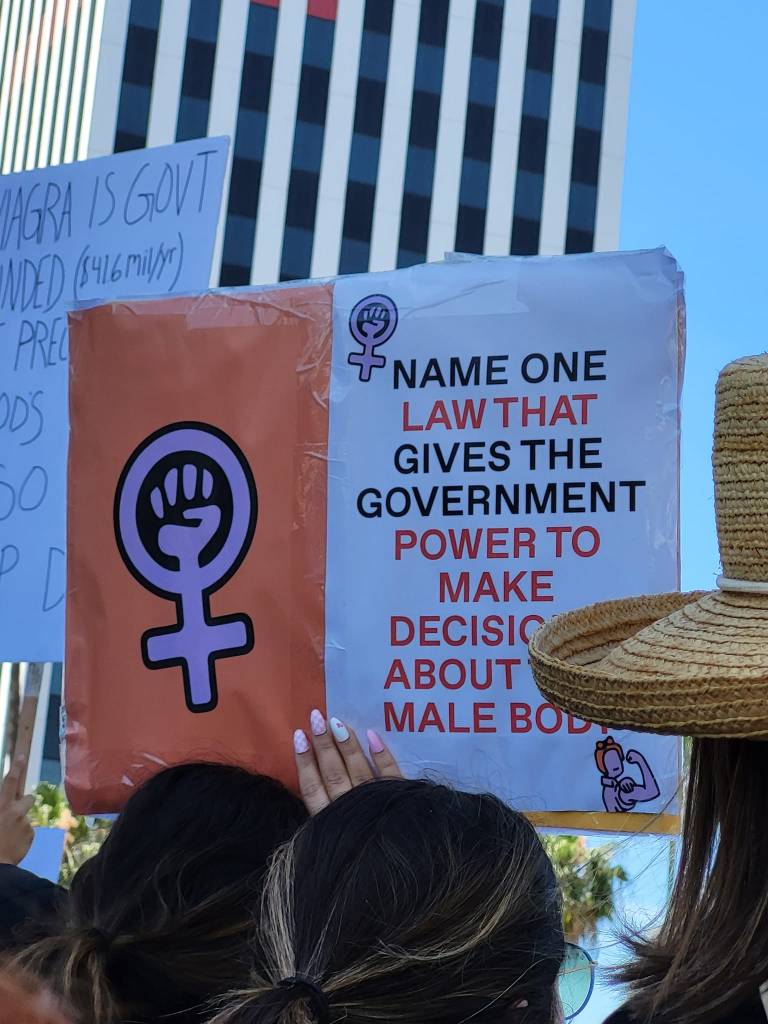
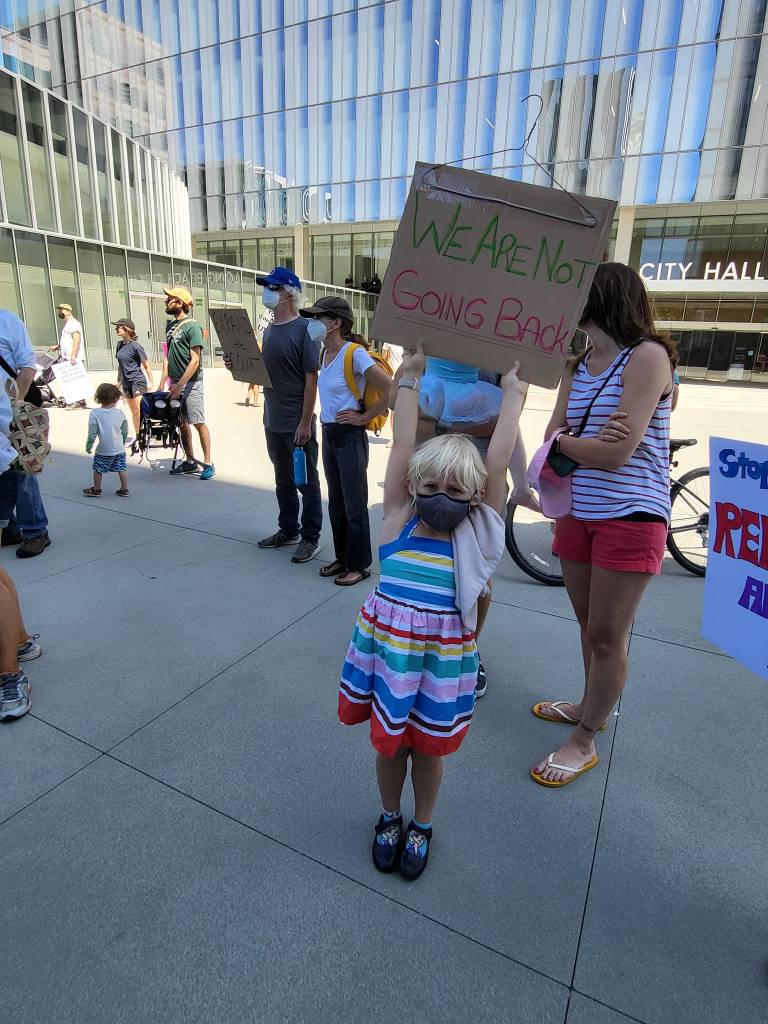
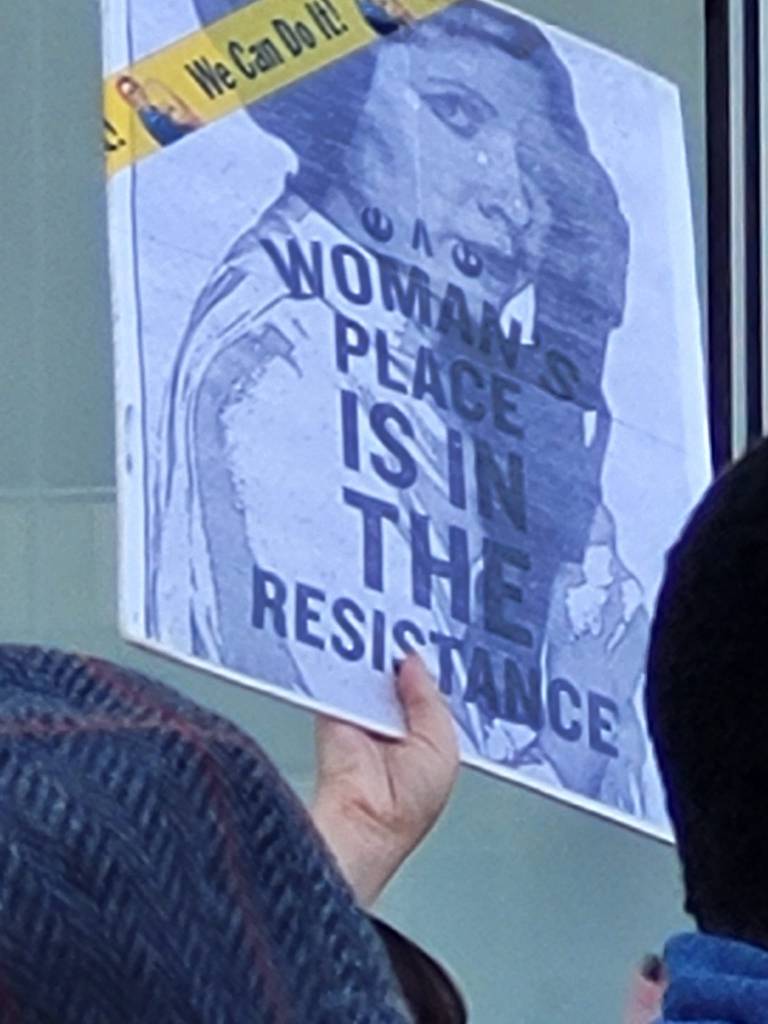
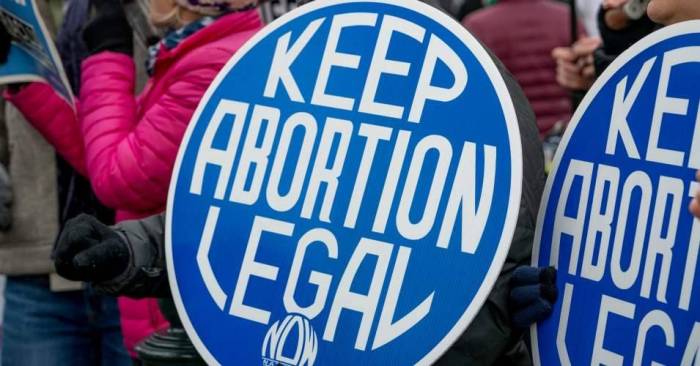
photo essay, part 2: bans off our bodies rally by Marie Cartier

photos from bans off our bodies rally, long beach ca may 14, 2022

all photos by: marie cartier

BIO: Marie Cartier is a teacher, poet, writer, healer, artist, and scholar. She holds a BA in Communications from the University of New Hampshire; an MA in English/Poetry from Colorado State University; an MFA in Theatre Arts (Playwriting) from UCLA; an MFA in Film and TV (Screenwriting) from UCLA; an MFA in Visual Art (Painting/Sculpture) from Claremont Graduate University; and a Ph.D. in Religion with an emphasis on Women and Religion from Claremont Graduate University.

Moderator’s note: This is the 2nd of the two part series. Part 1 was posted yesterday.

Continue reading “photo essay, part 2: bans off our bodies rally by Marie Cartier”

photo essay, part 1: bans off our bodies rally by Marie Cartier

photos from bans off our bodies rally, long beach ca may 14, 2022

all photos by: marie cartier

BIO: Marie Cartier is a teacher, poet, writer, healer, artist, and scholar. She holds a BA in Communications from the University of New Hampshire; an MA in English/Poetry from Colorado State University; an MFA in Theatre Arts (Playwriting) from UCLA; an MFA in Film and TV (Screenwriting) from UCLA; an MFA in Visual Art (Painting/Sculpture) from Claremont Graduate University; and a Ph.D. in Religion with an emphasis on Women and Religion from Claremont Graduate University.

moderator’s note: There are so many powerful photos that they will be posted in two parts, today and tomorrow.

Continue reading “photo essay, part 1: bans off our bodies rally by Marie Cartier”

From the Archives: Abortion–the topic that won’t go away–or even morph

This was originally posted on March 12, 2014. It was Esther’s first FAR post.

Recently, I got involved in a conversation about abortion.  It happened on Facebook when a relative posted that her heart hurts when she considers her “sweet baby girl” and how the law (Roe v. Wade, 1973) in the United States gave her the choice as to “whether [or not] I would have her killed.”  She’s sincere.  Many of her friends “liked” her post and, with few exceptions, commented in agreement.  I was one of the exceptions.

March celebrates Women’s History Month–a month to remember the accomplishments of our foremothers, noting their work helping to secure for us (their progeny) certain rights, most notably the right to vote (Elizabeth Cady Stanton, 1815-1902) and reproductive rights (Margaret Sanger, 1879-1966).  Support for abortion nowadays almost always falls under the rubric of “women’s reproductive rights.”  So when we hear, “It’s my body and I’ll decide what I’ll do with my own body,” the speaker is giving voice to what many consider to be a fundamental right–the right to be autonomous and exercise free agency over one’s own person.

Continue reading “From the Archives: Abortion–the topic that won’t go away–or even morph”

Women’s Autonomy and Well-Being v. the Patriarchy by Elizabeth Ann Bartlett

A recently leaked draft of the US Supreme Court’s opinion on Dobbs v. Jackson Women’s Health Organization suggests that the court is ready to overturn Roe v. Wade. Most people know the legal consequence of Roe, but few know the grounds for the decision. The focus was on the “important and legitimate interest” the state has in preserving and protecting the health of the pregnant woman. Defining “health” broadly, Justice Blackmun wrote:

            The detriment that the State would impose upon the pregnant woman by denying this choice altogether is apparent. Specific and direct harm medically diagnosable even in early pregnancy may be involved. Maternity, or additional offspring, may force upon the woman a distressful life and future. Psychological harm may be imminent. Mental and physical health may be taxed by child care. There is also the distress, for all concerned, associated with the unwanted child, and there is the problem of bringing a child into a family already unable, psychologically and otherwise, to care for it. In other cases, . . . the additional difficulties and continuing stigma of unwed motherhood may be involved. (410 U.S. 113, 1973) 

Psychological, physical, familial, social, present and future health of the woman are all to be taken into consideration. I would add to this the spiritual well-being of the woman, for this is a deeply personal spiritual decision as well.

Continue reading “Women’s Autonomy and Well-Being v. the Patriarchy by Elizabeth Ann Bartlett”

From the Archives: Rape is Not a Political Platform – Rape is a Violent Crime! By Michele Stopera Freyhauf

Moderator’s note: This marvelous FAR site has been running for 10 years and has had more than 3,600 posts in that time. There are so many treasures that have been posted in this decade. They tend to get lost in the archives. We are beginning this column so that we can revisit some of these gems. Today’s blogpost was originally posted August 23, 2012. You can visit it here to see the original comments.

Just when you think you have heard it all, here we go again – another politician with “open mouth-insert foot” syndrome.  Discussing his zero-tolerance policy for abortion, Missouri Representative Todd Akin made the following statement last Sunday about pregnancies that result from rape:

“from what I understand from doctors, that’s really rare.  If it’s a legitimate rape, the female body has ways to try to shut that whole thing down.  But let’s assume that maybe that didn’t work or something.  I think there should be some punishment, but the punishment ought to be on the rapist and not attacking the child.”

Continue reading “From the Archives: Rape is Not a Political Platform – Rape is a Violent Crime! By Michele Stopera Freyhauf”

Abortion Rights (?) by Esther Nelson

Slowly, yet systematically, women, men, and everybody else along the gender continuum, are losing access to a timely, legal, and safe abortion. This is not breaking news. Pushback in the United States against abortion “rights” has been happening in various state legislatures for decades.  These days we find ourselves more and more constricted as laws across the country reflect a tightening of accessibility to what some people refer to as a “scourge” in the land.

My first-ever blog post on FAR (March 2014) wrestled with the subject of abortion.  In that essay (one that’s still relevant), I suggest we broaden our thinking about a subject that has polarized Americans. Is abortion (a) right?  Is it wrong? The two sides have become entrenched.


Continue reading “Abortion Rights (?) by Esther Nelson”

Carol P. Christ’s Legacy: “LOVE PATRIARCHALISM”—ITS UNDERSIDE IS HATE

Moderator’s Note: We here at FAR have been so fortunate to work along side Carol Christ for many years. She died in July this year from cancer. To honor her legacy as well as allow as many people as possible to read her thought-provoking and important blogs we are pleased to offer this new column to highlight her work. We will be picking out special blogs for reposting. This blog was originally posted September 3, 2012. It is surprisingly current.You can read it along with its original comments here

Where patriarchalism trumps love, when push comes, shove often follows. The underside of love patriarchalism is hatred of the independence of women. 

We are told that it is the duty of a loving father and husband to protect his wife and children.  In exchange, good wives support their husbands and good children obey their fathers.  The bottom line of patriarchy is control.  The fight over abortion is a fight about men’s right to control women.

I have spent much of the past few weeks wondering why so many Republican men hate women.  Why do they want to deny the right to an abortion to a 12 year-old girl raped by her father, to a 21 year-old college student gang raped at a fraternity party, to a 33 year-old woman who submitted to a violent boyfriend she did not know had poked a hole in his condom, or a to a 41 year-old woman who offered a cup of coffee to the man who came to her house to fix the electricity, but who said “no” when he assaulted her.

Continue reading “Carol P. Christ’s Legacy: “LOVE PATRIARCHALISM”—ITS UNDERSIDE IS HATE”

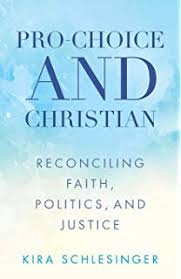
Pro-Choice and Christian: Reconciling Faith, Politics, and Justice BOOK REVIEW by Katie M. Deaver

In 2015 Kira Schlesinger wrote piece for Ministry Matters about how her own pro-choice stance on abortion had become more complicated the more she explored the issue of abortion. The article was widely read and shared, as well as hotly debated by many. You can read this article and the many comments here. Out of the response to this article grew Schlesinger’s Pro-Choice and Christian: Reconciling Faith, Politics, and Justice.

The book does a great job of walking the fine line of being both academically engaging and an easy enough read to engage a book or Bible study group as well. Schlesinger uses the first couple of chapters to dig into the history of abortion, listing recorded examples of the process as early as 1300 BCE. From there she briefly walks the reader through the roughly 100 years (Comstock Act in 1873 until Roe v. Wade in 1973) during which abortion was illegal in the United States. Finally, she wraps up this beginning historical section with details about the generations after Roe v. Wade up to our current reality.

Continue reading “Pro-Choice and Christian: Reconciling Faith, Politics, and Justice BOOK REVIEW by Katie M. Deaver”

“What Could be Sadder?” I’ll tell you…by Esther Nelson

You’ve probably seen the following meme circulating on social media:

This meme is designed to be evocative.  Specifically, it plays into the concept of the sanctity of motherhood that so often oozes into a popular sentimentality about children.  In Christian-majority countries, we read and hear the story of the Virgin Mary acquiescing humbly and readily to her pregnancy when the angel of the Lord tells her she is with child, something done to her by the Holy Spirit.  “And Mary said, Behold the handmaid of the Lord; be it unto me according to thy word.  And the angel departed from her” (Luke 1:38).  Mary is often elevated in Christian circles as a role model for women.

Putting aside the question (for now) that asks when life begins, let’s consider this “sad sight” the meme talks about—“women marching for the right to kill their own children.”  Abortion aside (for now), there are many examples—both in literature and history—of women having killed their children.  I offer the following two:

The novelist Toni Morrison (b. 1931) won the Pulitzer Prize for Fiction (1988) for her book, BELOVED.  Morrison tells Sethe’s story, a mother who knows firsthand the horrors of slavery, who kills her child rather than seeing her enslavedContinue reading ““What Could be Sadder?” I’ll tell you…by Esther Nelson”