A Goose Tale by Sara Wright

Coalie and the Goose

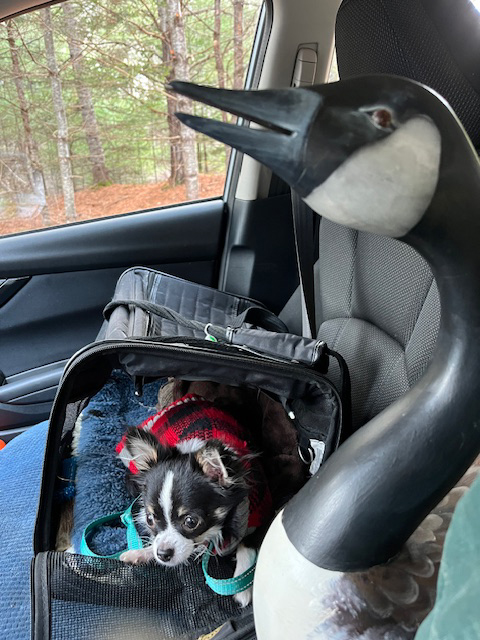
It’s the last day of November and small groups Canadian geese are still drifting around on patches of open water. I saw two small groups on North Pond. Although many skeins have flown south along the Atlantic flyway – they can migrate south as far as Mexico and South America -some geese spend the winter along coastal areas in Maine if food resources are available. It’s hard to know whether these groups are migrators from Canada who have stopped over to rest or a few that winter over nearby on the Kennebec or elsewhere along the southern coast of Maine. With warming temperatures Canadian Geese migratory patterns are changing.

Soon after their arrival the female disappears to lay 8 – 10 eggs in her nest that is securely hidden in the reeds while her mate stands watch. When the goslings are born both parents escort them through the water, one parent in front, the other behind. If threatened the male becomes aggressive, a totally appropriate behavior from my point of view. When the little ones are big enough these birds join other families for the rest of the summer and some will probably migrate together. These are such community oriented birds. They make it a habit to get along. Geese are omnivores that will eat almost anything and they mate for life, returning to their designated ‘home’ places to breed year after year. Even before the chicks arrive geese are drawn to some of the 400 million lawns in this country (especially those that are close to water) much to the dismay of some.

Continue reading “A Goose Tale by Sara Wright”
The Doorway  by Sara Wright

When my dog Hope told me it was her time I listened and immediately prepared for our leave taking. In 13 years, I had never had  to pry Hope out of her carrier. But this time when we arrived at the vet I did. I knew that Hope knew that she was going to die and that she was afraid, although it was her decision that led us here.

Wrapping her in a fleecy blue blanket I remember little except the precious bundle I held in my arms. Our eight- month ordeal with her exploding heart was about to end. 

Seconds before she slipped away Hope raised her head, stared into my eyes with liquid onyx as she kissed away a flood of tears. Always keyed into my every mood and behavior this final gesture of undying love was no surprise. 

The grave was waiting, but I took my time, feeling the power of Hope’s presence as I bathed and anointed her with sweet lemongrass and then lay with her on the porch preparing us both for the final goodbye. Murmuring repeatedly the words ‘I love you  -we will never be separated’. I believed. 

Continue reading “The Doorway  by Sara Wright”

Legacy of Carol P. Christ: In The News – Global Climate Change

This post was originally posted on Nov. 7th, 2012

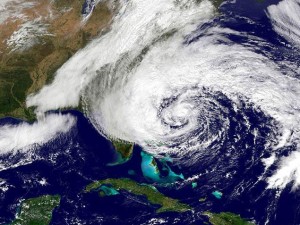
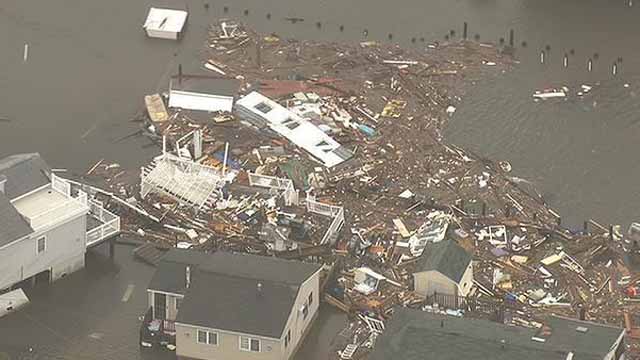
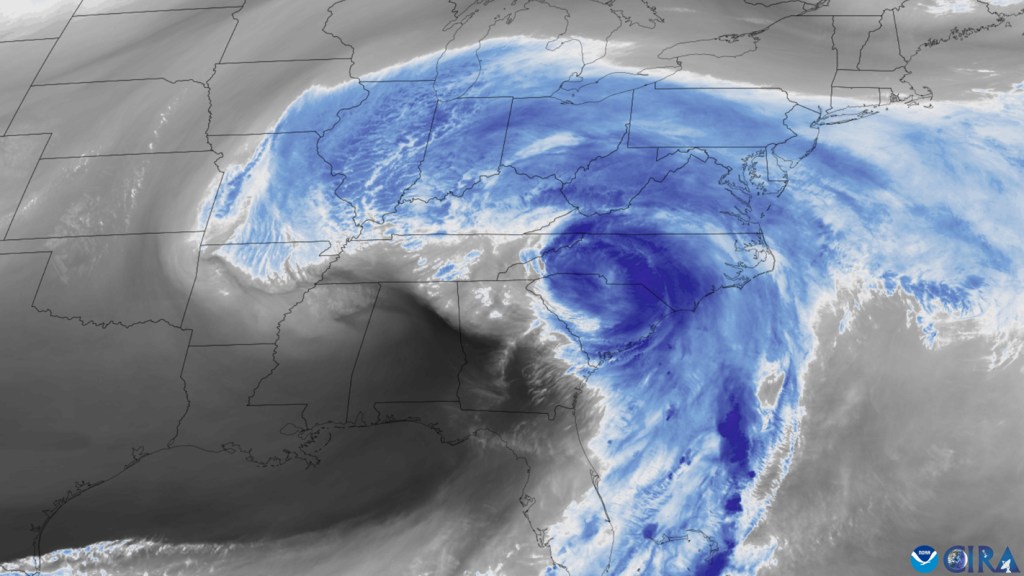
Climate change is in the news again due to the devasting storm known as Hurricane Sandy.  Scientists, activists, journalists, and politicians are telling us that Sandy is not just another “unpredictable event” brought to us by “Mother Nature.”  Will we listen this time?

Hurricane Sandy is a human-made and entirely predictable and sure to be repeated environmental consequence of the use of fossil fuels, especially oil and coal. Burning fossil fuels puts carbon dioxide into the atmosphere. This raises the global temperature in the air, land, and sea. Melting of polar ice caps is a result of the rise in global temperatures. This will cause a 3 foot or more rise in the seas, leading to the permanent flooding of the seacoasts and sea coast constructions, including homes, restaurants and shops, office buildings, and harbors and ports.

The warming of the seas is also producing extreme weather conditions, including high winds and hurricanes, along with colder winters and hotter summers.  Extreme weather conditions will lead to regular storm-related flooding of rivers and sea coasts, erosion of hills and mountains in winter, followed by catastrophic fires in summer.  Prolonged droughts and unseasonal rains will devastate farms and food production. Wildlife habitats will be destroyed. Places where people live will become too hot, too cold, too wet, and generally unfriendly to life.

Continue reading “Legacy of Carol P. Christ: In The News – Global Climate Change”

Legacy of Carol P. Christ: Cry The Beloved Country

This post was originally published on Nov. 5th, 2012

With the final day of voting in the US election less than 24 hours away, I feel a deep sadness descending on my soul. 

This election will have far-reaching consequences in relation to a number of issues I care deeply about. Among them are health care, social services, a social safety net, a graduated tax structure that taxes the rich and to a lesser extent the middle classes in order to provide services for the poor, equal pay for equal work, a woman’s right to choose, and gay rights.  On these issues there is a clear choice between the two candidates for President and the two parties.

Democrats believe that health care is a human right, that social services should be provided for those who need them, that taxes should be paid by those who can afford to do so, that women have a right to equal pay and control of our own bodies, and that gays and lesbians should have all the rights of other citizens. Republicans believe that government does not need to provide or control health care, that social services are largely unnecessary, that it is unfair to tax the rich, that equal pay is not important if women have husbands, that the church and state should be making decisions about women’s bodies, and that homosexuality is a unnatural.  There is a clear choice on these issues.

For this reason, I urge all of you who have not voted yet—and those of you who are considering not voting–to vote, no matter how long the lines are, no matter what intimidation you may face, and no matter what discouragement and disappointment you may be feeling.*

Nevertheless I feel like crying.

I feel sad that just about half of all Americans who intend to vote will be voting for the rich, against the poor, and against women’s—my–independence.  Continue reading “Legacy of Carol P. Christ: Cry The Beloved Country”

The Wave: Poems from Hurricane Helene by Annelinde Metzner

For 37 years, I have resided with awe and delight in the Appalachian Mountains near Asheville, North Carolina.  With gratitude for the palpable strength and ageless beauty of the great mountains down to the tiniest ephemeral flowers, I have poured out poetry and music in honor of Her and my life here. In one day (or three, including the days of rain leading up,) Her pristine beauty and the homes and lives of thousands were destroyed by the violent winds and rain of Hurricane Helene.  I was dropped into a deep well of grief, which I still experience to this day.  But something very ancient, basic and fundamental pushed me to write poems, astounded as I was by the events and human interactions around me.  I hope these poems give you some sense of the experience.

Helene Wave
Continue reading “The Wave: Poems from Hurricane Helene by Annelinde Metzner”

Seeds of Life by Sara Wright

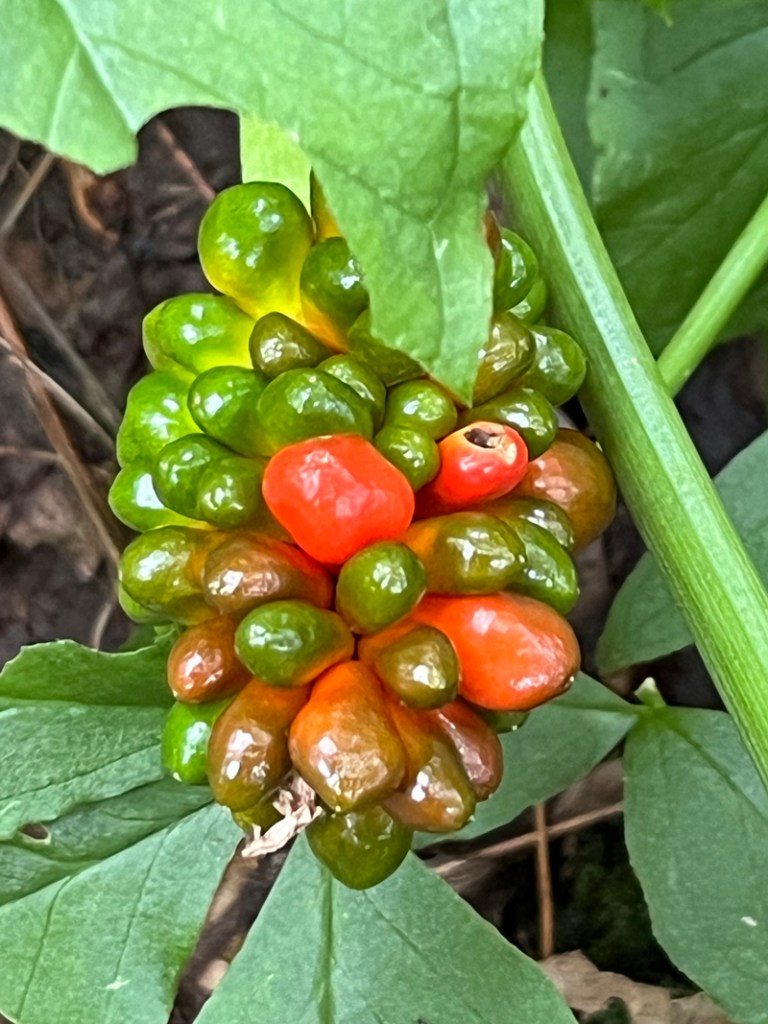
Seeds from Jack in the Pulpit

 I have been involved with plants since I was a toddler. My first word was ‘fower’ for bright yellow buttercups, a nickname I was given by my grandfather that stuck.

I guess it’s no surprise that I started out with gardening as a three-year-old under my grandmother’s tutelage. Her large vegetable plot fed us for most of the year. I seeded my first yellow summer squash into rich moist earth and watched with wonder as the seed emerged with two emerald ears.

In college when students were decorating their rooms with drapes and bedspreads, I bought a pepper plant to brighten my cement surroundings and soon had a windowsill full of plants.

As a young adult I grew many house plants and often talked to them, noting that we seemed to have an uncanny personal relationship, a childhood reality that I had been educated out of. I also gardened with herbs outside my back door, because I loved to cook and needed tasty condiments. Soon I moved on to planting a full – fledged vegetable plot. I canned what I could like my grandmother still longing for the bountiful flower gardens of my dreams. I come from a lineage of female flower gardeners and farmers that stretched back three generations (that I know of) but as a young single mother who worked and one who was frozen from loss, I didn’t make the time.

Continue reading “Seeds of Life by Sara Wright”

Refuge by Sara Wright

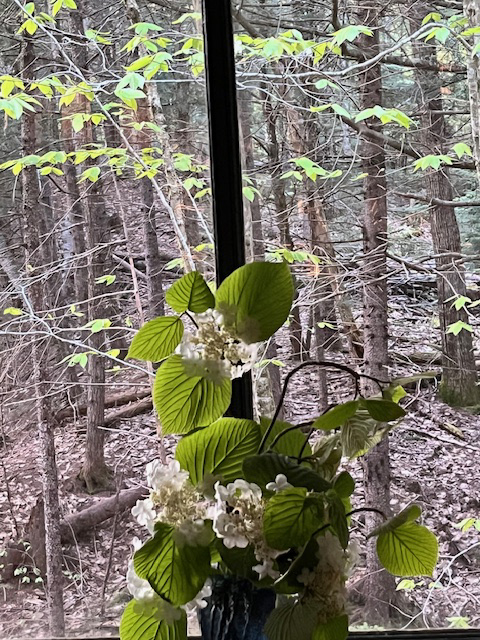
Refuge window with hobble bush

Refuge is a place I go to be with other forests. A blessed place…even when I have a dog that is dying. Two free writes from the field where Nature is Queen of May and June…

Continue reading “Refuge by Sara Wright”

Embrace Fearlessly this Burning World by Sara Wright

“Attention is the rarest and purest form of generosity”.
Barry Lopez

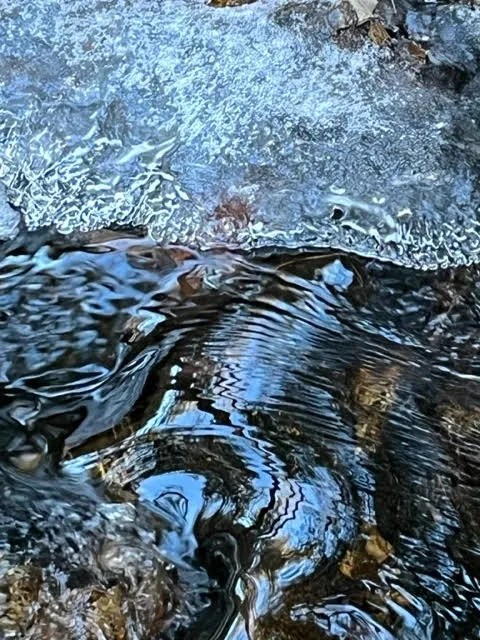
Ice and water

The older I get the more I realize that being able to pay attention is the greatest gift especially in what Lopez calls ‘this burning world’.

Every day there is an opportunity to engage with some aspect of the rest of nature, no matter how despondent I might feel. Because early spring is a difficult time for me, I try to discipline myself to open nature’s door daily because it is in these timeless moments, I get caught by the ephemeral Now.

Last week before the storm that would later drop another two feet of snow at my door I decided to visit and feed the two geese thinking that they might appreciate extra food. I also had a nagging sense they might be calling me.

Continue reading “Embrace Fearlessly this Burning World by Sara Wright”

Legacy of Carol P. Christ: Why Should We Care About Birds?

This was originally posted on Feb. 6, 2012 with updates added later.

I believe that we should we care about birds because it is right to do so.  If we do not, we will contribute to extinction of species, and we will leave a diminished world to those who come after us. We must not give up hope that we can save the world for birds, for other wildlife, and for our children’s children.

On February 2, 2012, the International Day for Wetlands, the Greek government signed into law a Presidental Directive mandating protection of the small wetlands of the Greek islands.  There is no assurance that this law will be enforced.  There are still no measures in effect to protect most of the larger wetlands in Greece, even though this is required by the European law Natura 2000, which requires all of the countries in the European Union to protect bird and wildlife habitats.

When I became a birdwatcher, I could not have told you what a wetland is.  Now I know that wetlands are fragile bodies of water shallow enough for wading birds from flamingoes to sandpipers to stand in “without getting their bottoms wet” while feeding on shrimp, small fish, frogs, and other watery treats.  Wetlands often take the form of pools near the sea, but they also include the deltas at river mouths and seasonally flooded fields.  In the twentieth century and today many wetlands were designated “swamps” and drained.

Continue reading “Legacy of Carol P. Christ: Why Should We Care About Birds?”

Saving the Mother Trees by Sara Wright

I am submitting this essay on March 25th, the original Mother’s Day according to some pre – Christian mythology. It seems important to be writing about the ‘Old’ Trees of Life, today, of all days.

Sixty years ago, Suzanne Simard intuited that the trees in the forests that she and her family logged (with horses) were all connected and operated as a complex cooperative living organism. Trees, understory plants, flowers, insects, animals, fish, and fungi were all parts of one integrated whole.  

Suzanne was a trailblazer, one of the first females to graduate from the University of British Columbia as a forester. Her first job seemed daunting. It was up to Suzanne to  determine why some newly planted tree seedlings kept dying.

Continue reading “Saving the Mother Trees by Sara Wright”