

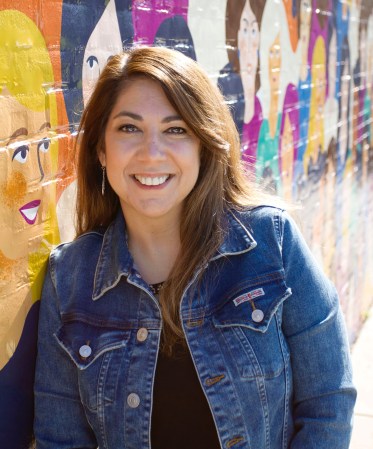
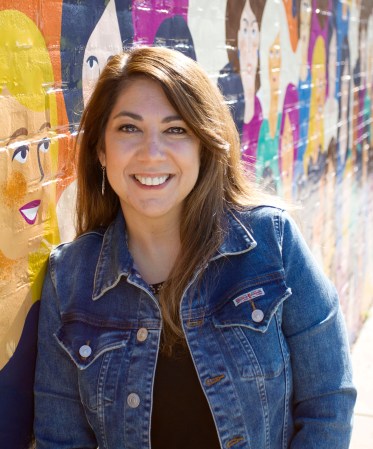
The first time I called myself a feminist, I think I was twelve years old. Growing up in a traditional Sicilian Catholic household, misogyny was ever-present. There were clear expectations of me and my brother based on our gender and these ideas were grounded in our religion. I didn’t realize how problematic this was until much later; but by age twelve I was asking questions and knew that it wasn’t fair that my brother could be an altar server and I couldn’t…because I was a girl.
A few years ago, I experienced a shift in my life. I am not sure how to explain it. Some might call it a midlife crisis; but I’m inclined to define it as an awakening, at least a partial awakening. I won’t foolishly claim that I am suddenly enlightened; however I began to question my own identity as a feminist. Continue reading “100 Years After Women’s Right to Vote, Our Feminist Struggle Continues by Gina Messina”
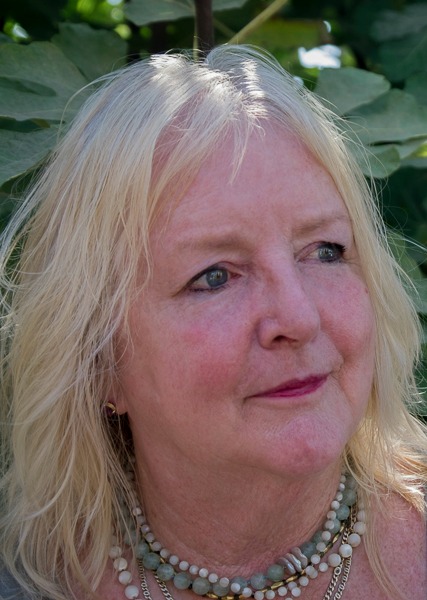 Feminist spirituality is often disparaged in academic feminist and progressive communities. Many of the strongest critics are Marxists, but there is a general agreement that religion is the opiate of the people, a false belief system that diverts energy from the difficult work of creating justice in this world. This view is rooted in the habit of thought known as classical dualism in which spirit and nature, spirit and body, and this world and the next are viewed as antithetical. From this, it would seem to follow, feminist spirituality focuses attention on an imagined spiritual world as opposed to the material world in which real people live and interact with each other. Nothing could be farther from the truth.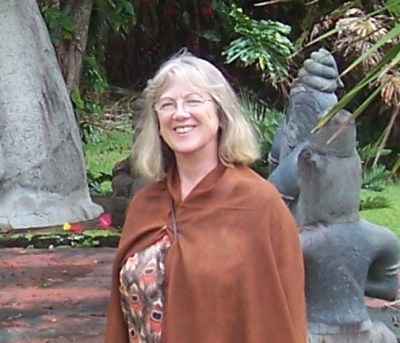
 We recently celebrated the feast day of St. Mary of Magdala, a woman who is responsible for the founding of the Christian tradition and a model of what it means to live up to the role and expectation of being a human being.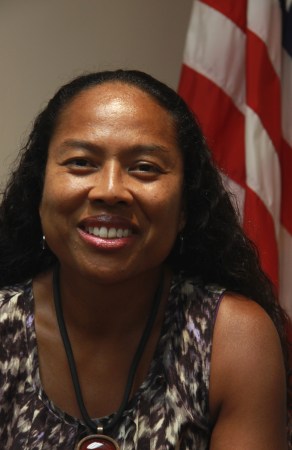
 I’ve long held that feminism, in order to be true and engaged and practical, must be intersectional. Such is also the case, I believe, for LGBTQ rights. The work of justice for women and LGBTQs people must also include justice for other marginalized groups. Because many LGBTQ people are also women, people of color, people with disabilities, Muslims, immigrants, and others marginalized for identities other than their sexuality. Paying attention to these intersections—of sexuality, gender, race, class, ability, religion—and acknowledging that many people have multiple intersecting identities for which they are oppressed is vital to the work of justice.
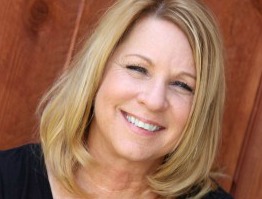 Recently FAR contributor
 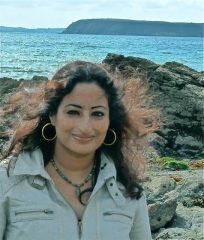 ‘Someone needs to gather the stories, to keep the cauldron,’ said the late Goddess feminist artist
  After reading my essay (
 Feminism and Religion