Black Bird Ballet by Sara Wright

Wikimedia Commons

In September I was patient. My beloved birds were having a good year seeking food in natural places like my field I reminded myself over and over as they remained absent from my feeders until I fell and was hospitalized for weeks.

After November’s first snow storm the grouse arrived and I had high hopes that she would stay. I occasionally flushed her in thickets but did not see grouse’s plump brown body feasting on the remainder of the berries from the crabapple or see her hieroglyphs in the snow.

The turkeys remained absent. When I walked through my young pine forest where chickadees chirp even on windy days, the musical whirring wings of mourning doves tore into the grief I felt and didn’t want to own. Sometimes I called out “I love you” to those birds who chose to converse with me because I know they know.

 In late November when the snow piled up bowing trees to the ground it also brought in the first winter cold; this time the brook almost froze solid. A few birds did visit the feeder for a day or so: titmice, chickadees, one female cardinal, a few juncos, goldfinches, but the absence of abundance was overwhelming. Two days later nothing.

Continue reading “Black Bird Ballet by Sara Wright”

The Natural History of Starlings by Sara Wright

Last week Sara wrote about her and her family’s personal connection to starling. You can read it here. 

Wikimedia Commons

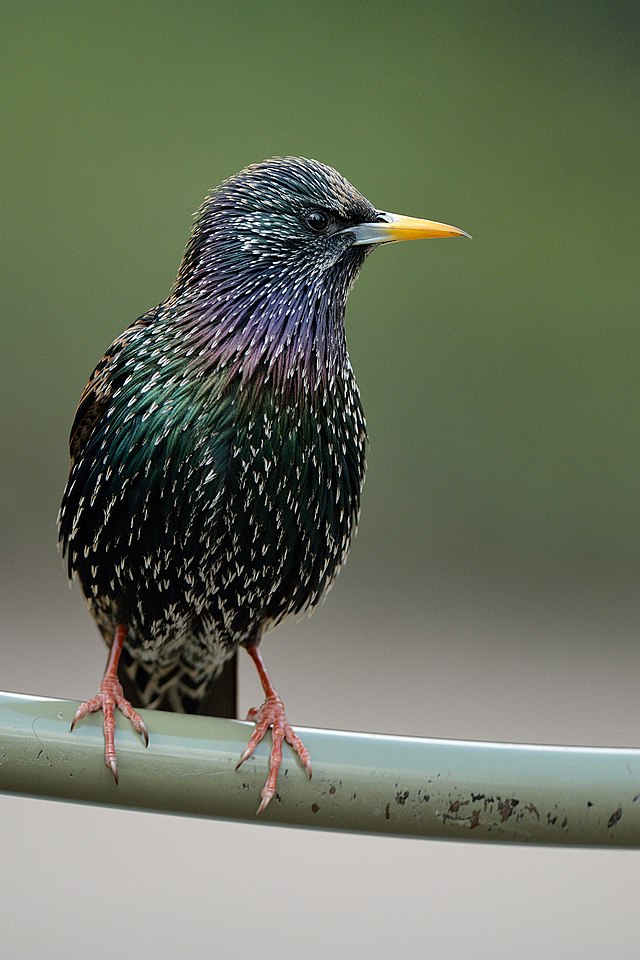
Amazingly, all the European starlings in this country descended from 100 birds that were deliberately set loose in New York’s Central Park in the 1890’s by colonists who wanted to see the birds they missed after immigrating to the US. Soon there were more than two million birds that ranged from Alaska to Mexico. All are closely related.  Sometimes if a female misses the first nesting she will try to lay an egg in other bird’s nests. They are wonderful mimics learning the calls of up to 20 species of birds like the pewee, killdeer, wood thrush, red tailed hawk and robin to mention a few.

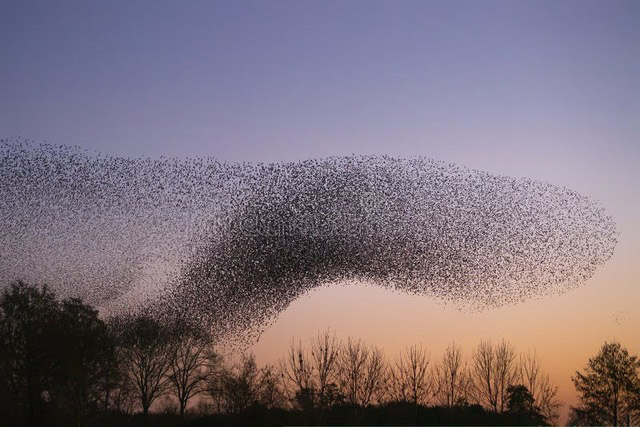
Starlings turn from spotted and white to glossy and dark each year without shedding their feathers. The new feathers that grow in have white tips. These are the spots that disappear by spring as the feathers turn dark and glossy. These birds are incredibly strong fliers as is evidenced by the extraordinary starling murmurations that still occur throughout the fall and winter all over Europe.

Continue reading “The Natural History of Starlings by Sara Wright”

The Sky Dancers by Sara Wright

December is a poignant month for many people, including me. Although I find the darkness comforting, winter stillness a gift, I do not celebrate the season as others do.

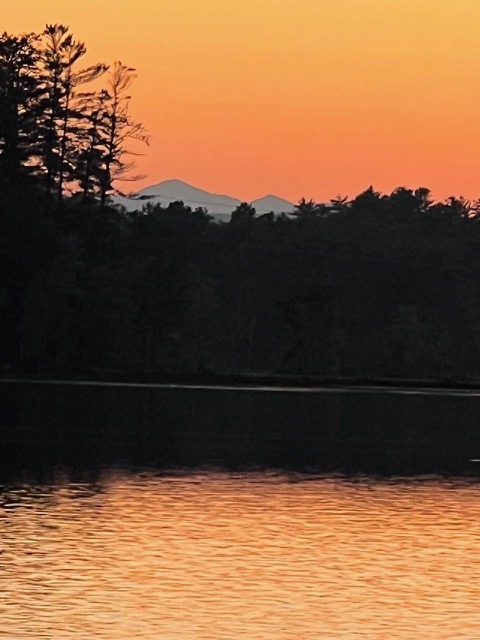
I begin December by bringing in the dawn each morning (if it’s clear) by standing outdoors in the cold watching Sirius, the dog star fade…Some mornings the sky turns rose, tangerine, or gold as clouds slide over the horizon or billow up like cottony balls of fluff. The air is fresh, fragrant, and clean. I listen for the first birds, the female cardinal’s chirp, the chickadees, and doves have yet to appear – these daily ‘morning mysteries’ are spontaneous and acted out in gratitude without thought.

 This month is a time of remembrance …  I think of people I loved, some I did not, those I lost…  

Continue reading “The Sky Dancers by Sara Wright”

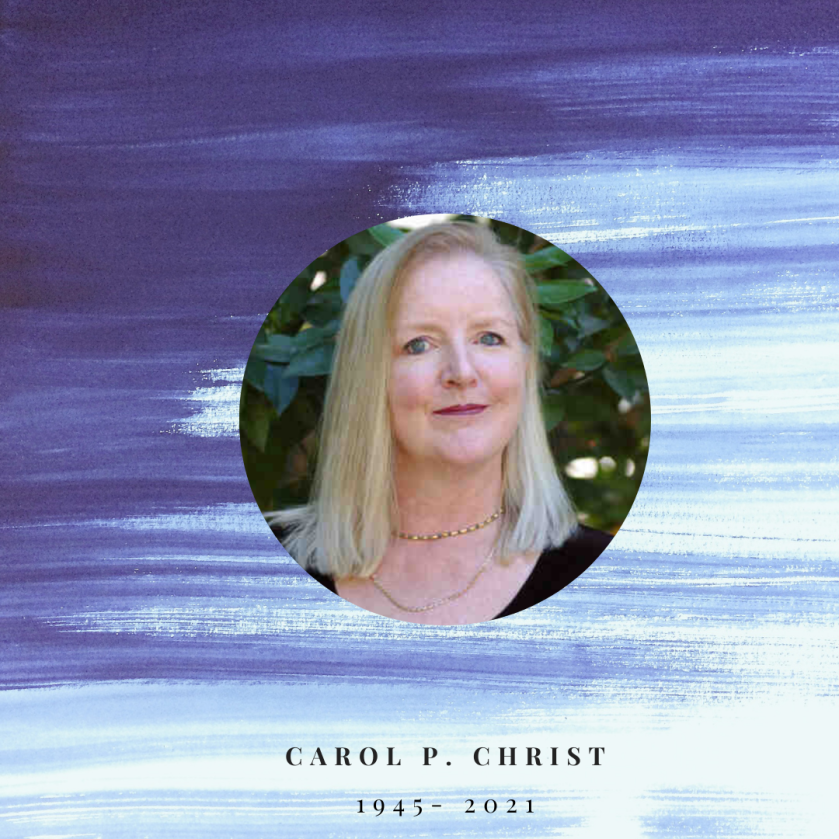
Legacy of Carol P. Christ: In the Web of Life — No Exceptions

This was originally posted December 2, 2011

Does God love me more than She loves my doggies? Does She love animals more than She loves trees and flowers? Does She love trees and flowers more than She loved the first cells that formed in the waters of our planet? Did She not also love the atoms and particles of atoms that coalesced to form the earth?

In her books Sacred Gaia and Gaia’s Gift Anne Primavesi questions the notion that the dialogue between God and the world began with “our entry onto the scene.”  Primavesi argues that “human exceptionalism,” the view that the world exists for us, and that we are an “exception” to the world, has been and is the predominant Christian view.  In the stories of Adam and Noah, God gives dominion over the creatures of the earth to man.  Theologians asserted that of all the creatures that inhabit the earth, only man is in the image of God, and the image of God in man is found in his rational intelligence, which is shared with no other creature.  Because he is in the image of God, man will escape death, which is the lot of every other living thing.  Rather than challenging human exceptionalism, modern science furthered it, asserting that “matter” was “dead,” and that therefore it was right and just for man to subdue “nature” through technology and to harness it for his needs.  

Continue reading “Legacy of Carol P. Christ: In the Web of Life — No Exceptions”

THE EARTH AS GRANDMOTHER by Sara Wright

I have become increasingly uncomfortable with the phrase ‘the earth is our mother’ used by so many westerners.

Indigenous peoples have been in an intimate relationship with the earth since the beginning of time so for them calling the earth “Mother” makes perfect sense (they know how to treat her with respect).

 In my way of thinking westerners who appropriate the Native perspective, co -opting the sentiment to make it their own feels inauthentic and inappropriate.

The most glaring difference between the two perspectives is that Indigenous peoples consider all living beings their relatives, treating them with deep respect, honoring their individual and collective gifts and by NEVER taking more than they need, be it medicines, trees, animals, or plants for food.

Continue reading “THE EARTH AS GRANDMOTHER by Sara Wright”

Winter Solstice: Celebration of the Powers of Fire by Sara Wright

I have a problem with the belief that Winter Solstice is primarily about celebrating ‘the coming of the light.’ This one – sided thinking negates the cross-cultural reality that this is a festival during which candles are lit to light up the night and roaring fires blaze inside and out bringing warmth to all. Winter Solstice is above all else a Festival of Fire.

Fire is an ambiguous element (as all the elements are) carrying both a positive and negative charge. On one level fire brings warmth and light on cold winter nights. On the other hand, fire also incinerates, destroying everything it touches. Approaching a Festival that celebrates the Element of Fire should be done with consciousness and caution.

Continue reading “Winter Solstice: Celebration of the Powers of Fire by Sara Wright”

Lilliputian Gardening by Sara Wright

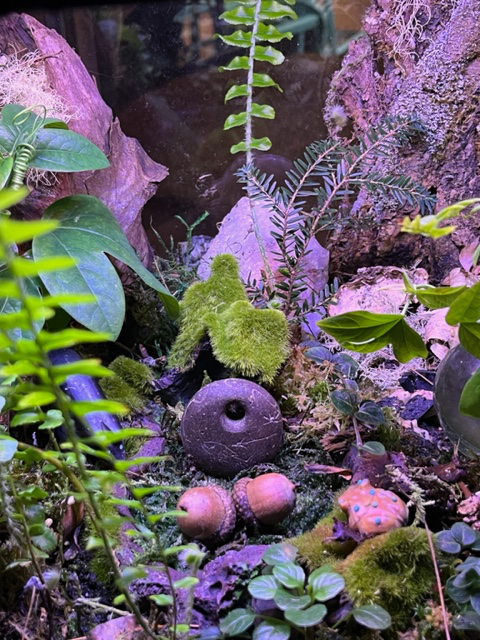
Fall terrarium

This November morning a slate gray sky sprinkled raindrops on the dogs as I stood outdoors with them at dawn. A single Blue jay peered at us from a bare maple branch with obvious interest. Hairy was absent as were the chickadees. It is warm enough today for insects to be out and about, becoming delectable protein rich food for most birds in Fern Hollow, my home. Just two days ago I had a visit from a ruby crowned kinglet when he flew in the door!

 Returning to the house, ‘Mary’s Garden’ cast a warm emerald glow lighting up the kitchen, now shrouded in winter gray. My terrarium, now one year old is moving into late fall, and yet many of her plants are still growing, albeit more slowly. The tiny hemlock seedling is bristling with new needles. A few ferns still unfurl; others have disappeared. The creeping partridgeberry has kept her crimson seeds for a whole year.

Continue reading “Lilliputian Gardening by Sara Wright”

Shifting Landscapes by Sara Wright

(Written on Oct. 27)

 Adjusting to earth changes is as much of a personal challenge as is my aging process… The earth and I are both struggling to survive the age of the Anthropocene. Hard times.

It’s late October and the next turning of the wheel will soon be upon us. The Days of the Dead. Honoring the Ancestors, those who came before… I think of the Sandhill cranes flying south in loose family aggregations and believe some of my ancestors must be these birds… I missed seeing them this year due to an accident, but say earth prayers for their safety on the wing… I remember my Grandmother.

Continue reading “Shifting Landscapes by Sara Wright”

Witches in the Weeds by Sara Wright

There she is in flight,

a shooting star on fire.

There she spirals eyeless

her blue wind births chaos.

There she moans bitterly

churning up dark waters.

There she plows fiercely

heaving up  mountains.

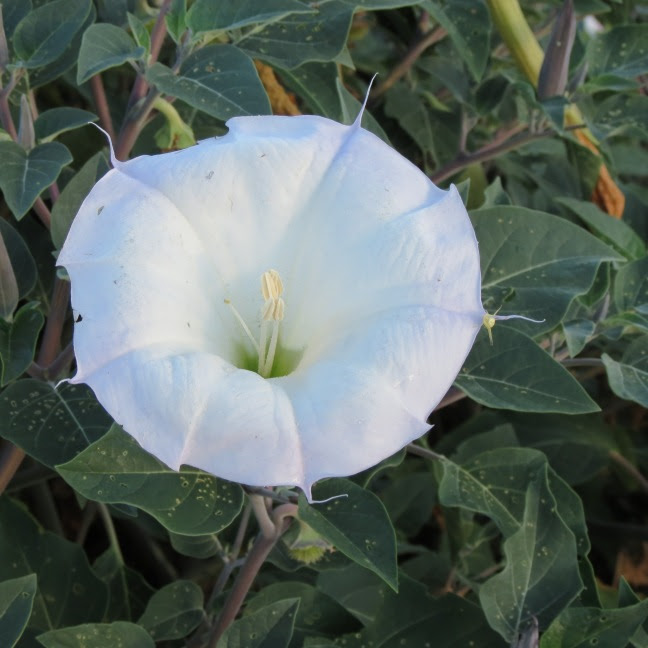
Her Datura pods explode,

broadcasting black seeds ..

Fire, Air, Earth and Water –

Old women stir the cauldron.

Shapeshifting into birds

they stalk fish in every marsh.

Black crowned night herons?

Owls with second sight?

Ah, these are the women with wings…

soaring through the night.

Listen to the reeds applauding.

Brown Cattails are humming.

Bitterns sing love songs to

Witches in the Weeds!

Continue reading “Witches in the Weeds by Sara Wright”

The Scarlet Runner Outside My Window by Sara Wright

I have grown scarlet runner beans ever since I can remember. I have heirloom seeds that I collect every fall to dry and store for the winter. During the last few years as the weather began to shift planting became tricky. The deer were also decimating my plants before they could produce seeds pods so eventually after sharing seeds with others, I gave up growing my own…

Last winter I had an opportunity to look at lichens, molds, and stones under a powerful microscope at the Mineral and Gem Museum (MGM) and since I had one old seed from many years past, I took it in along with some slime molds because I wanted to see the colors. To my utter shock when I opened the damp packet the seed had produced a big fat white root.

Continue reading “The Scarlet Runner Outside My Window by Sara Wright”