From the Archives: Writing Through the Body: Betty Smith’s A TREE GROWS IN BROOKLYN by Joyce Zonana

This was originally posted on April 29, 2017

In her 1975 manifesto, “The Laugh of the Medusa,” French feminist Hélène Cixous urges women to write: “Writing is for you, you are for you; your body is yours, take it. . . . Women must write through their bodies, they must invent the impregnable language that will wreck partitions, classes, and rhetorics, regulations and codes . . .”

“The Laugh of the Medusa” remains a thrilling essay, challenging and inspiring women to “return to the body” and to language.  “Woman must write woman,” Cixous insists, “for, with a few rare exceptions there has not yet been any writing that inscribes femininity.”

Continue reading “From the Archives: Writing Through the Body: Betty Smith’s A TREE GROWS IN BROOKLYN by Joyce Zonana”
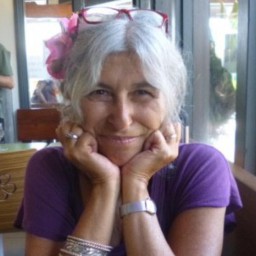
Letting Go by Joyce Zonana

How many objects have I clung to, how many pasts have I tried to preserve–beginning, of course, with the first loss, of Egypt where I’d been born and where my family had flourished? How many habits, feelings, fears, and beliefs continue to constrain me? The new year approaches, and my resolution today is simple: to let go. Again and again and again. As often as it takes.

temp_0218_Zonana_JoyceDuring the summer of 2005, I was living alone on Venus Street, in New Orleans’ Gentilly Terrace neighborhood, in a small Craftsman cottage I’d purchased two years earlier after breaking up with my longtime partner. I loved the house: modest yet gracious, it had a dining room with French doors that opened onto a screened porch, gleaming wood floors, cove ceilings, numerous multi-paned windows, a large bedroom, and a comfortable study looking out on royal palm trees where a flock of green parrots nested. I liked to think it resembled the home my parents had left behind in Cairo, Egypt when they emigrated to the U.S. in 1951.
For the first time ever, I’d carefully chosen and purchased furniture specially for the new space: a wide, heavy, round wooden dining table; a velvet camelback sofa; a coffee table, lamps, curtains, and a hooked rug. This was my “dream home,” the room of my own I’d always longed for, and I dwelt there in deep contentment–gardening, reading, writing, entertaining. Continue reading “Letting Go by Joyce Zonana”

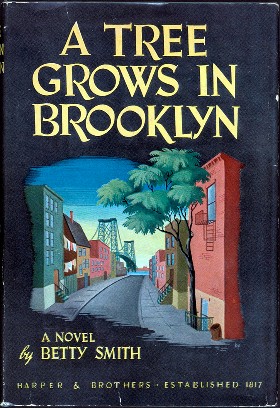
Writing Through the Body: Betty Smith’s A TREE GROWS IN BROOKLYN by Joyce Zonana

 TreeGrowsInBrooklynIn her 1975 manifesto, “The Laugh of the Medusa,” French feminist Hélène Cixous urges women to write: “Writing is for you, you are for you; your body is yours, take it. . . . Women must write through their bodies, they must invent the impregnable language that will wreck partitions, classes, and rhetorics, regulations and codes . . .”

“The Laugh of the Medusa” remains a thrilling essay, challenging and inspiring women to “return to the body” and to language.  “Woman must write woman,” Cixous insists, “for, with a few rare exceptions there has not yet been any writing that inscribes femininity.”

Although Cixous may not have been aware of it, Betty Smith’s beloved, perennially popular 1943 novel, A Tree Grows in Brooklyn is one of those “rare exceptions” that “inscribes femininity” in precisely the way she advocates. This autobiographical novel, so often dismissed as sentimental or as a children’s book, is actually written through the female body—which may explain its lasting popularity and power. Continue reading “Writing Through the Body: Betty Smith’s A TREE GROWS IN BROOKLYN by Joyce Zonana”

Liberations of Immigrant Women in Western Religious Conversion by Andreea Nica

Andreea Nica, pentecostalismThe prolonged debate around feminist subjectivity and religious participation continues to evoke much compelling discussion in academia, political arenas, and public space. There have been a number of academic studies around the intersection of gender, religion, and migration, specifically on how gender and immigration assimilation is constructed and managed within western religious systems.

I am currently researching the trajectories of immigrant assimilation and conversion, and how gender relations and religious identities are managed within these processes to further develop my proposal for doctoral study. I find this area of research fascinating as it’s so diverse and pertinent to the progression of gender equity amongst religious participants. Continue reading “Liberations of Immigrant Women in Western Religious Conversion by Andreea Nica”

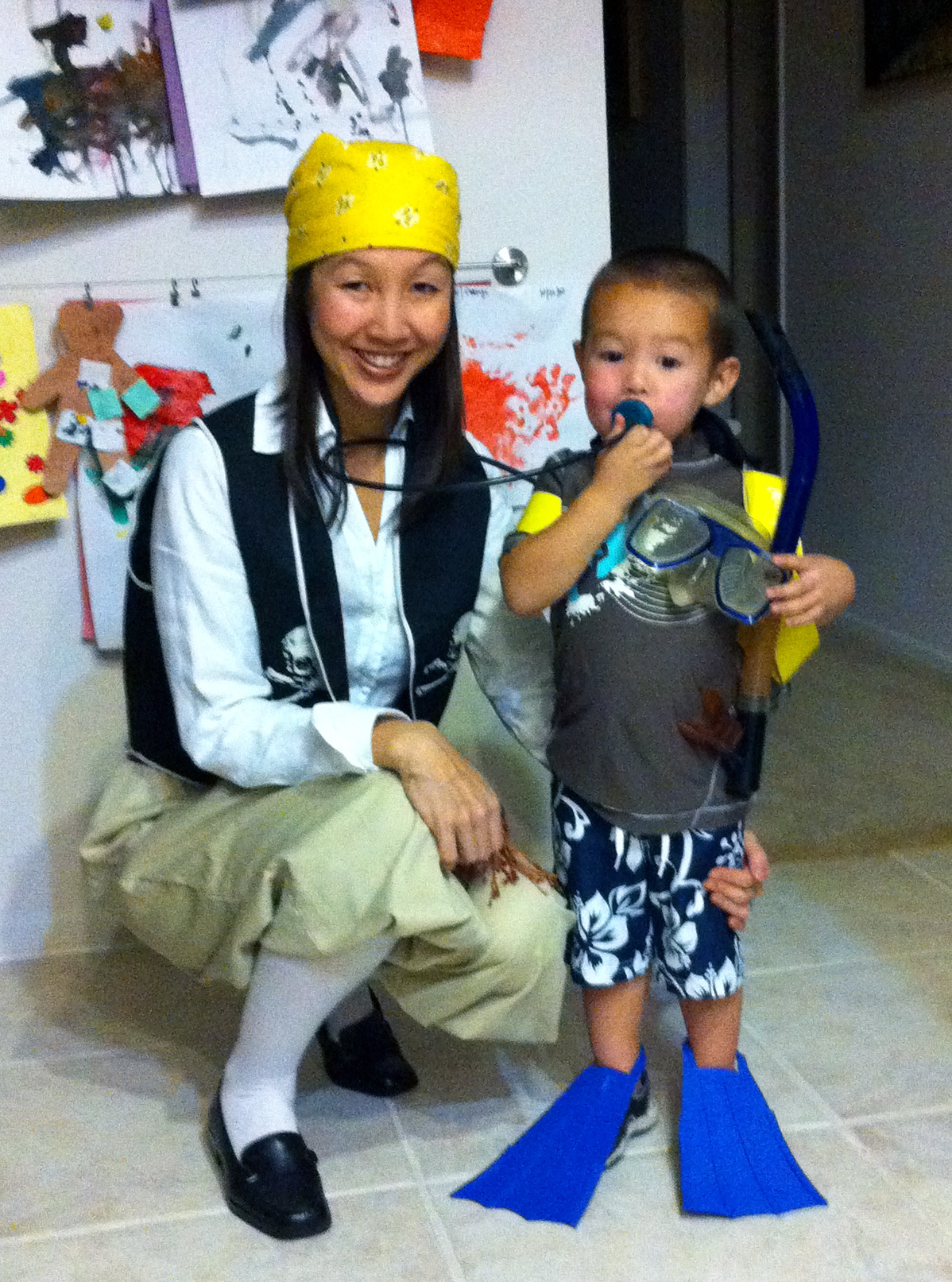
Halloween Matters: An Immigrant Family, Christian, and Feminist Parenting Perspective by Grace Yia-Hei Kao

“I had realized that my parents legitimately had more important things to do than to carve pumpkins or buy costumes. But as a young child, I equated participating in the cultural phenomenon that is Halloween with being an American. I, as a daughter of immigrants, just wanted to fit in and join the fun.”

Continue reading “Halloween Matters: An Immigrant Family, Christian, and Feminist Parenting Perspective by Grace Yia-Hei Kao”