

Part 1 was posted yesterday
Praying people out of purgatory
Beguines excelled at this. By the Middle Ages, the belief in many Christian circles was that one did not go directly to heaven but to a sort of “holding place” after death to be cleansed of their sins before being allowed into heaven. Eventually “the medieval church also taught that people could pray for the souls in purgatory and that their prayers would effectively aid those souls in their transition from purgatory to heaven”(108).
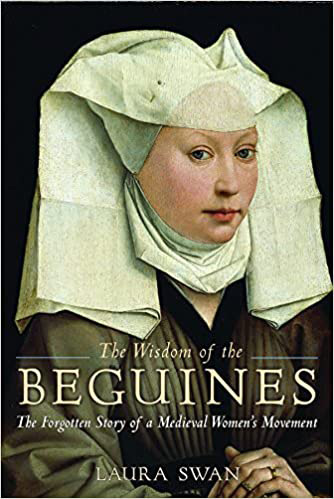
It’s important to note that these women were esteemed by the communities they lived in as spiritually gifted, able to intercede with God on their own without permission from the church, clergy or men. This is radical for the time.
“Beguines, as we have seen, were understood to have extraordinary spiritual powers. People believed that having a beguine intercede before God on their behalf was an assurance that their petition was heard by God—and perhaps in no instance more than for “those poor souls in purgatory.” And beguines believed that they did indeed exercise the authority to release countless souls from purgatory. Many of the stories included in the vitae of beguines grapple with the fate of the deceased in purgatory (or hell)”(109).
Continue reading “The Wisdom of the Beguines: The Forgotten Story of a Medieval Women’s Movement by Laura Swan, part 2 by Theresa C. Dintino “ Happy Valentine’s Day! I know, I know… so many of us do not like this holiday. It’s too commercialized, we say. We don’t need card-makers or florists to tell us how or when to show affection. Some of us don’t like Valentine’s Day because it reminds us of loves we have lost or never found. I get it. This day can seem shallow, overhyped, and falsely sentimental. It can be lonely. And yet, I won’t let today pass without celebrating and honoring love. Love is too important to concede to commercial interests.
 Feminism and Religion