

Part 1, appeared yesterday.
There are many women named Rose in the ledgers of unfree people in Charleston around 1850. The defining feature to find the Rose mentioned on this sack is that her daughter is named Ashley, not a common name for Black female children of the time. Miles finally locates a Rose and an Ashley in the inventory of Milberry Place Plantation, a country estate of a man named Robert Martin. When Martin died, his estate was liquidated and thus the mention of the sale of Ashley.
“Ashley is listed among one hundred unfree people in the inventory of Martin’s enslaved property taken in the year 1853. Her attributed value of $300, in comparison to that of other women listed at $500 and $600 in the cotton boom decade of the 1850’s, suggests that she may have been a younger or relatively unskilled worker”(69).
Things were bad enough for unfree people but the disruption that came like a tsunami through their lives when an enslaver died and his property was sold was a fear most carried and trembled at the thought of. Unfree families were always being torn apart in the time that slavery was legal and allowed in this country, but when estates were being divided up, it became particularly excruciating and this is what came to pass for Rose and Ashley.
Continue reading “All That She Carried by Tiya Miles: Recovering the Untold Stories of Black Women in America, part 2 by Theresa Dintino”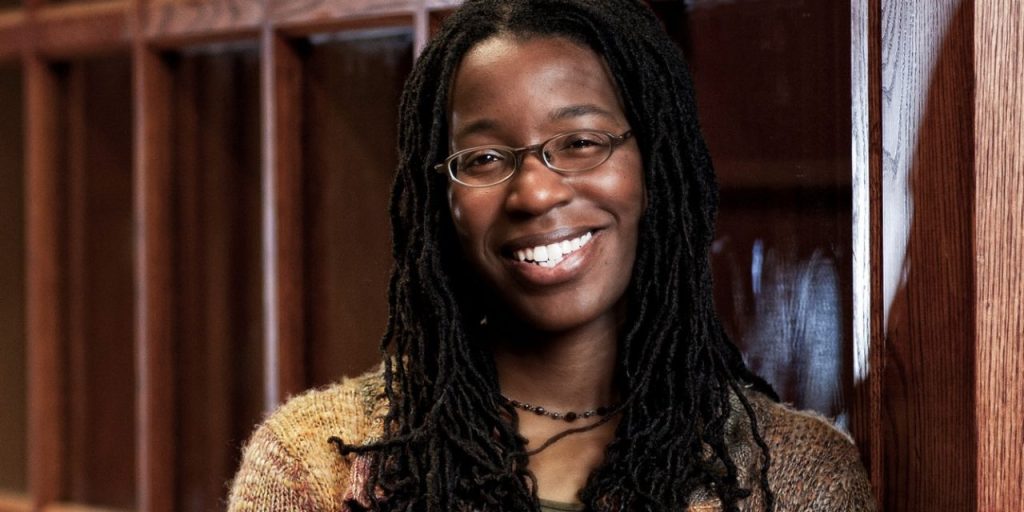


 Feminism and Religion