Herstory Profiles: Bletchley Park, the 6888th, and Communication by Anjeanette LeBoeuf

There is so much going on in our current state of affairs, that I found myself reaching for some sort of touchstone, centering agent, even some sort of calming force. As a scholar, as someone drawn to the humanities, I knew the path forward had to include our histories. This post will look at three examples of extraordinary women during WWII and beyond: the 6888th Unit, the women of Bletchley Park, and Julie Moore.

All three were introduced to me through popular culture, storytelling, and our dedication to preserving whole histories. At a time where we are seeing an active attack on our histories, humanities, arts, and our education systems it is even more vital that we continue to tell the stories, remember their names, and continue to walk the paths they have forged.

Continue reading “Herstory Profiles: Bletchley Park, the 6888th, and Communication by Anjeanette LeBoeuf”
Herstory Profiles: Indian Royalty, Suffragette, Women’s Rights Activist by Anjeanette LeBoeuf

April is Sikh Awareness month which is incredibly important this year due to what is currently happening in the Punjab by the Indian Nation State. If you haven’t heard about the government shutdown largely targeting Sikhs, you can read here. To keep the focus on the Sikh Community, this post will be focused on the amazing royal turning fierce activist and suffragette – Sophia Duleep Singh.

Continue reading “Herstory Profiles: Indian Royalty, Suffragette, Women’s Rights Activist by Anjeanette LeBoeuf”

A Short History of Maligned Women by Mary Sharratt


Women who stand out and dare to seize their power have been maligned throughout history. Even today many people are uncomfortable about the very idea of a powerful woman. Witness how Hillary Clinton was demonized in the 2016 presidential campaign. What other U.S. presidential candidate has been called “nasty” by their opponent or had their opponent literally looming over them during a live televised debate? Even women who would never dream of running for political office face every day misogyny and threats of violence for daring to speak out on the internet. It doesn’t matter what the woman has to say—the fact that she has spoken out at all has made her a target.  

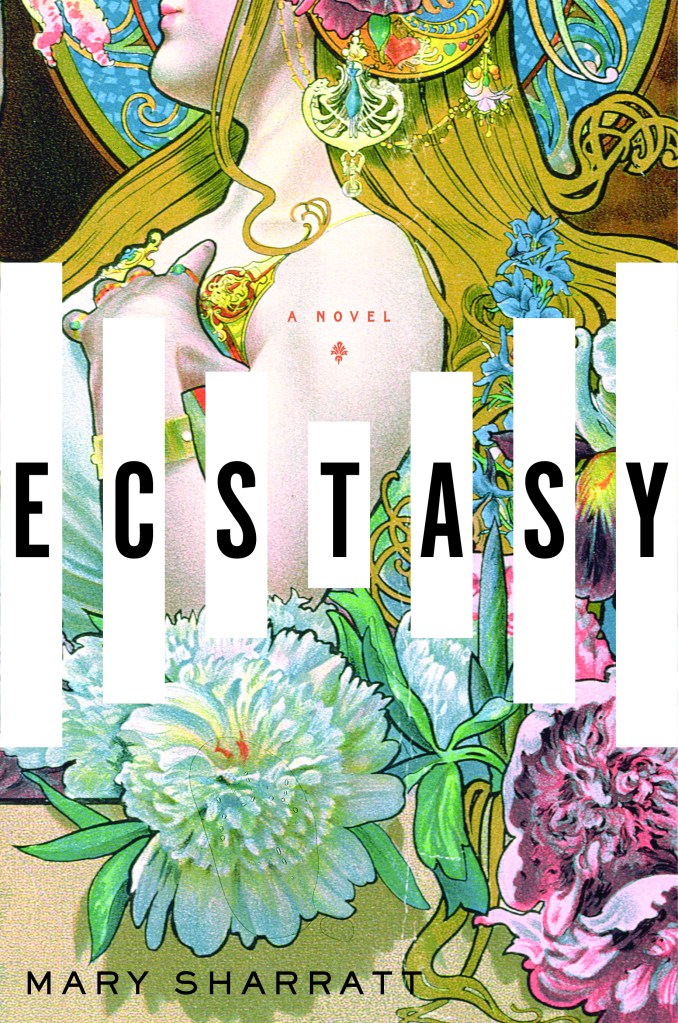
I certainly encountered the “such a nasty woman” phenomenon while researching Alma Schindler Mahler, the protagonist of my new novel Ecstasy. Born in Vienna in 1879, Alma Maria Schindler was an accomplished pianist and aspiring composer who gave up her own music as a condition for her marriage to the great composer, Gustav Mahler. Later, after a marital crisis, she returned to composing and published three collections of her songs. She was married to—or had affairs with—some of the greatest creative geniuses of her time, including Gustav Klimt, Walter Gropius, Oskar Kokoschka, and Franz Werfel. She was also a pioneer in the field we now call artistic management and her networking skills benefited the men she loved. But one would hardly know about her talents and gifts to read the biographies written about her.

Continue reading “A Short History of Maligned Women by Mary Sharratt”

Shakespeare’s Sister Revisited: A Circle of Female Lineage by Mary Sharratt

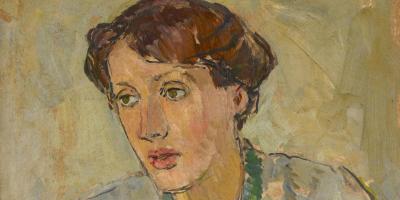
Vanessa Bell’s painting of her sister, Virginia Woolf

What do groundbreaking 17th century poet, Aemilia Bassano Lanier, and 20th century feminist icon, Virginia Woolf, have in common? A lot actually.

In her 1929 essay, “A Room of One’s Own,” Woolf imagines the tragedy of Shakespeare’s brilliant sister, Judith, barred from the grammar school because of her sex and forced to hide her writing from her family. To escape a forced marriage to a man she hates, she runs away to London to seek her fortune in the theatre, only to end up pregnant, abandoned, and destitute. Out of despair, she kills herself. Continue reading “Shakespeare’s Sister Revisited: A Circle of Female Lineage by Mary Sharratt”

Mother Demdike, Ancestor of My Heart, Part 1 by Mary Sharratt


beltaine-pendle-view

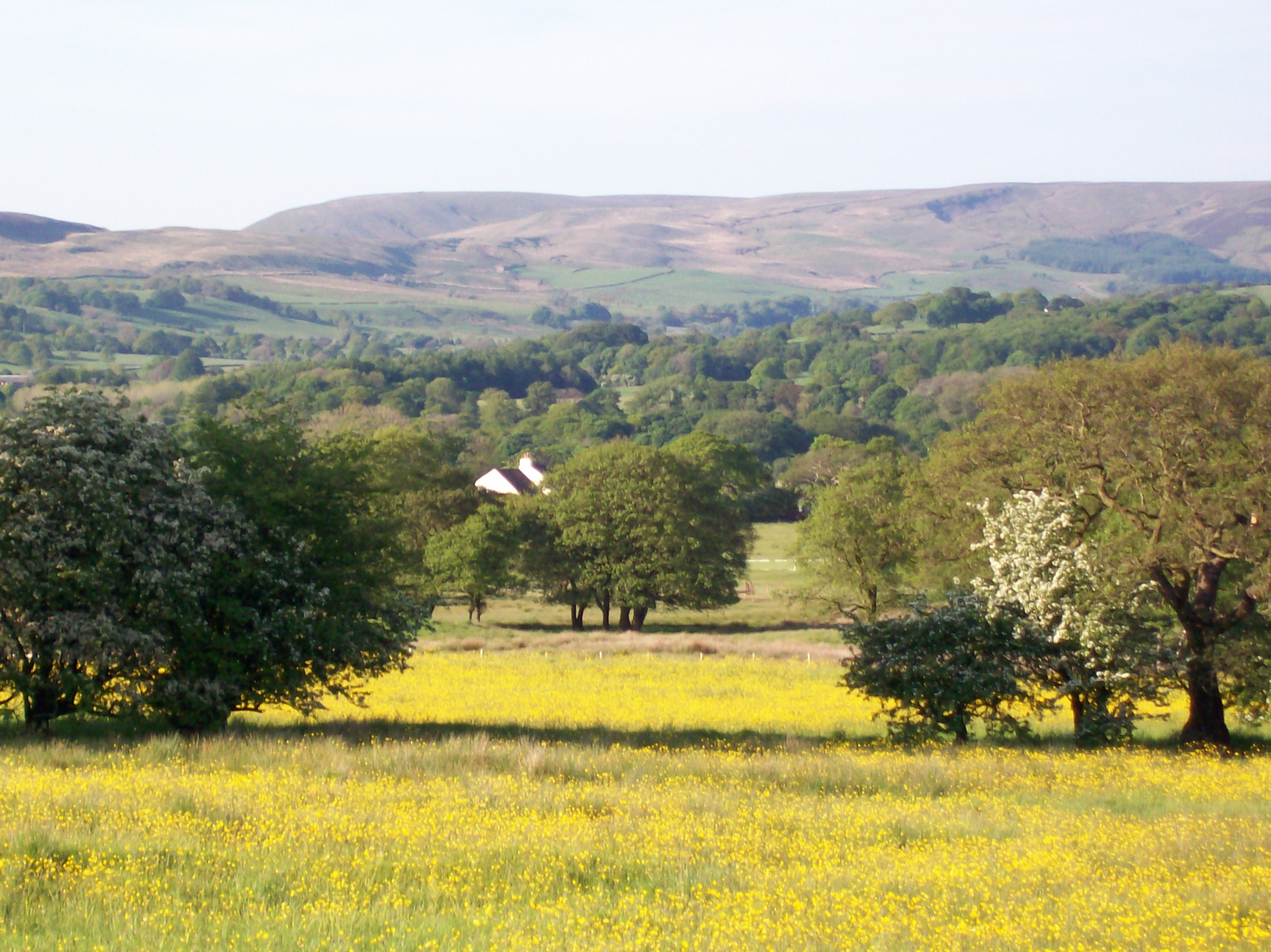
Pendle Hill, seen from the back of my house, in May.

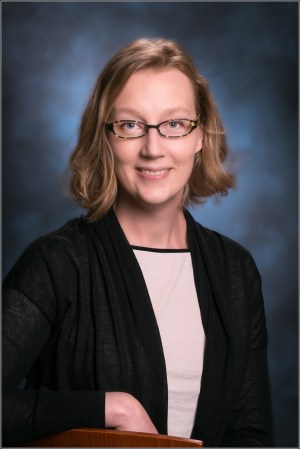
mary sharrattThe Soul of Gaia is the numinous earth beneath my feet, her soil cradling the bones and the stories of the ancestors who have died into the land and become part of the ever-living spirit of the place.

An expat writer, my home is everywhere and nowhere. A wanderer, I have lived in many different places, from Minnesota, my birthplace, with its rustling marshes haunted by the cries of redwing blackbirds, to Bavaria with its dark forests and dazzling meadows and pure streams where otter still live. But I don’t know if any place has touched me as deeply as Lancashire, England, my home for the past fifteen years. Continue reading “Mother Demdike, Ancestor of My Heart, Part 1 by Mary Sharratt”

Weaving and Spinning Women: Witches and Pagans by Max Dashu: Reviewed by Carol P. Christ

carol p. christ photo michael bakasMax Dashu’s  Witches and Pagans: Women in European Folk Religion 700-1000 challenges the assumption that Europe was fully Christianized within a few short centuries as traditional historians tell us. Most of us were taught not only that Europe became Christian very rapidly, but also that Europeans were more than willing to adopt a new religion that was “superior” to “paganism” in every way. Careful readers of Dashu’s important new work will be challenged to revise their views. When the full 15 volumes of the projected series are in print, historians may be forced to hang their heads in shame. This of course assumes that scholars will read Dashu’s work. More likely they will ignore or dismiss it, but sooner or later–I dare to hope–the truth will out. Continue reading “Weaving and Spinning Women: Witches and Pagans by Max Dashu: Reviewed by Carol P. Christ”

Katharine Bushnell—The Most Important Christian Feminist You’ve (Probably) Never Heard Of by Kristin Kobes Du Mez

037 DuMez 2015 photo shootKatharine (Kate) Bushnell (1855-1946) was by any measure a remarkable figure in the history of Christian feminism. A global anti-trafficking activist and author of God’s Word to Women, a fascinating feminist theology that recasts the entire biblical narrative as a story of liberation for women, Bushnell was once widely known throughout the late-nineteenth-century Protestant world.

A Midwestern Methodist, Bushnell came of age in Evanston, IL. After a brief stint as a medical missionary to China, she helped launch the American “social purity” movement by leading a dramatic exposé of the trafficking of women in Wisconsin lumber camps. Drawing attention to the injustices women faced under the Victorian sexual double standard, Bushnell helped break the “conspiracy of silence” that inhibited discussion of sexuality among “respectable” women and men. She then took her activism overseas, where she exposed the abusive practices of the British army in colonial India, particularly when it came to the confinement and abuse of local women in military brothels. Continue reading “Katharine Bushnell—The Most Important Christian Feminist You’ve (Probably) Never Heard Of by Kristin Kobes Du Mez”