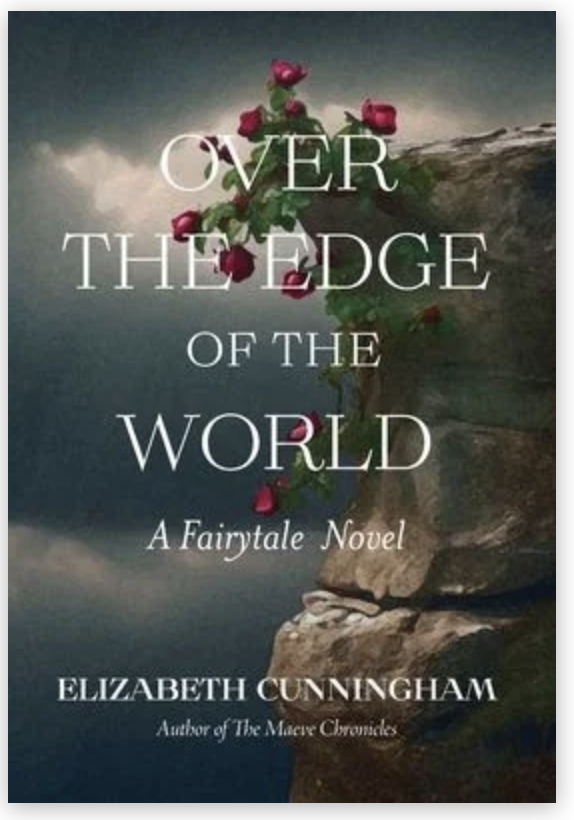
Introduction: An old woman, Rose begins spinning the tale the children never tire of hearing. Grannies Sweep, Spark, Dirt, and Brine, were old, so old, they forgot who they were and how they came to live where they did: a sheer pinnacle, a walking forest, an old shoe, a ship moored off a hidden shore.
But Rose has never told the whole story—to anyone. The story of a world these children have never seen, where the rich lived inside a vast dome, protected from heat and cold, rain, wind—and hunger. Nor do the children know about madness or cruelty. She has never told them about Noone, the power behind the dome, his obsession with immortality.
If she never tells these stories, who will remember the bravery of the beauty singers who daily risked the ultimate penalty—being thrown over the edge of world. Who will remember the intrepid children who danced defiantly on the dung heaps. If Rose does not tell her own story, who could imagine her birth deep inside the dome, the dangerous secret of her existence. A secret guarded her two huge aunties, once ragged outside boys, who became outrageous bodyguards in towering wigs and heels. To protect the new world and the people she loves, it is time for Rose to tell…
Continue reading “Elemental Grannies: Snippets from Over the Edge of the World, A Fairytale Novel by Elizabeth Cunningham”






 Feminism and Religion