One of my oldest friends who I met when I was eight years old reached out to me the other day saying that if there was ever anything she could do, please let her know. She lives in another state far away but is a subscriber to one of my blogs so she has been aware of the various things going on in my life (second divorce, so many changes and transitions in my life yet again, etc.)
Her note said if there was ever anything she could do to help, just let her know.
And I thought to myself: hmmmmmm.
You see I just put a new feature on my app where it emails local events to local users, and one of the first steps in getting this to work is having those local events on the app. So I asked her if she would mind helping me put local events on the app.
We had not actually talked in a long time, and when we had a zoom call to discuss this, I broke down crying.
I felt the pity from her. I also saw just how far I had departed from ‘normal.’
Sometimes we think of Greek myth as a pre-patriarchal or less patriarchal alternative to the stories of the Bible. After all, Goddesses appear in Greek myths while they are nearly absent from the Bible. Right?
So far so good, but when we look more closely we can see that Greek myth enshrines patriarchal ideology just as surely as the Bible does. We are so dazzled by the stories told by the Greeks that we designate them “the origin” of culture. We also have been taught that Greek myths contain “eternal archetypes” of the psyche. I hope the brief “deconstruction” of the myth of Ariadne which follows will begin to “deconstruct” these views as well.
Ariadne is a pre-Greek word. The “ne” ending is not found in Greek. As the name is attributed to a princess in Greek myth, we might speculate that Ariadne could have been one of the names of the Goddess in ancient Crete. But in Greek myth Ariadne is cast in a drama in which she is a decidedly unattractive heroine.
During late summer a few years ago I had a vision. I know it was summer because it was hurricane season and there were several active storms in the Atlantic & Caribbean. Since I grew up in Florida and lived in New Orleans for many years, I have a lot of experience with hurricanes.
In this vision, I found myself seated at the side of the Great Mother Goddess looking down thru a portal at planet Earth. The Goddess looked at me and then turned back to the portal. She put a finger out and touched a place on the planet with a spark of light. Then She turned to me and said, “The energy must be discharged!” She repeated this multiple times and ultimately put her finger on planet Earth five times, each time touching a spot where a hurricane was active.
If I squint, I can almost see steam lifting from a cauldron in the forest and smell change drifting through the air. I am looking at the shards of the year, some new-broken, some re-collected, some shining with possibility, and I feel the call, the urge, the promise, to tip them all into that bubbling vat and see what She will steep me into next.
Each year, in August, I honor what I call a “Cauldron Month” for myself. This is a month in which I “take it all to the cauldron” and let it bubble and brew and stew and percolate. I pull my energy further inward to let myself listen and be and to see what wants to emerge. It is a month in which I delete my social media apps and mindfully, intentionally draw my scattered attention inward in order to listen to my inner wisdom, to take all of my bubbling ideas to the metaphorical cauldron of my own being and see what is brewing, what is stewing, and what is ready to be dished up. I clarify goals for the remainder of the year, my next word of the year usually finds me, and I take time to consciously “steep” in my own flavor. It is a time of clarity and renewal for me, a time when I withdraw from outer life and re-collect my energy in order to determine where to put my focus for the remainder of the year.
It may seem strange to withdraw energetically at such a ripe and burgeoning time of the year, when life is bursting with things to harvest and ideas to share, but that is exactly why I do it—because when life feels the most full, is when I known I most need some dedicated time of discernment. August, I find, is always a crucible of change and choice for me. It is when big projects are birthed, when new doors open, and when I reach metaphorical crossroads of change—crossroads in which I decide what to harvest, see what has withered, and come to understand what to sacrifice.
We are held between summer’s fatigue and summer’s fire, there has been a blooming and a ripening, and now a harvesting and a fading, as the time comes to turn the page.
Cauldron Month dates back to 2016, a year in which my pace of living became unsustainable and I experienced a persistent and inexplicable cough that lasted for six full months. After this experience, I came to clearly see a pattern in myself, of speeding up and revving harder and harder through the spring and summer, until I reach an annual point of having taken on too much, in which I must make choices about what to let go of and what to pursue. It helps to know it, to name it, to say to myself: oh, yes, this. Cauldron time is here again. The understanding of this pattern has helped me to prepare for it, when I feel the familiar tension, the drive to push and speed, I step back instead. I sit down. I shut things off. I get still and I listen.
That first year, feeling overwhelmed by commitments and at my physical and temporal limits. I did a guided meditation called the Moon Goddess Ally Journey. During the meditation, in the temple in which I met the moon goddess, right as the meditation was coming to a close, the Cauldron from the Womanrunes oracle card system appeared quite clearly etched on the floor of the temple–it was very large, covering the whole floor, and felt like a dramatic and powerful wake-up call. I knew in this moment: I need to take my life into the Cauldron. I need to see what is brewing. I need to steep in my own magic. August has never been the same since.
Future Cauldron Months after have held varying experiences—some rich and powerful and some painful and challenging, what they all hold in common is that they illuminate the next steps and invite me into the next chapter. Some years I’ve joked with friends have been “Slow Cooker Months” instead and some years—like 2020—have felt like Cauldron Years, in that the whole year is a process of transformation and re-emergence. I have written some more about these experiences in a past post for FAR here.
Each year, I do what I can to honor the call of the Cauldron—persistent and insistent—and in so doing I remember that it is often in the mess that the story lives. What sometimes bubbles up from the Cauldron during this period of incubation isn’t particularly pretty, it can even be hard to confront, and yet, we continue to let it bubble, we continue to breathe and bear witness to our own interior lives, beyond the clamor and confusion of so many other voices that may fill our lives and days.
The Cauldron is a rune of alchemy and change, but also of centering of containment and contemplation—a marrying of what might seem like opposites, but that which really co-exist. During this month or another one that feels right to you (a lot of people choose December or January), consider taking it all to the metaphorical Cauldron of your life…what are you cooking? What flavors do you want to add? What do you want to create? What needs time and focus to bubble and brew? Can you allow yourself to steep in your own flavors? The Cauldron asks us what we’re cooking, but it also offer boundaries, containment, a safe space in which to stew up our truest magic.
May you be inspired by some time in cauldron, may you be inspired by time with yourself, may you be inspired by that which surrounds you, connected to Goddess, connected to the earth, connected to the animals, plants, the wisdom of the wind, the song of branches, and the symphony of river, stone, leaf, and breath.
Take it to the Cauldron and listen to the deep within.
Sending you all love. Glad to share some of the miracle of being here with you.
There are days when the sky holds its breath and dreams seep up from the skin of the world and into my feet.
Molly Remer, MSW, D.Min, is a priestess, mystic, and poet facilitating sacred circles, seasonal rituals, and family ceremonies in central Missouri. Molly and her husband Mark co-create Story Goddesses at Brigid’s Grove. Molly is the author of nine books, including Walking with Persephone, Whole and Holy, Womanrunes, and the Goddess Devotional. She is the creator of the devotional experience #30DaysofGoddess and she loves savoring small magic and everyday enchantment.
Labyrinths are magical. I’ve always been drawn to them. About two years ago, a local Episcopalian Church rebuilt their beautiful outdoor labyrinth and opened it to the public. In concert with them, I have been delighted and honored to offer guided walks there. Doing these walks, both in leading them and in walking myself, have given me the opportunity to reflect deeply on what they mean from many perspectives: historical, personal, spiritual, philosophical, experiential.
When I walk a labyrinth, it feels like I am mirroring the universe while expanding my internal journey. Teresa of Avila agrees with me (or, more accurately, I with her). She wrote, “If we learn to love the earth, we will find labyrinths, gardens, fountains and precious jewels! A whole new world will open itself to us. We will discover what it means to be truly alive.”
So, what trail of crumbs has your soul been dropping for you? And how might you savor and kiss these fallen crumbs, rescuing them from where they’ve been kicked under the table?
Something that I keep coming back to in recent years is accepting the reality of our lives as they are right now, really inhabiting where we actually are. To be clear, this does not mean settling for injustice or not taking action—it does not mean settling into apathy or turning away from suffering, it means inhabiting our own lives in full, in the present.
My word of the year for this year is attend and with that I mean, pay attention to where you are, pay attention to your life right now, not what you think your life should be, not what you think other people’s lives are, not what you want to pretend to be, but what is your life right now? Can we take an actual unflinching look at the reality of our lives, right now? I invite you to take a brief pause and let yourself inhabit your own life right now, as it is, no need to change anything about it. It is what it is. For example, I hear the distant sounds of my brother mowing. I hear birds. I am looking at full-leafed trees and the drippy little fingers of green pollen on the oaks, the long, green flowers on the mulberry trees. This is the first sunny day and blue sky that I’ve seen in what feels like several weeks (possibly exaggeration). I feel a tightness in my shoulders, but here I am. And, here you are. What do you feel where you are? What do you see where you are? What are you hearing where you are? What is your life like right now?
I feel at strange, tender, and tentative point of reemergence this summer. I know that the pandemic experience has been very different for different people according to your geographic region, according to the culture and climate of the state in which you live, and according to your type of employment or your life’s structure. Many people who are employed in some kind of service industry did not have the luxury of just stepping out of society and retreating to their homes during the pandemic years. For people like me who work at home and who already school their kids at home, it wasn’t that big of a stretch to just further close off my life and just stay home and not go places. It took me practically two years to even miss doing things outside my house externally with other people. So, acknowledging that there are some people who never had the choice of just retreating to their homes and stepping out of society, people who had to keep riding public transportation, people who had to work at restaurants or in stores or in health care, people who are students and had to go to classes. There wasn’t the option to step out and away for some of us. For others of us, the last two years have been almost a kind of hermitage where you’re suddenly just withdrawn from everything and in a type of waiting place. For me, I have in many ways appreciated this withdrawal in its own way, the opportunity become small and closed in. And, now, at the cusp of summer, I’m also starting to recognize that becoming so small and closed in is now beginning to feel tight and confining. As we consider reemergence, we may find it is time for us to decide: What do we want to step back into and what do we want to stay out of?
In Jennifer Louden’s Oasis program (of which I am a long-time member), she spoke of reemergence as a theme and one of the things she noted that I found really powerful is that we may have in some ways forgotten how to exercise our “no” or our boundaries, because we’ve had an automatic built-in, “oh, it’s a pandemic. I’m not going to do whatever.” Now, as we re-emerge, we have to actually say, “No, I still don’t want to do that.” Or, “Yes, I do, let’s try to rebuild that.” What I’m recognizing in myself is that it’s very hard to tease apart what I still actually want to do and what I’ve actually just gotten out of the habit of doing and so actually feel some type of trepidation or anxiety about doing again. For some things that I haven’t been doing, it is not that I truly don’t want to do them again, it’s that I am also holding some kind of fear of stepping back into it. And, these things may be all rolled up together. For example, I am unsure whether I really do not want to have a big summer solstice ritual this year, or whether I just feel nervous about it, because it’s been several years since I’ve had a bigger group ritual and so I’m afraid I don’t know how to do it anymore. Which is it? When is it really your heart or intuition saying, “I laid this down and I want to leave it laid down.” When it is your heart or intuition saying, “This is something I want to pick back up.” What is obligation telling us we should pick back up when inside we know we no longer want it? And, what is fear making us afraid to pick back up that we really DO want to pick back up?
One of the books I just finished this year is A Woman’s Book of Soul by Sue Patton Thoele. It is a book of daily meditations that is a little more Christian in orientation than I usually prefer, but it also has some interesting things in it too. In a section called savoring our souls, Thoele writes: because the demands of day to day life have a way of dulling our spirits and cutting us off from our hearts, it’s essential that we find ways to reinstate solitude into our lives and through it experience the beauty of heart and soul. One day while suffering from solitude starvation, I ran across a poem in which the poet talked about wandering alone through his house savoring and kissing the ‘fallen crumbs’ of his soul. I smiled as I read the poem because it validated the feelings I often have when home alone. I wander. Touching, appreciating, remembering, singing, gathering, and kissing the fallen crumbs of my soul. Very often, this is the time I choose to change the symbols in the miniature Zen Garden given to me by my son, a simple task taking only a few minutes at the most, but nonetheless, a richly replenishing ritual in which I savor my soul. If your soul has been dropping a trail of crumbs as it accompanies your body through its days, how would you like to savor and nourish it? Can you arrange for some solitary time at home in which you sweep up and kiss your soul crumbs? Gently close your eyes and imagine a time in your own home when you are blessed by the renewal of solitude. Cherish it. Wander or sit quietly. Give yourself the gift of enjoying the solitude in ways that warm your heart, fill your spirit, and revitalize your soul. It is a sacred assignment to rescue the crumbs of our souls that have been kicked under the table by too much activity and too little aloneness, to collect and kiss them all better.
The affirmations at the end of this section are: I need and deserve time alone and I am adept at balancing time alone and time with others.
So, what trail of crumbs has your soul been dropping for you? And how might you savor and kiss these fallen crumbs, rescuing them from where they’ve been kicked under the table?
Deep breath, a hand on your heart, let yourself settle into center and then perhaps you may wish to read this prayer aloud:
I dedicate myself to the full living of my own life in all its joys and complexities. I dedicate myself to walking my path. I dedicate myself to being present. I dedicate myself to brave and joyful wholeness.
May you nourish the crumbs of your soul.
Molly Remer, MSW, D.Min, is a priestess, teacher, and poet facilitating sacred circles, seasonal rituals, and family ceremonies in central Missouri. Molly and her husband Mark co-create Story Goddesses at Brigid’s Grove. Molly is the author of nine books, including Walking with Persephone, Whole and Holy, Womanrunes, and the Goddess Devotional. She is the creator of the devotional experience #30DaysofGoddess and she loves savoring small magic and everyday enchantment.
This blog was originally posted August 26, 2015. You can read the original comments here.
Artio, Celtic Goddess of Wild Life, Transformation, and Abundance, is one of the more obscure goddesses in the Celtic pantheon. She is often shown with baskets of plenty and surrounded by animals. Artio is frequently depicted as a bear. Her name comes from the old Celtic word for bear, arth(e), which the Romans Latinized to artos.
Artio arrived in western Europe with the Helvetii a Celtic tribe who migrated to Switzerland around 450 BC. They worshiped Her as the “She-Bear”.
But Her origins could be even older than that. Some feel that the bear is the oldest European deity as bones and skulls of bears have been found lovingly arranged on niches found in caves across Europe. In 1840 in Ireland, during the restoration of Armagh Cathedral, ancient, small stone carvings of bears were found.
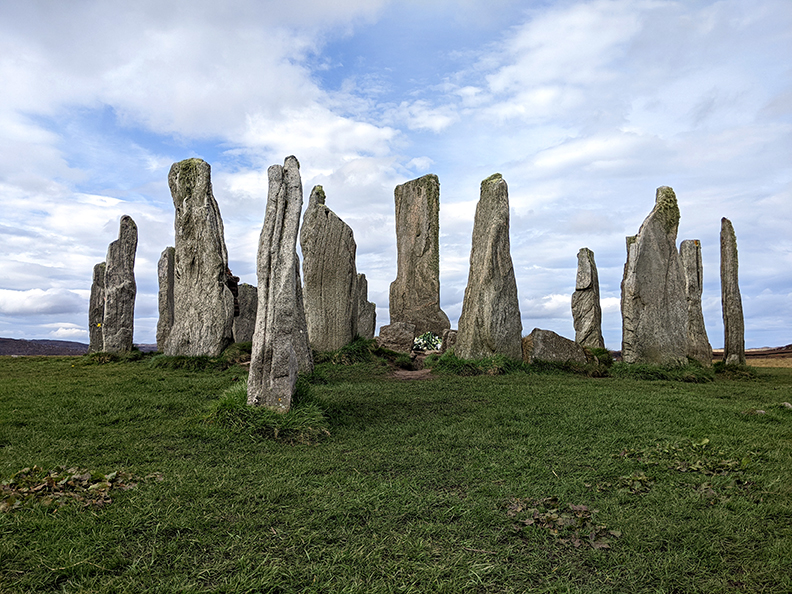
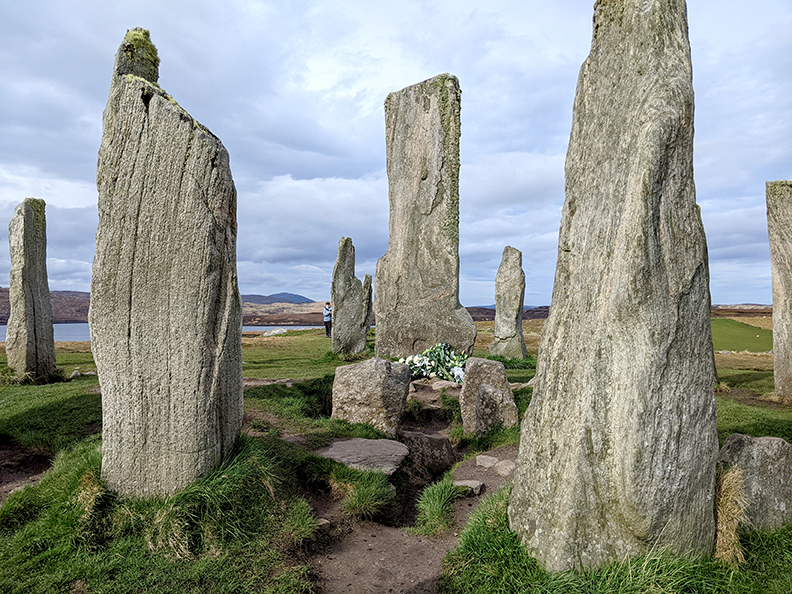
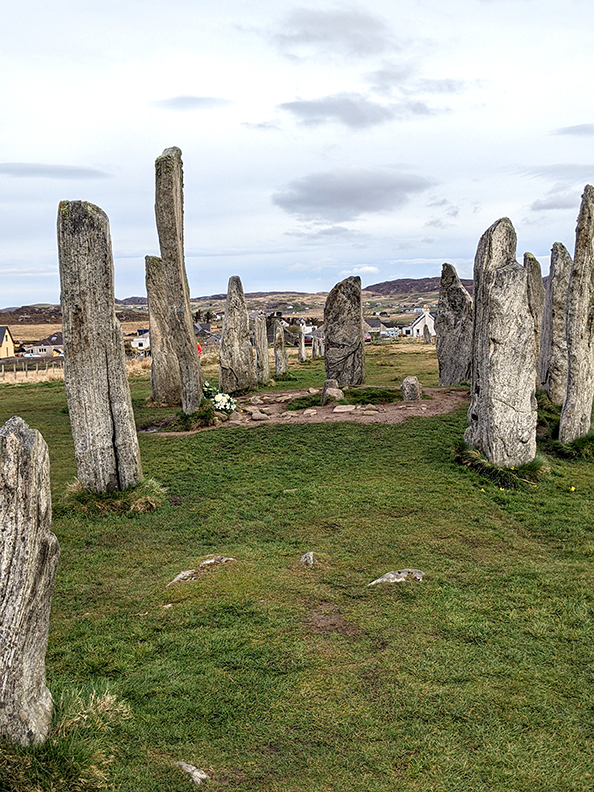
I felt compelled to visit Scotland without truly understanding why. I said I was called by my studies of Celtic mythology and by images I had seen of the land. I told people in Scotland I was on an artist’s journey. But now I see that Mother Earth wanted my attention – and in Scotland, particularly in the Highlands, Earth energy is strongly present. From the start, a major part of that calling was the ancient Callanais Stones – pronounced like the English translation “Callanish” – located on the remote Isle of Lewis.
Getting around the Hebrides and the Highlands was difficult without a car as bus access is very limited. Though a little restricting, it kept me connected to Earth as I walked and I walked. With every step I felt the call of Earth – from even before the human family began.
It was a glorious sunny afternoon when I arrived by ferry on the Isle of Lewis/Harris. Next was a bus ride north to Stornoway, my base for exploring Callanais. Here I first learned of the Stones connection to the Cailleich, an ancient goddess whose origins are unknown. Her name literally means “the Veiled One” but has come to mean “Old Woman or Wife.” Yet she was all powerful and ageless.
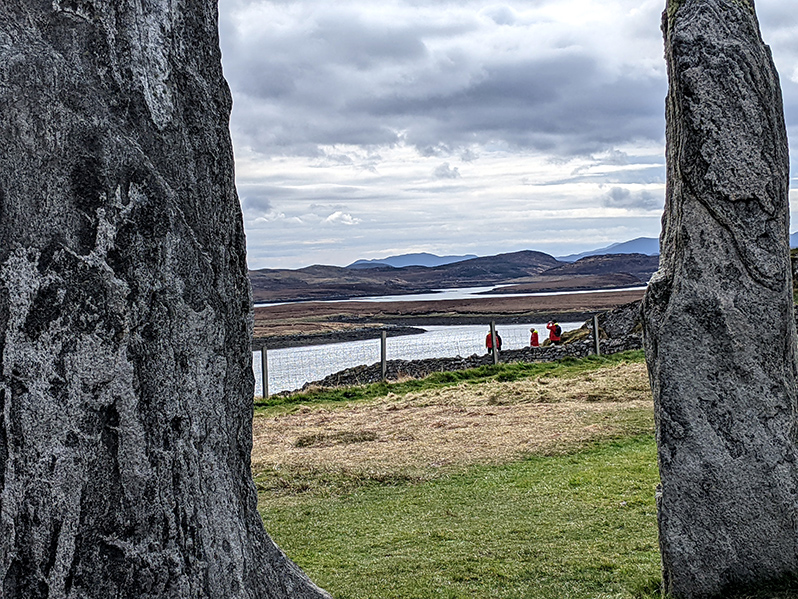
An elder man spoke about Callanias and the Stones’ connection to the nearby mountain – “Cailleach na Mointeach” – Gaelic for “The Old Woman of the Moors” or affectionately called “Sleeping Beauty” as the mountain looks like a woman lying on her back with bent knees. He said you could see this mountain through the stones. His storytelling got me searching for more info on the Cailleach’s connection to the Stones.
Cailleach na Mointeach, Isle of Lewis
First, I learned of the extreme age of the islands and of the stones that make up the land. The Callanais Stones date back to 3500 BC but the rocks that created Scotland come from an inconceivable 3 billion years ago as the landmasses of Earth were created from out of the waters.
Around 450 million years ago, at the beginning of the Caledonian Orogeny, Scotland, Scandinavia and North America were one continent with the now, non-existent Iapetu Ocean separating them from England, which was joined with the rest of northern Europe. This was a long geological period of continental collision and mountain building, that turned Iapetu Ocean into land and fused Scotland and England together.
Quieter conditions occurred for several millennia, covering Scotland with layers of sediment forming various sedimentary rocks until 60 million years ago when Earth moved again and the continent split apart forming the North Atlantic Ocean with volcanoes erupting all along Scotland’s new western edge.
These are the creation stories the science of geology tells us. But our ancient ancestors told a different story of the creation of Scotland and the other Celtic lands. Long, long before the Celts arrived in Ireland and Scotland, the indigenous people worshipped The Cailleach, as both the goddess of creation and the goddess of destruction. She became Calleach Bheur to the Scots. “Bheur” means sharp and she was credited with creating the sharp and biting winter weather, which helped to shape Scotland.
The Cailleach, a Dark Goddess of nature, is one with the land. Sometimes depicted with one eye, she sees beyond duality peering into the Oneness of all Being. She is the embodiment of winter, clothing the land with snow. Sacred Stones are her special places.
She leapt from mountaintop to mountaintop, dropping rocks to create hills, mountains and islands. She carried a slachdam – the Druidic rod, or a hammer with which she wielded power over the seasons and weather.
She is the guardian of the life force, finding and nourishing the seeds, commanding the power of life and death. The Cailleach personifies death and the transformative power of darkness, leading us through death to rebirth.
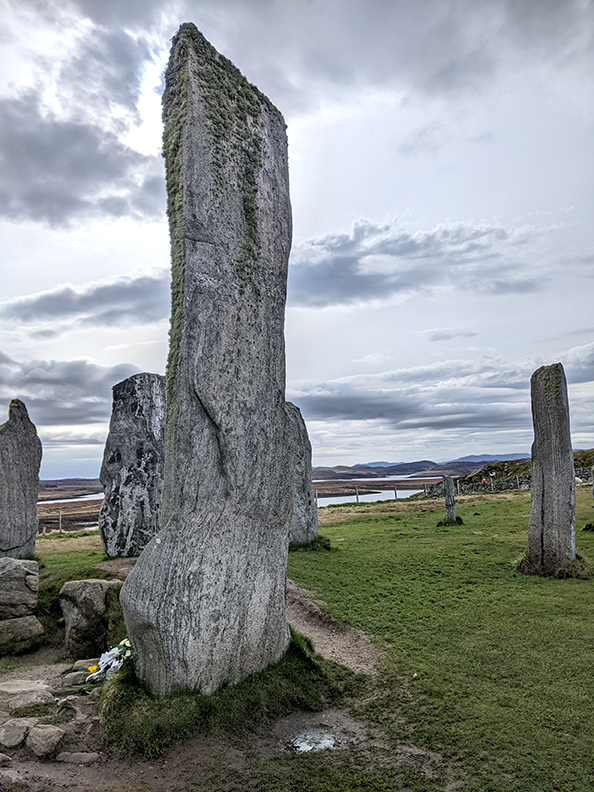
Our ancestors believed that the rocks on the Isle of Lewis used to create the Callanais Stone Circle were gifts from the Cailleach – from her acts of Earth building. These metamorphic gneiss rocks are among the oldest in Europe and are embedded with various types of crystal such as quartz, feldspar and hornblende. Perhaps these crystals in the ancient rocks create the energy field I felt so strongly on my visit – all coming from the hand of the Cailleach, a personification of the power of Mother Earth.
Archeologists theorize that the 5,000 year old Callanais Stones were a sacred site created for ritual and prayer, in particular from which to mark the 18.6 year lunar cycle – similar and yet more complicated than the yearly Sun cycle of Summer and Winter Solstices.
Callanais Stone Circle seen from Cross Entrance on East
Every 18.6 years, this moon cycle reaches Major Lunar Standstill with the full moon nearest the Summer Solstice. It is viewed through the Callanais Stones rising out of Cailleach na Mointeach – our Earth Mother. Being so far north it only skims the horizon then appears to set among the stones.
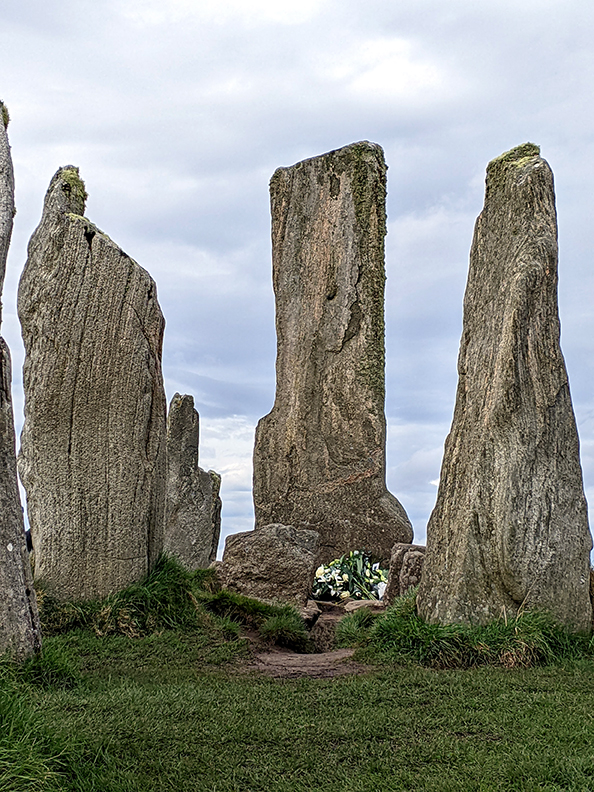
Two stones of the Callanais 13 stone inner circle framing Cailleach na Mointeach
It is hard for our modern minds to understand the awe these ancient people must have felt at the beauty and terror of nature during the Megalithic Era – when the human family was first beginning to settle in one place though had not yet discovered agriculture.
Perhaps the ceremonies held at Callanais helped hold the terror at bay. Closing my eyes I can imagine being there on this short night, near mid-summer, for the ritual marking of the passing of winter – I and my tribe had survived the season of long, dark nights. This was the special time that our tribal shaman knew how to mark. We all understood the precariousness of life and that marking the circuits of Earth and Sky provided invaluable knowledge for our survival. I can imagine feeling immense gratitude witnessing the cycles of life unfold as Earth and Sky and human minds interacted and the full moon rose out of our Earth Mother – Cailleach na Mointeach – and then set within the Sacred Stone Circle.
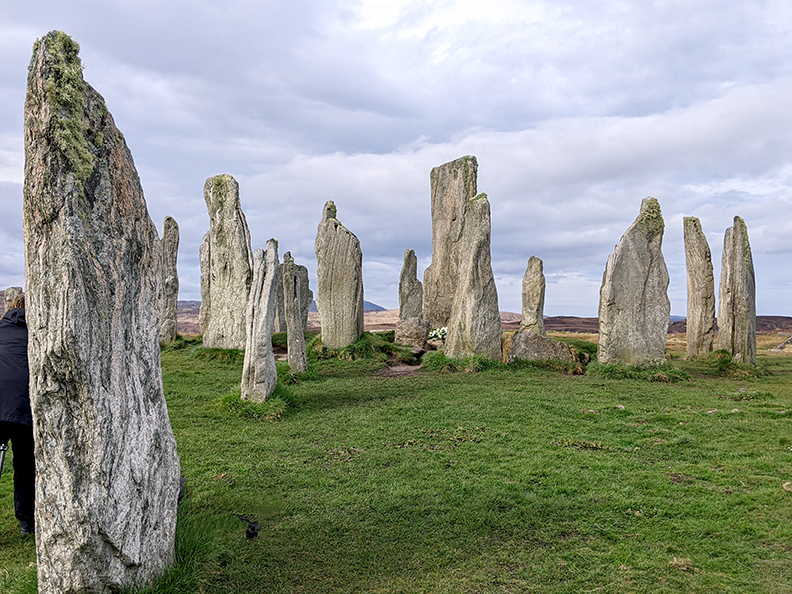
Further illustrating Callanais’ connection to Goddess, its original construction was comprised of 13 stones arranged in a circle – both number and shape are symbols of Moon and Goddess. At some point an even-armed cross was added around the perimeter – symbolic of the sun and of the meeting place of the divine and the mundane.
It seems unlikely that such a magnificent structure was created for use only once every 18.6 years. Of course these people left no written account of their actions, but local legend and lore suggests the Callanais Stones were seen as a fertility power spot. Given the Stones connection to Moon and Goddess that is not surprising. An old legend claims that Callanais is a promising spot to consummate a marriage or become engaged. In fact I overheard a couple of visitors while I was there claiming to have become engaged at Callanais.
But what does a site like the Callanais Stones hold for us today? Can Mother Earth still speak to us there?
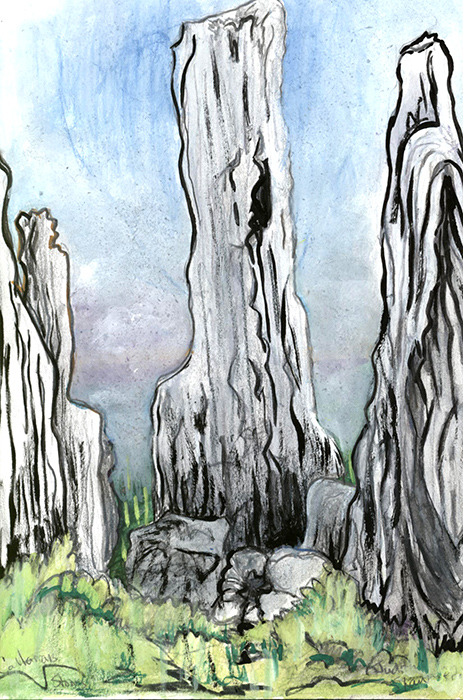
After a bit of a wander through and around the Stones, I sat and sketched. Slowly through that act of eye to hand to pencil to paper I began to feel the deep connection that always comes in when I attempt to translate 3D reality onto a 2D piece of paper.
Time passed and soon the only return bus would arrive so I stopped and just sat quietly, listening to the wind and feeling the energy. I felt strongly a sacred presence in this spot where long, long ago ceremonies for Goddess had been held. I heard the Cailleach’s calling – to an acceptance of our modern world and the difficult days of transformation the 21st century offers up. The winds carried her message – a glimmer of hope that we can find our way back to living in balance with her natural rhythms of creation, destruction and creation. I felt her reassurance that though the geography of Earth changes and the epochs of humankind and the flesh and bones of all creatures pass away, the magnificence of life continues. The Cailleach touched my heart there at her Sacred Stone circle, reminding me that, though pain and suffering has been and will always be with us, life is a gift to be cherished.
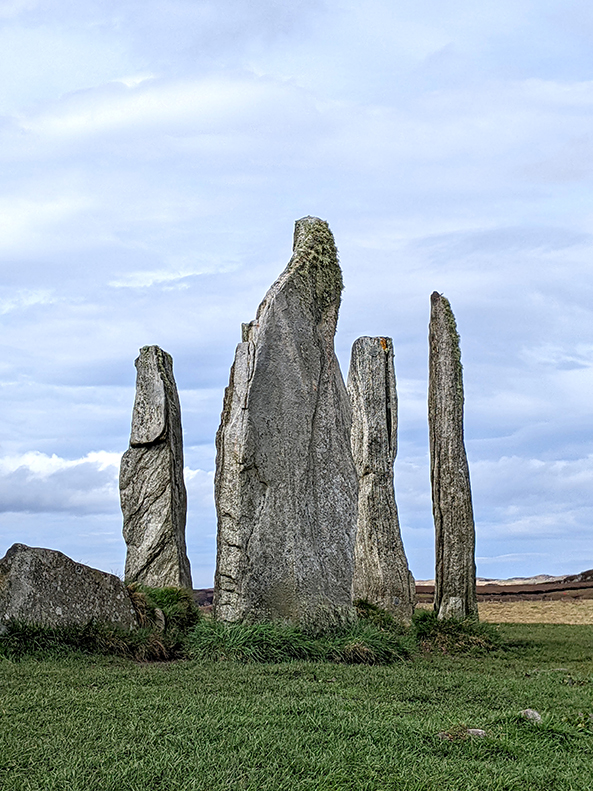
Here are a few more photos of the Callanais Stones
Judith Shaw, a graduate of the San Francisco Art Institute, has been interested in myth, culture and mystical studies all her life. Not long after graduating from SFAI, while living in Greece, Judith began exploring the Goddess in her art. She continues to be inspired by the Goddess in all of Her manifestations. She is now working on her next deck of oracle cards – Animal Wisdom. Originally from New Orleans, Judith makes her home in New Mexico where she paints as much as time allows and sells real estate part-time. Give yourself the gift of one of Judith’s prints or paintings.
Judith’s deck of Celtic Goddess Oracle Cards is available now. You can order your deck from Judith’s website – click here. Experience the wisdom of the Celtic Goddesses!
When we seek immortality or spiritual “rebirth,” are we not saying that there is something wrong with the “birth” that was given to us through the body of our mothers? In She Who Changes and in “Reading Plato’s Allegory of the Cave as Matricide and Theacide,” I asserted that our culture is “matricidal” because it is based on the assumption that life in the body in this world “just isn’t good enough.”
What is so wrong with the life that our mothers gave us that we must reject it in the name of a “higher” spiritual life? The answer of course death.
Can we love life without accepting death?
Can we love our mothers if we do not accept a life that ends in death?
Jesus was said to have encouraged his disciples to leave their wives and families in order to follow him. When he was told that his mother and brothers were outside and waiting to speak to him, he is said to have said:
“Who is my mother, and who are my brothers?” And stretching out his hand toward his disciples, he said, “Here are my mother and my brothers! For whoever does the will of my Father in heaven is my brother, and sister, and mother. (Matt. 12:48-50)
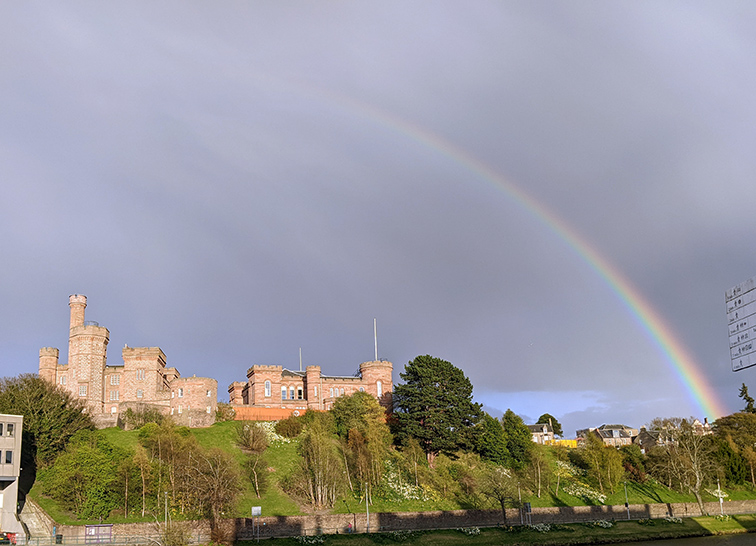
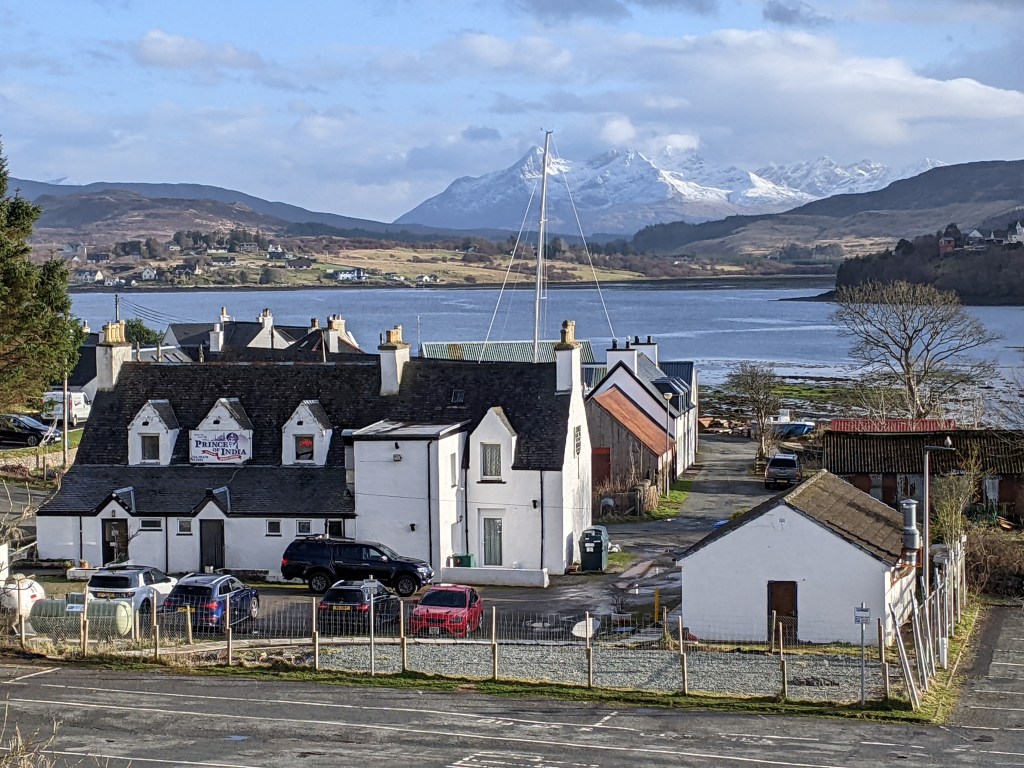
Moving from town to town – by train, bus and ferry – I have walked and walked the ancient land of the Scottish Highlands. From Paleolithic to Mesolithic to Neolithic and on to Picts, Celts, Scots, Romans, French and English – many different people have walked these same paths.
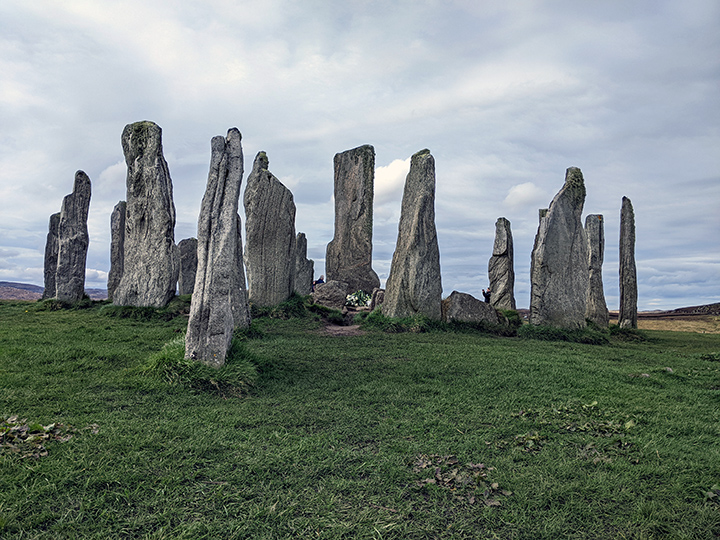
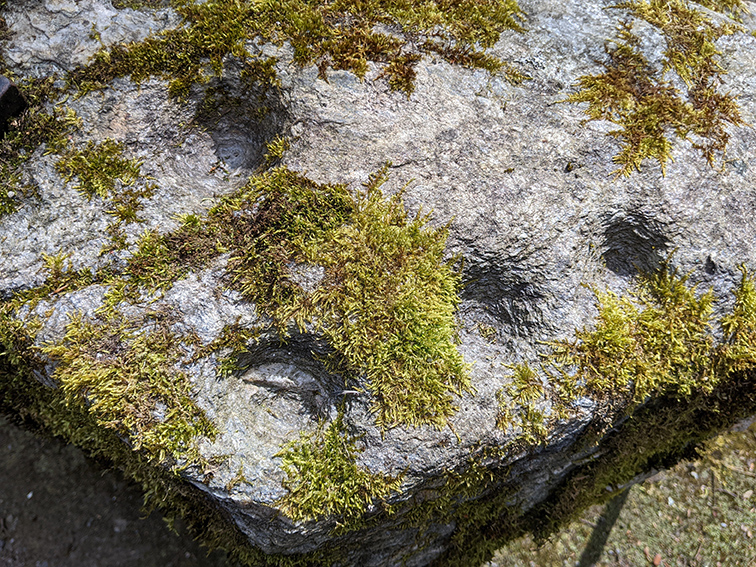
Standing Stones, Cupmarked Stones and Pictish Stones along with medieval castles, monuments, graveyards to soldiers lost in centuries of battles and sheep, always sheep – pepper the landscape everywhere.
The Callanish Stones – circa 3500 BC – Isle of Lewis, Outer Hebrides, Scotland
Cupmarked Stone, Aberfledy, Perthsire
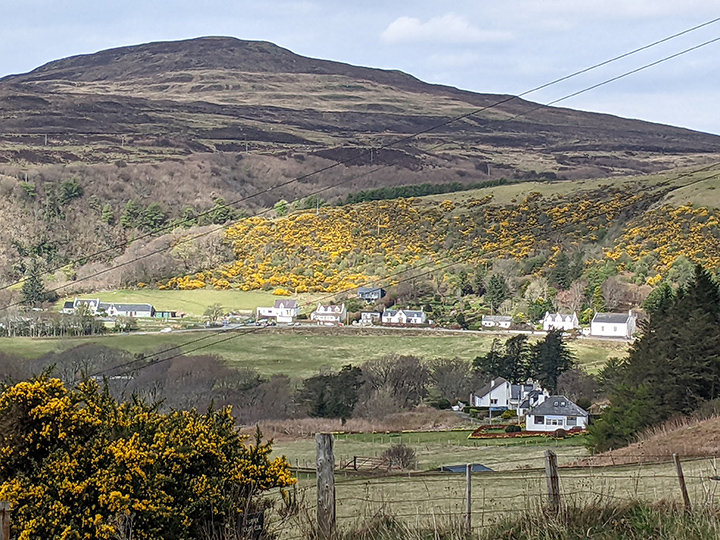
Pastures of Fortingall – a very small village in Perthshire, Scotland
Graveyard to soldiers lost to war, Fort William, Scotland
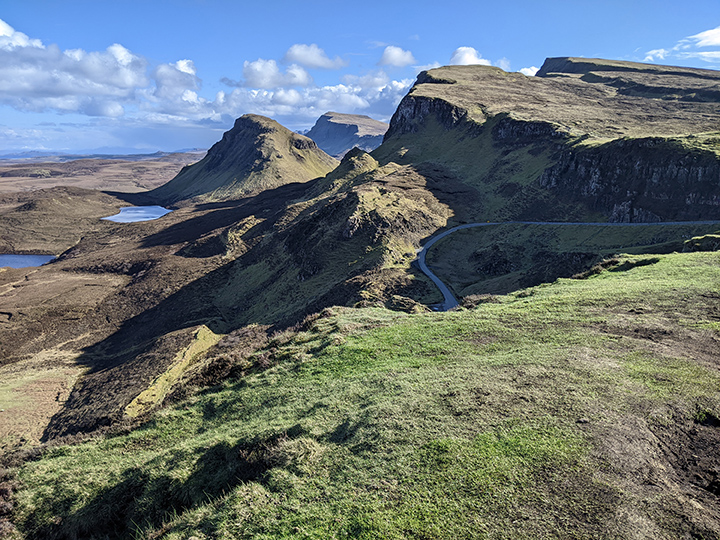
This land was formed millennia ago when Mother Earth first birthed herself from the waters of our beginnings. Through epochs of volcanic spewings, earthquakes, continents splitting, the ice advancing and retreating – change, always change, remains the one constant. Here in this high land, one is reminded of the smallness of our individuality.
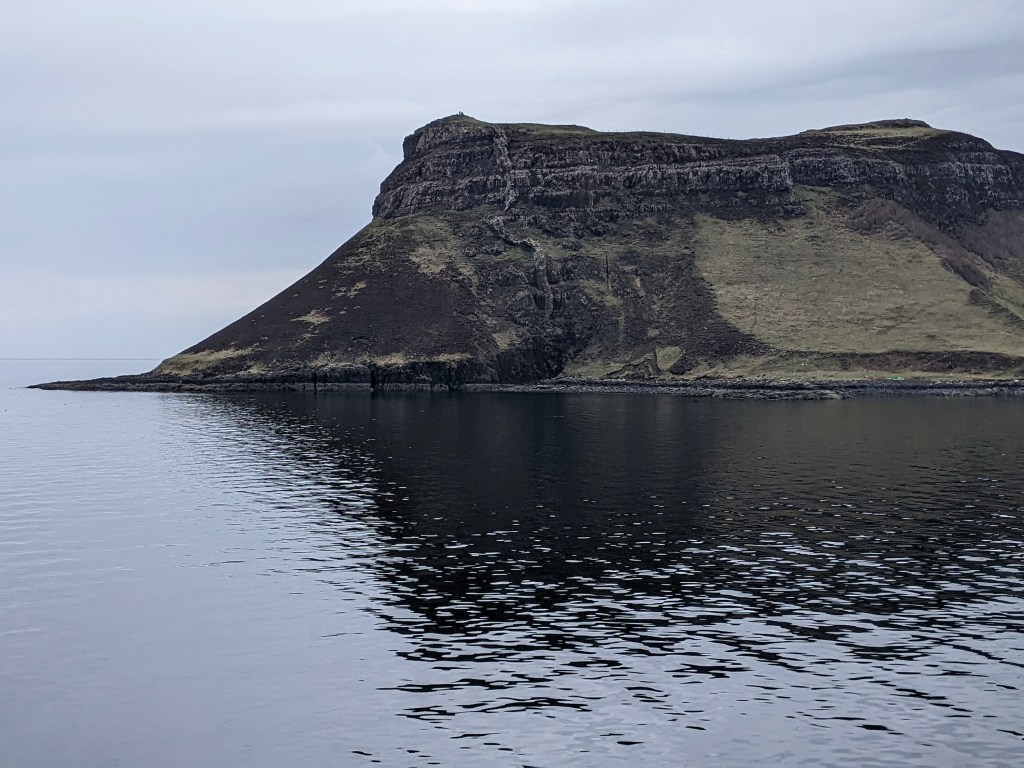
Isle of Skye, East side of island formed by tectonic plate movement
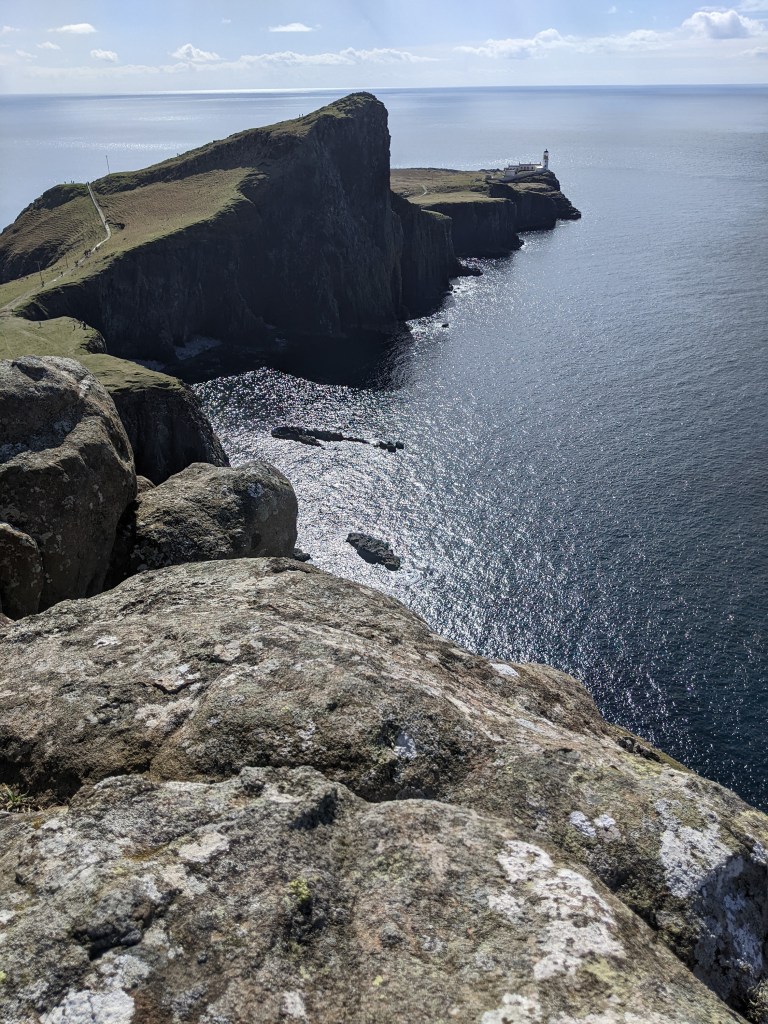
Niest, most westerly point on Isle of Skye
Tales of goddesses, gods, faeries, giants, monsters and countless heroines and heroes inhabit the land.
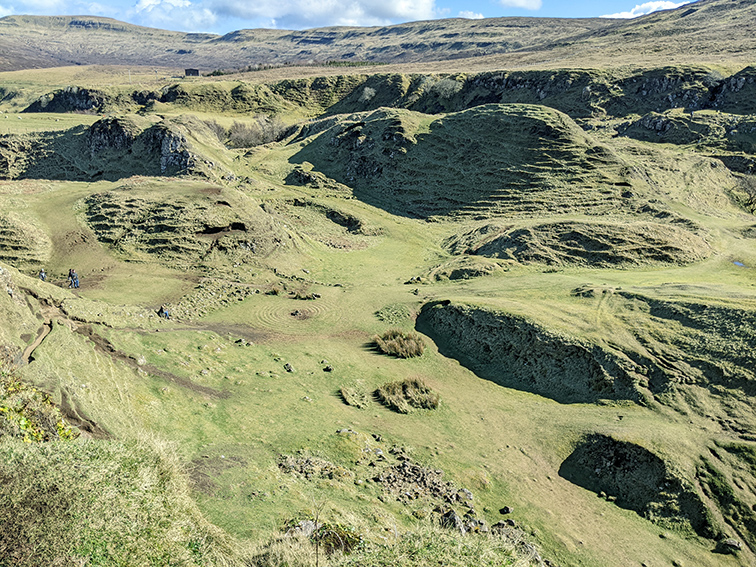
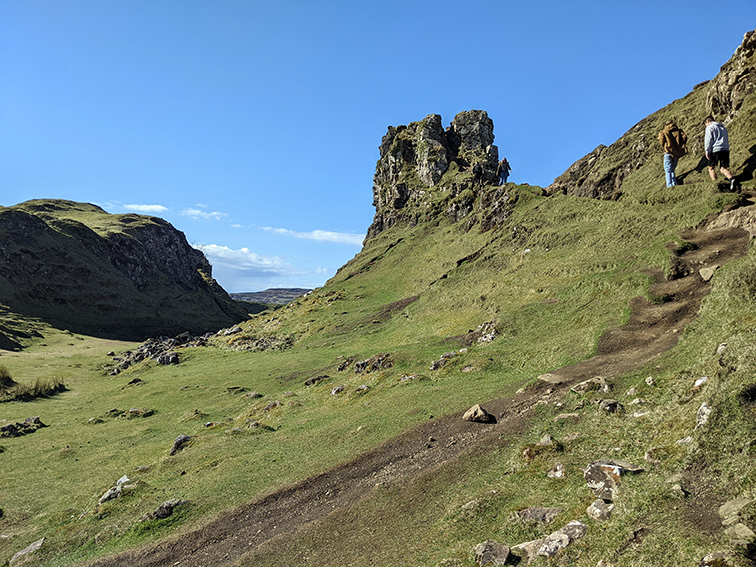
After the ice receded – the Faery Glen, Isle of Skye
The Faery Glen – another view
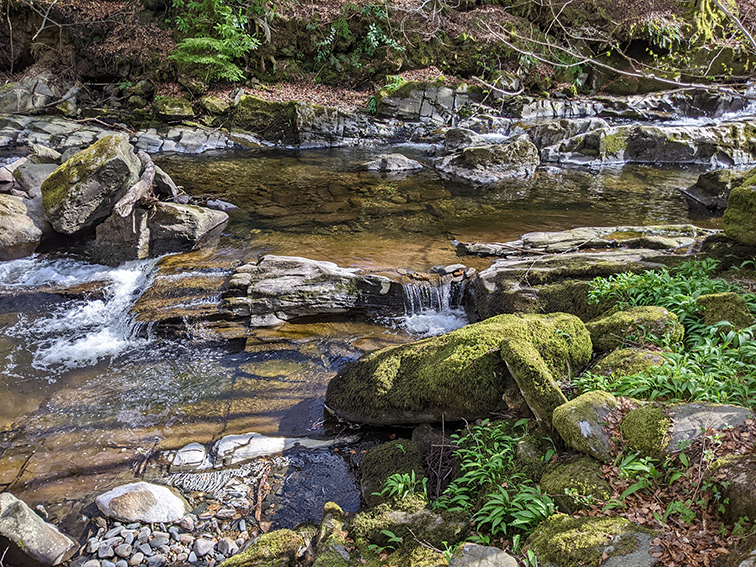
All along this way the Ancient Ones have whispered to me – whispered through the rushing streams and babbling creeks, joyous bird song, waves murmuring, waves crashing against the shore, and wind howling through the air.
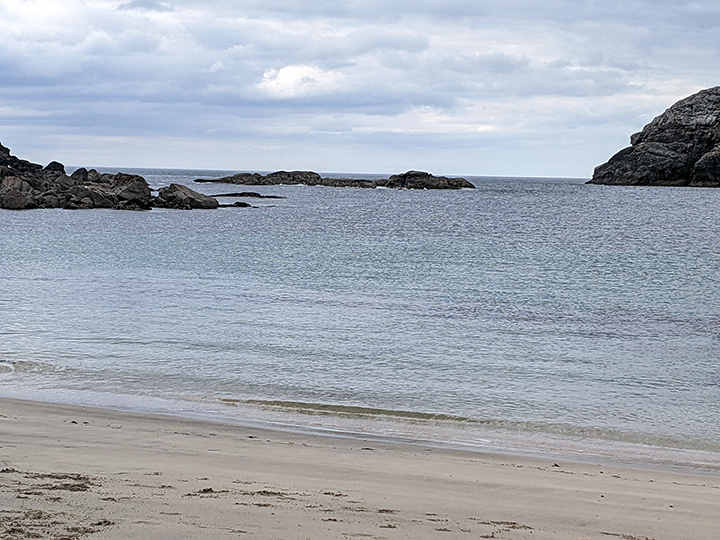
A beach on the Isle of Lewis
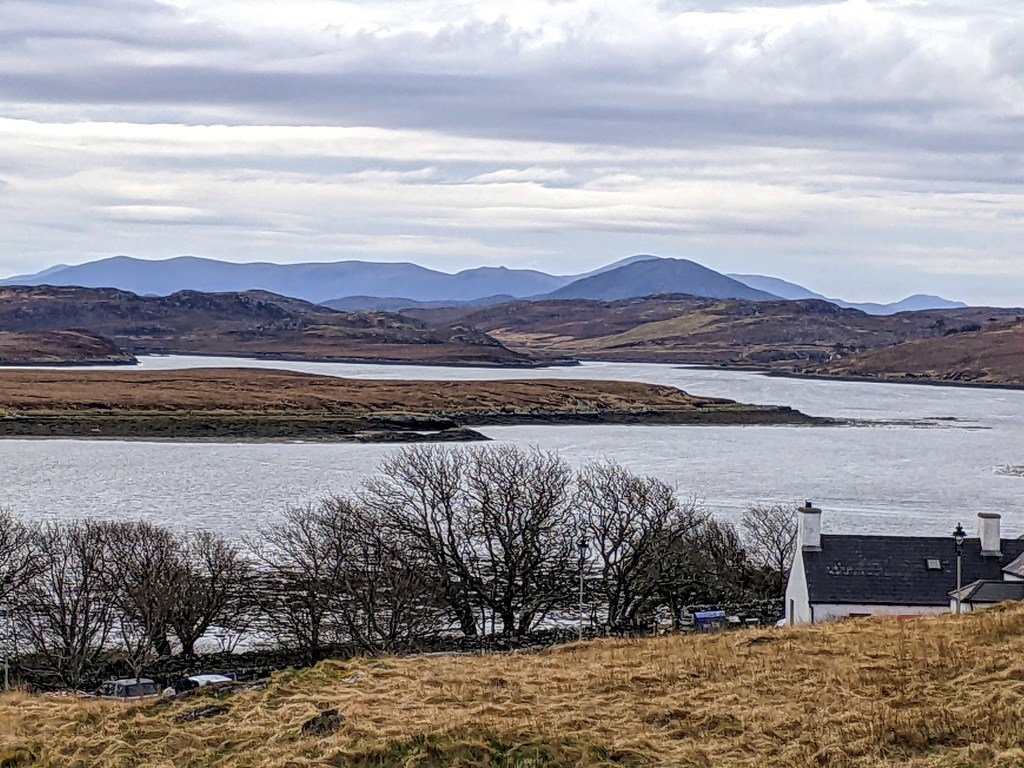
It has rained and rained and yet one day the sun emerged, revealing the vibrant green, green, green – everywhere green – temporarily lifting the blue grey mists and the brown, brackish swaths of horizon.
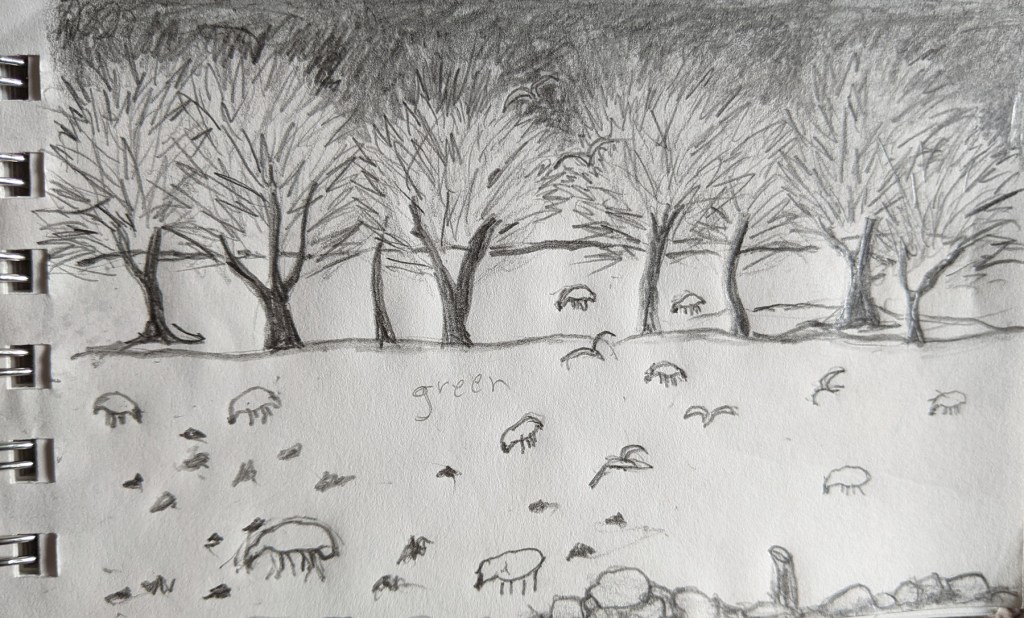
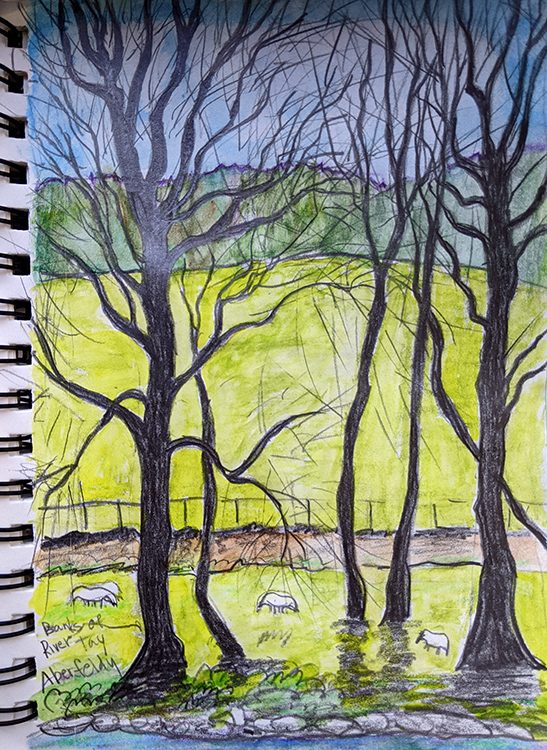
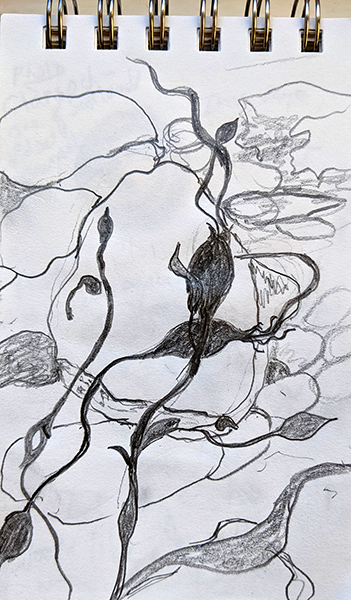
Every moment has been a joyous exaltation of our beautiful Mother Earth. And of course, along the way I was drawing. Here are a few sketches or dream remembrances.
Sheep, Birds and Trees
On the Banks of the River Tay
Seaweed and Rocks
Loch Dreams
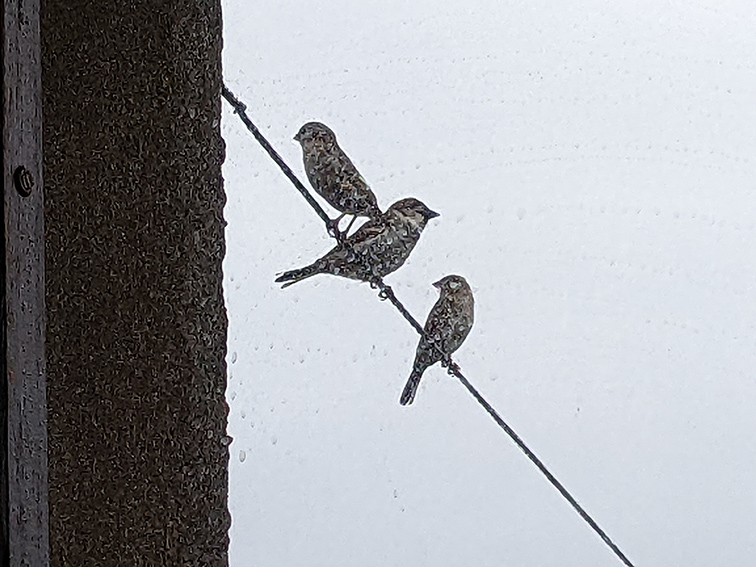
And one day there was snow!
I’ll leave you with just a few more photos – big vistas, trees and small things – all parts of the beauty found in this ancient land of Mother Earth – our mother who sustains and supports us through all time.
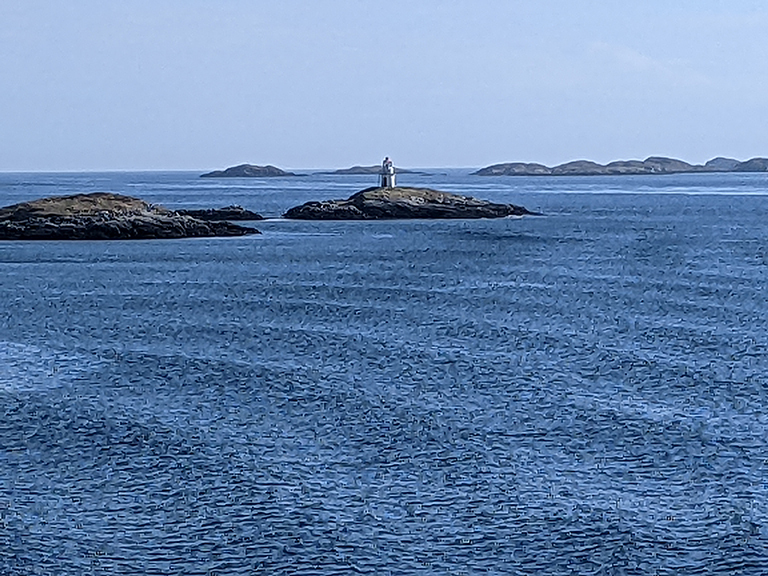
Leaving Uig, Isle of Skye by ferry
Uig, Isle of Skye
Judith’s deck of Celtic Goddess Oracle Cards is available now. You can order your deck from Judith’s website – click here. Experience the wisdom of the Celtic Goddesses!
Judith Shaw, a graduate of the San Francisco Art Institute, has been interested in myth, culture and mystical studies all her life. Not long after graduating from SFAI, while living in Greece, Judith began exploring the Goddess in her art. She continues to be inspired by the Goddess in all of Her manifestations. She is now working on her next deck of oracle cards – Animal Wisdom. Originally from New Orleans, Judith makes her home in New Mexico where she paints as much as time allows and sells real estate part-time. Give yourself the gift of one of Judith’s prints or paintings.