

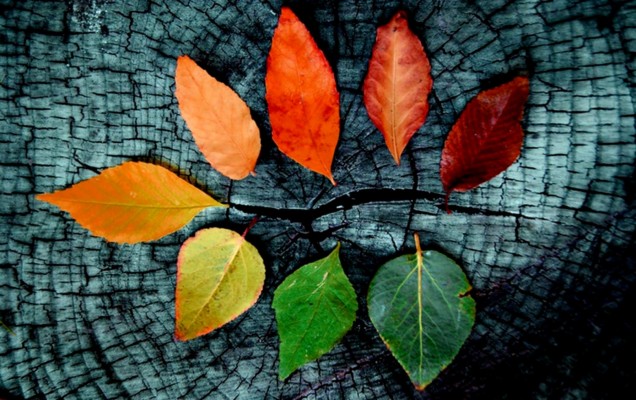
For many years, I suffered from Seasonal Affective Disorder. As soon as the clocks went back in autumn and the nights grew dark, I’d fall into a contracted space. The days seemed too impossibly short to get things done. Even though I still had the same 24 hours as I had in summer, the encroaching darkness seemed to make everything shrink and dwindle into a tiny dark point.
In autumn and winter, my energy levels are lower. I seem to need more sleep and I can’t pack as many things into a day as I can in summer. I came to dread winter as some kind of energy-sucking blackhole I fell into every year.
Katherine May’s luminous memoir Wintering addresses this whole conundrum with deep wisdom. She points out that the fallow seasons of winter and autumn are when nature rests and repairs itself. If we force ourselves to go against nature, we cause endless suffering to ourselves and others. So when the nights darken early, why not just go with the seasonal flow and accept the divine invitation to rest, reflect, and slow down?
In a similar vein, Christine Valters Painter’s book, Sacred Time: Embracing an Intentional Way of Life describes how we can live richer and more spiritually connected lives by living in harmony with the seasons of the year, the cycles of the moon, and the seasons of our lives.
Humans, like other living beings, evolved as cyclical creatures. The monthly cycles of menstruation synch female bodies with the cycles of the moon and the tides. Similarly, the arc of a woman’s life from menarche to possible pregnancy and birth-giving to menopause and the post menopausal years contains its own seasons of growth, ripening, and resting in our hard-won wisdom. Deep in our psyches, we long to surrender to the ancient rhythms of planting, growth, ripening, and lying fallow.
But our dominant culture teaches us to suppress our cyclical rhythms. We’re programmed to live our lives as though it were spring and summer all the time. We are expected to always be in the productive mode of being, bringing forth the blossoms and the fruit. Always doing and accomplishing. But being in summer mode all the time is exhausting. To be healthy and functioning, we need the energies of autumn and winter. The energies of releasing, quieting, and letting go.
As well as the outer seasons, we have inner seasons that play out in our psyches, regardless of what stage of life we’re in. For example, after the death of a loved one, you might be experiencing an inner winter. This long pandemic has plunged us into a deep collective winter.
When we go through an inner autumn or winter, sometimes we feel that there’s something wrong with us. Why can’t we just snap out of it, get over it, and move on? We might feel mired in grief or simply “stuck” and burdened with the sense that nothing is happening. Our culture trains us to believe that something should be happening all the time.
But our times of descent and inner darkness are filled with profound potential. They take us into the fertile darkness of replenishment and restoration. If we surrender to the velvet darkness, it heals us inside out. What if we allowed ourselves to just rest in the sweet dark mystery?
Western culture views time as a very linear construct, but the seasons are cyclical. We might think that the season we’re in is going to last forever. But the wheel keeps turning, no matter what. We can learn to trust that everything comes full circle in the fullness of time.
What happens if we learn to pay reverent attention to the rhythms of our day, our week, and the moon and sun cycles? Trusting the great cycles of the seasons opens us to recognize every moment as a divine invitation, a doorway into the timeless and eternal.

Mary Sharratt is on a mission to write women back into history. Her acclaimed novel Illuminations, drawn from the dramatic life of Hildegard von Bingen, is published by Mariner. Her new novel Revelations, about the mystical pilgrim Margery Kempe and her friendship with Julian of Norwich, is now available wherever books and ebooks are sold. Visit her website.

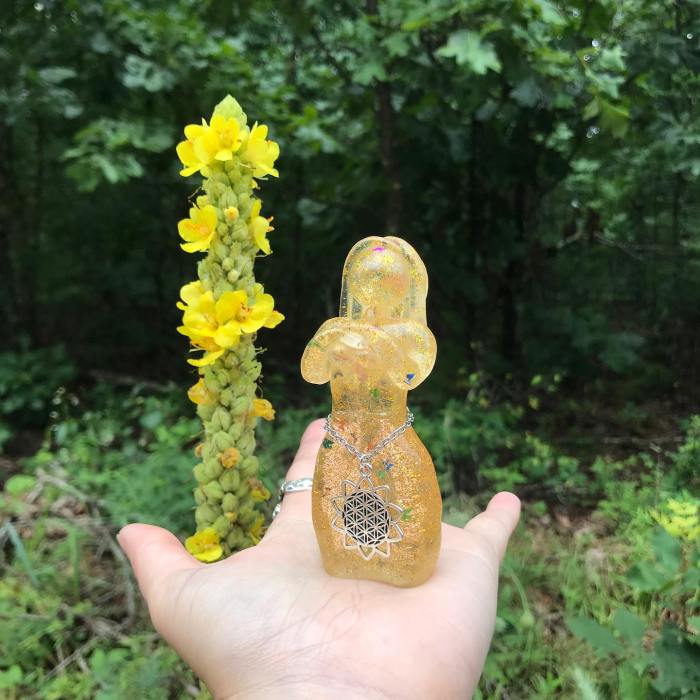
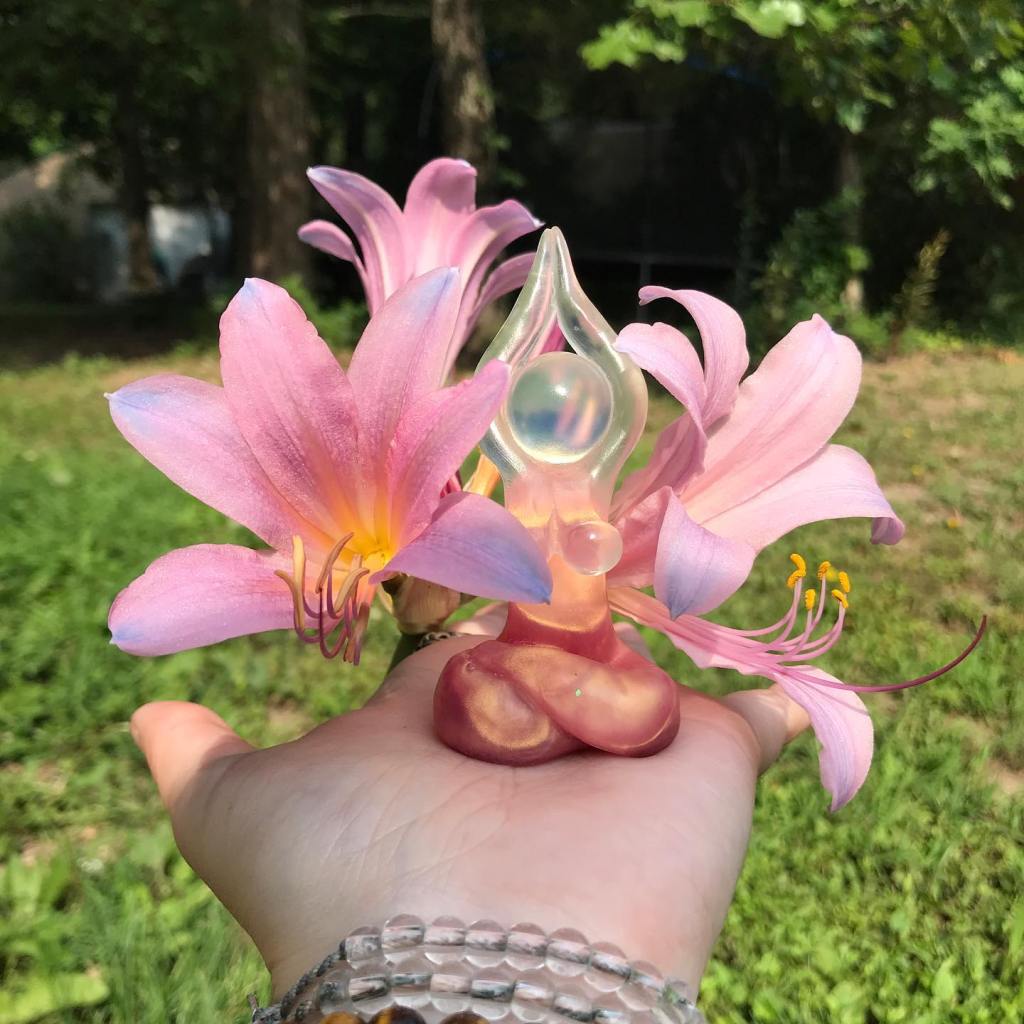


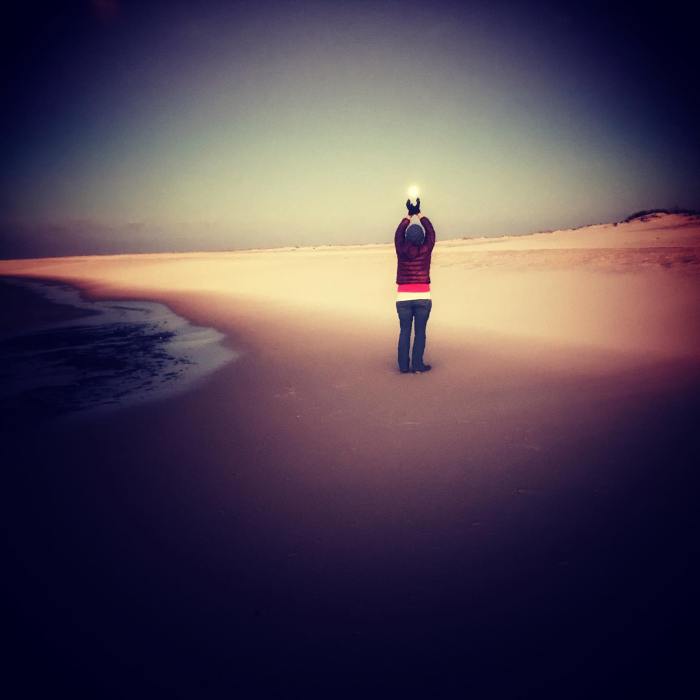

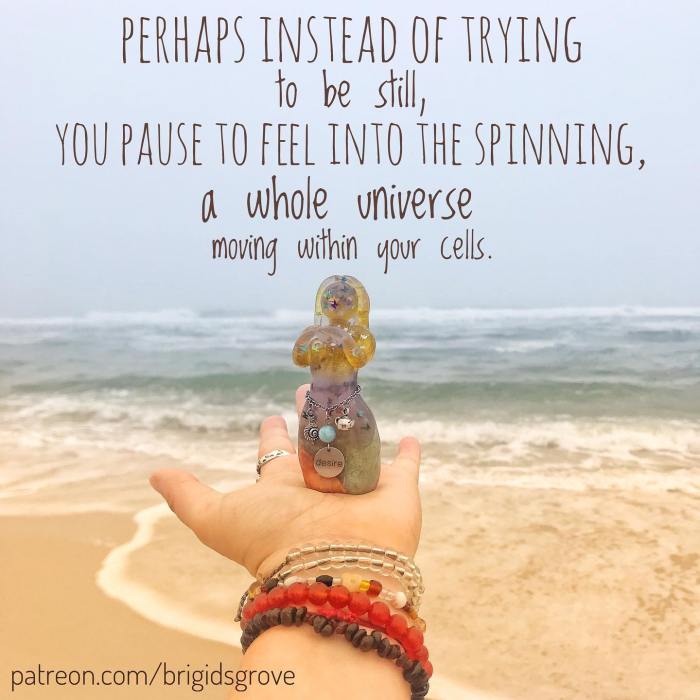

 With the Winter Moon waxing on nights when stars are falling from the sky and the winter solstice passage, I am much aware of the healing and dwelling place that I inhabit that also characterizes these dark months of the year.
 The days are slowly winding down toward Winter Solstice in the northern hemisphere, the longest night of the year. Today the sun rose at 7:20 and will set at 5:08 in Crete. In Sweden, the sun will rise at 9:25 and set at 2:12. Though I light candles in the darkness of morning and have lights on my tree, I am not celebrating the “return of the light,” but rather welcoming the restful dark.
 Feminism and Religion