We Will Be Jaguars: A Memoir of My People by Nemonte Nenquimo, part 1 by Theresa Dintino

Moderator’s Note: This piece is in co-operation with The Nasty Women Writers Project, a site dedicated to highlighting and amplifying the voices and visions of powerful women. The site was founded by sisters Theresa and Maria Dintino. To quote Theresa, “by doing this work we are expanding our own writer’s web for nourishment and support.” This was originally posted on their site on May 20th, 2025. You can see more of their posts here. 

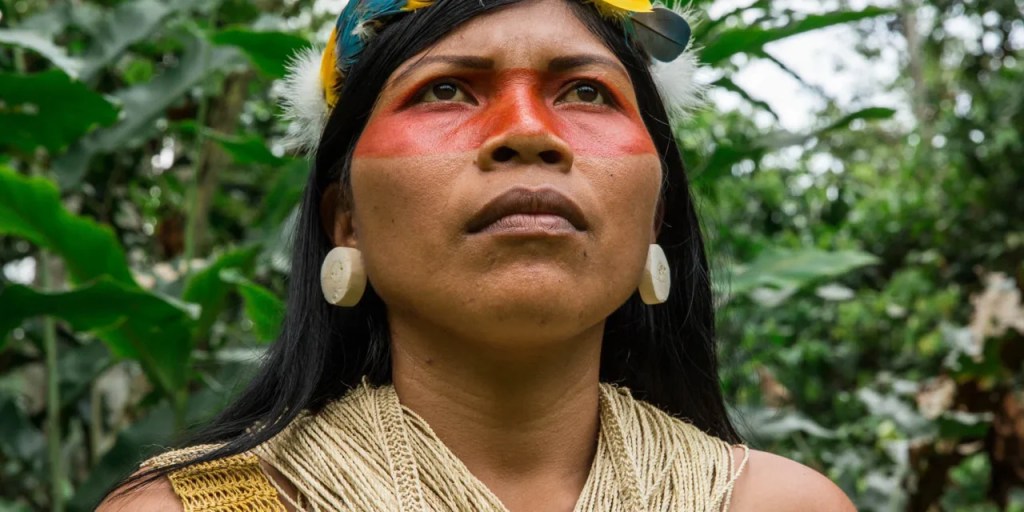
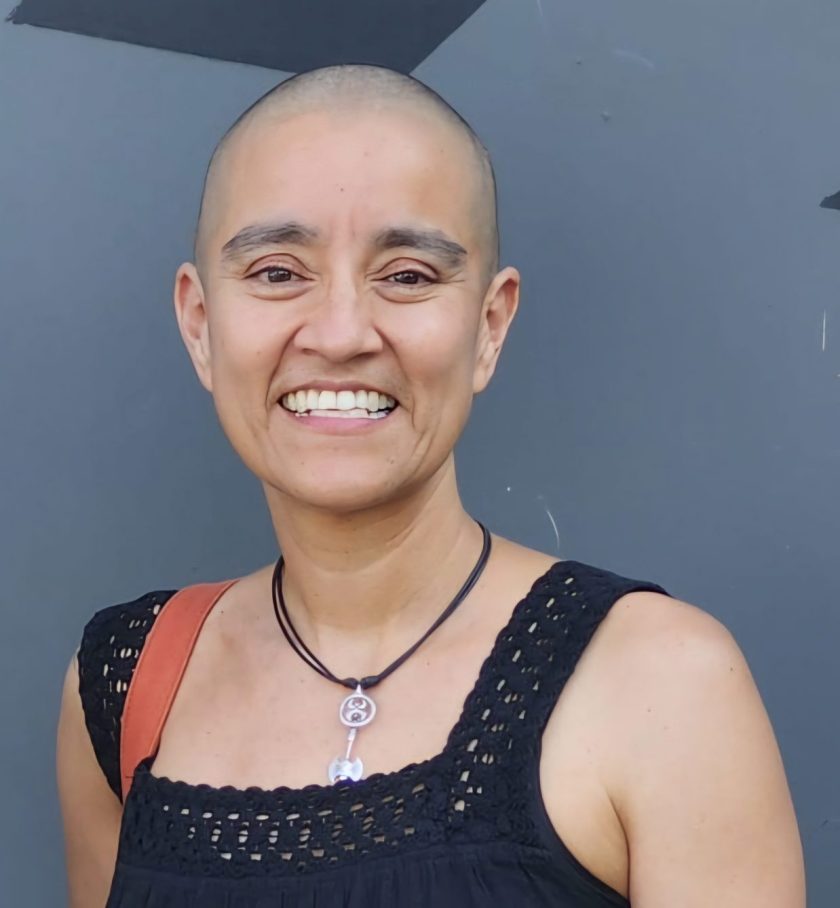
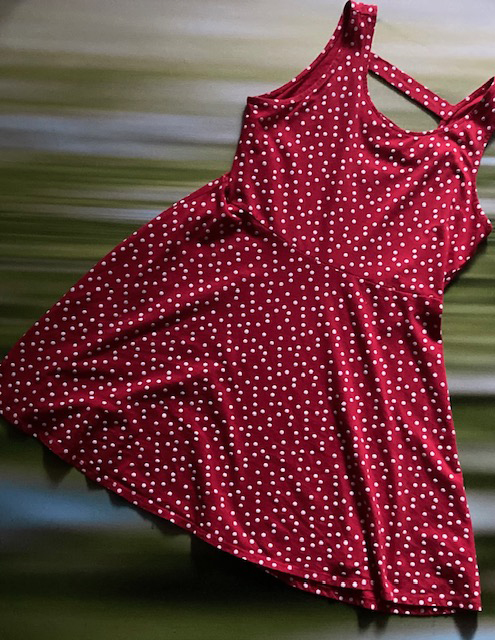
She didn’t know what the United States was. She didn’t know where it was, she called it “the land of Rachel” after the missionary in her village. She didn’t know what God was. She only knew if she went to church, she may get a pretty dress. And she wanted one.

More important than an activist tome, more important than a cry for the Amazon Rainforest and acknowledgement of indigenous peoples’ right to their own land, more important than a scathing exposé on colonialist pillage, and predatory preachers, this book is the story of a woman growing up, a woman coming of age, a woman allowing us into her personal story and her unique worldview in her own voice. This book is a treasure primarily because of that. Because we finally get to hear the story from the point of view of a Waorani woman as she experienced it.

Continue reading “We Will Be Jaguars: A Memoir of My People by Nemonte Nenquimo, part 1 by Theresa Dintino”

Kything—A Feminist String Theory of Connection by Mary Gelfand

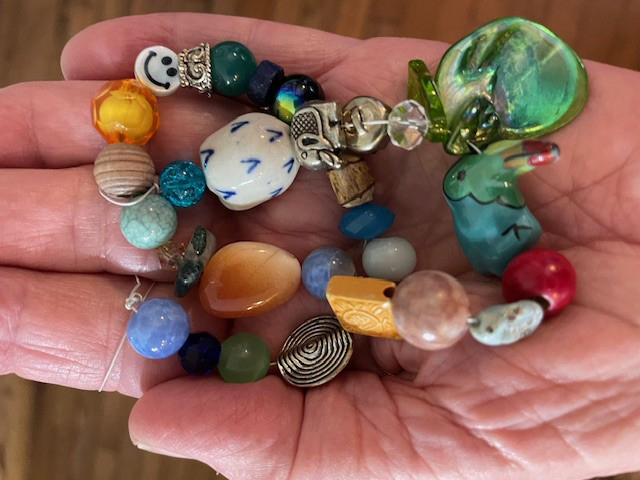
The string of beads lies coiled in my palm as I reflect upon my women’s circle and our annual kything ritual.  Sixteen different beads, each representing a different woman in the circle.  We are a Goddess honoring group that meets twice a month from September through June, at the local UU church.  Some of us have been active in this group for twenty years.  Some of us joined last month.  We range in age from mid-forties to mid-eighties. 

We sit around the outsides of three long tables, arranged in a U-shape so we can see each other.  In front of us, we each have a small cup of beads, some paper to make notes on, and a knotted piece of beading wire.  We begin our kything ritual. 

Lynn, one of the facilitators, holds up a blue bead and describes it.  She names her intention for this summer—life energy—and asks us to visualize her walking confidently on the beach at low tide without a limp or cane, full of life energy.  Knowing as we do that she is recovering from knee replacement surgery, the intention is not surprising.  I find it empowering to energetically support her healing as I visualize her confidently walking on the beach. 

Continue reading “Kything—A Feminist String Theory of Connection by Mary Gelfand”

SheSpeaks! Eve by Janet Maika’i Rudolph

Author’s Note: I have begun a project called She Speaks! Women of the Bible Have Their Say. As part of this project, I have done five films with some very dedicated actors (friends of mine) who have dubbed themselves the SheSpeaks!Ensemble. I showed 4 of the films at the recent Yerusha Symposium. Based on the comments and reception, the project is now expanding. I am looking to create longer films that include story arcs. The first one will be of Eve. Below is the script for Eve along with the link to the video.

EVE speaks:

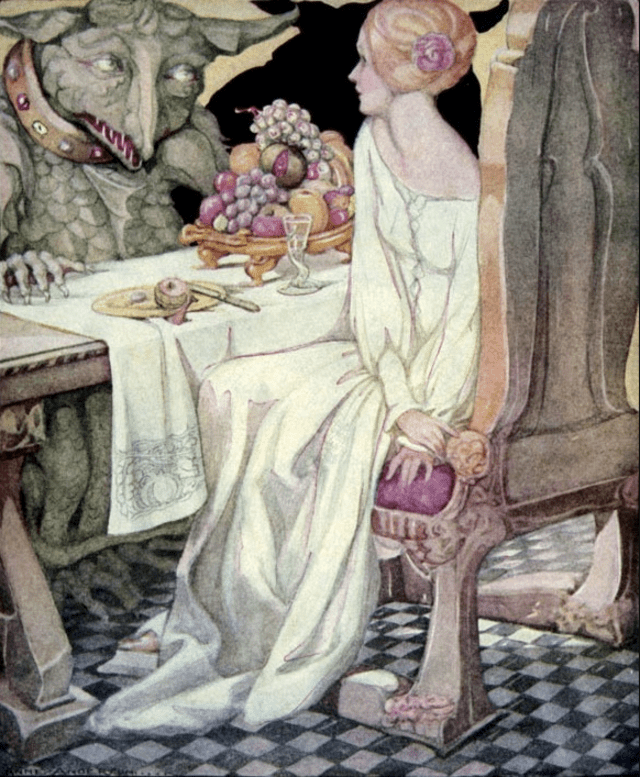
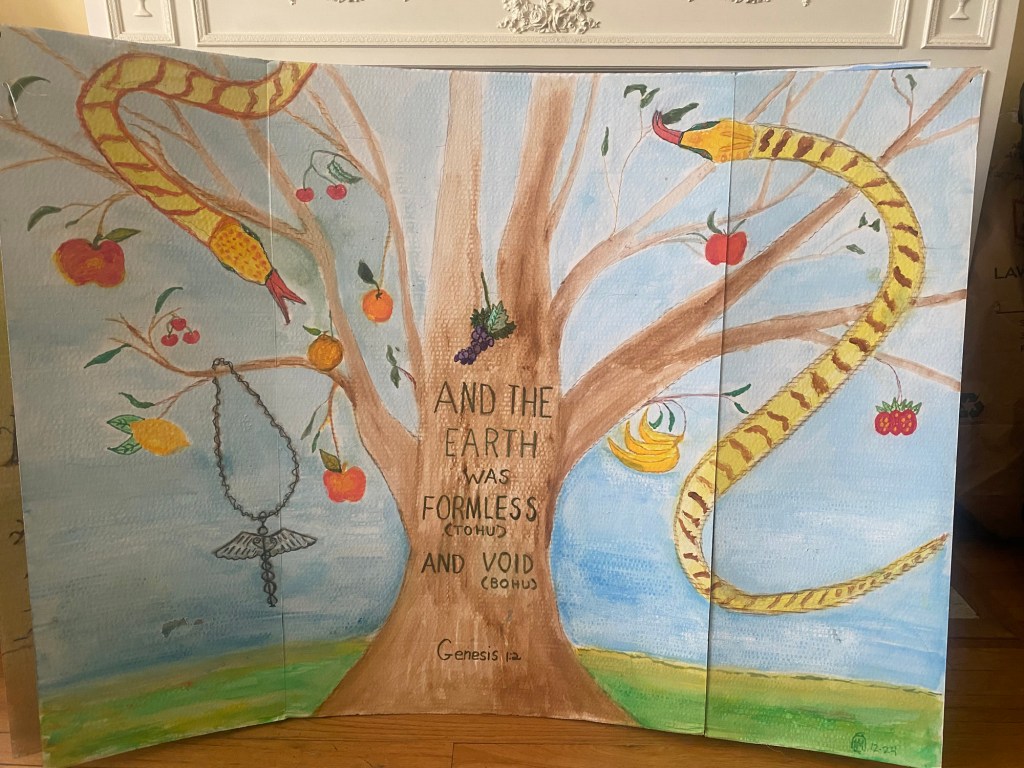
Why hello I don’t get visitors very often! Welcome. Come, come sit under my tree, let’s share some tea. I have the most wonderful and flavorful herbs here in my garden.

Look around at my most marvelous paradise. It is all filled with magical treasure. I’ll tell you a secret, the treasure I care for spans both the heavens and the earth. You see, we are at the place where spirit, breath and matter intersect. Where the living beings of earth and the animating forces of the divine join in harmony.

It is so hard to look at your holy book. I can’t imagine why I keep getting blamed for . . .well . . . just about everything.  It’s strange that your world wants to connect me with curses as I am the giver of life. In fact, did you know that my name Eve means life. I don’t understand what has become of you, my children. It is said that I brought a curse to humanity. Do you see life as a curse?  Let me tell you a bit about myself. Perhaps then you will see me differently.

Continue reading “SheSpeaks! Eve by Janet Maika’i Rudolph”

The Stories We Tell by Xochitl Alvizo

I often read multiple books at the same time that seemingly have nothing to do with one another. Currently I’m in the middle of these three:

  • How the Word is Passed: A Reckoning with the History of Slavery Across America by Clint Smith;
  • Emergent Strategy: Shaping Change, Changing Worlds by Adrienne Maree Brown; and
  • Determined: A Science of Life Without Free Will by Robert M. Sapolsky.

And I also just completed these two:

  • Jesus and John Wayne: How White Evangelicals Corrupted a Faith and Fractured a Nation by Kistin Kobes Du Mez; and
  • Slow Productivity: The Lost Art of Accomplishment without Burnout by Cal Newport.

And although these books are of different genres and very different topics, the importance of our imagination comes up as a point of connection in four out of the five books. As I’m also in the midst of thinking and writing about church for my current book project, the role of our human imagination across the many parts of our lives, both individual and social, feels timely.

Continue reading “The Stories We Tell by Xochitl Alvizo”

Naso: An Invitation for Feminist Imagining.

This week’s Torah portion is Naso (Numbers 4:21-7:89).  The portion discusses who, among the Israelites, carries the components of the Miskan (Tenting of Meeting) while wandering through the desert.  It also entails a census of the tribe of Levi, describes various offerings that were brought to the Tent of Meeting in general and for its twelve days of dedication, decrees keeping the ill and ‘contaminated’ out of Israelite settlements, details the Nazirite vow, gives us the priestly blessing, and proscribes the process through which women are acquitted or found guilty of affairs.  There are many components of this parshah that offer food for thought when it comes to a feminist analysis, but for today, I am going to focus on where there is equality between men and women within the text and where there isn’t.  

Continue reading “Naso: An Invitation for Feminist Imagining.”

Prophetic Publishing, Feminist Publishing: 2024 Goals by Dr. Angela Yarber

Queer Chicana feminist author, Gloria Anzaldúa, once claimed, “The world I create in my writing compensates for what the real world does not give me.” I’ve long connected with the revolutionary Anzaldúa, believing in the prophetic power of the written word to create new worlds, worlds big and wide and just and beautiful enough for all people. Worlds where the perspectives of the marginalized are brought to the center.

This is what I aim to do as a publisher and writer myself. It was a meandering path to get here, but on the cusp of a new year, I find myself finally in place with my calling and vocation where all my skills as an activist, writer, professor, artist, and pastoral presence are coming together.

Continue reading “Prophetic Publishing, Feminist Publishing: 2024 Goals by Dr. Angela Yarber”

The Old Woman and the Wave: Sage-ing, Age-ing, Wage-ing Wander & Wonder by Margot Van Sluytman

“Set out, pilgrim. Set out into the freedom and the wandering. Find your people. Godde is much bigger, wilder, more generous, and more wonderful than you imagined.”
― Sarah Bessey

Joy and justice reside in grace. Thrive in gratitude.  Find fulminating llanos of miracle, might, and magic contoured in story. Etched in song. Sculpted in the untempered and unmanacled invitation of HER resplendent and resounding voice and vision willing us to be the very creative fires we wish to live. To come to recognize, at the time of age-ing and sage-ing, the call to freedom.

The call to be wage-ing pilgrimage and poetry with and because of being Grandparents, is a gift SHE bestows upon us, often when we are not even aware of the liminal’s need of our life’s learnings.

Continue reading “The Old Woman and the Wave: Sage-ing, Age-ing, Wage-ing Wander & Wonder by Margot Van Sluytman”

HONEY SELLERS by Kapka Kassabova with Intro by Laura Shannon

Introduction to Kapka Kassabova’s ‘Honey Sellers‘, by Laura Shannon

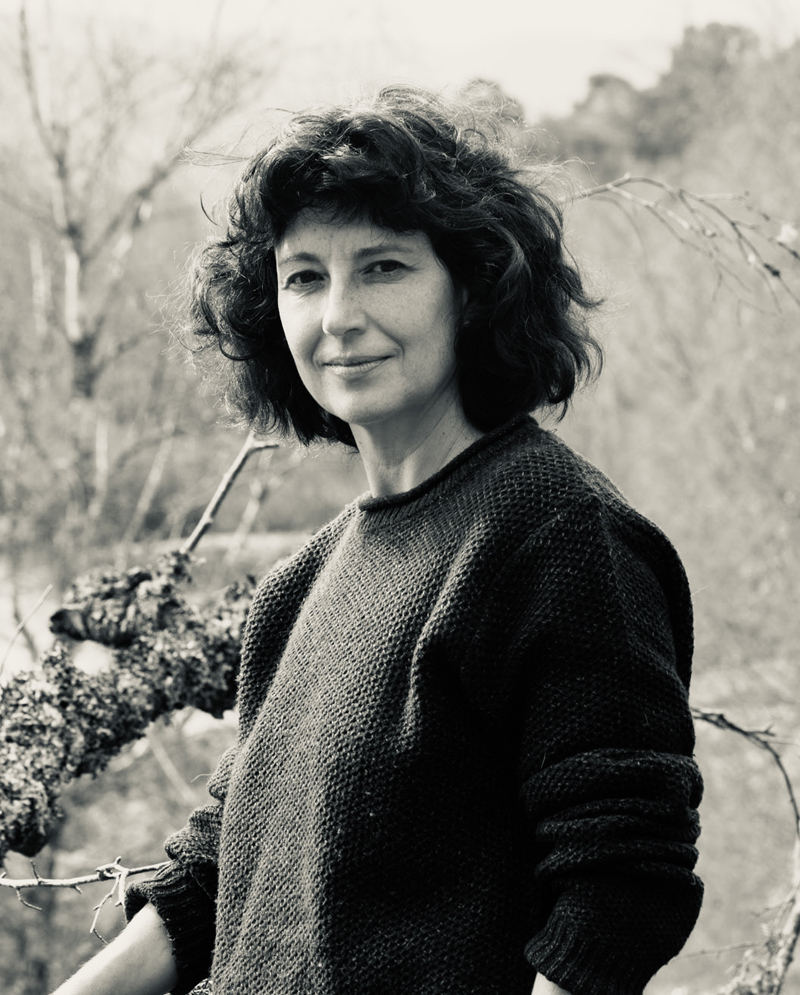
Kapka Kassabova. Author photo by Tony Davidson. Used by permission.

After my recent review of Kapka Kassabova’s latest book, Elixir: The Valley at the End of Time, I am delighted to share an excerpt from Elixir with FAR readers here, by kind permission of the author and the publisher.

Elixir is an astounding book, revealing a little-known world of foragers, healers, and mystics in a remote corner of Bulgaria. Here people live in profound connection to nature, with respect for herbs and the earth and older women, echoing the peaceful Neolithic civilisations which once flourished in the same valley Kassabova describes.

Continue reading “HONEY SELLERS by Kapka Kassabova with Intro by Laura Shannon”

Welcome to the Psychopomp Dreamhouse! by Stacey Simmon, PhD

When I first heard a Barbie movie was going to be released this summer I groaned. Like the awful complements of GI Joe, American Girl, and Trolls, I assumed that the content of this film would be designed to fleece parents out of the cost of tickets and popcorn. I am delighted to report that I was completely mistaken. Not only does Barbie enchant, she also delivers a complex message about idealism and womanhood.

But Barbie’s most important revelation is in her role as a psychopomp between the world of the ideal and the world of the real. Barbie Land is like a patriarchal heaven. Women are ideal, they don’t have flaws. They get shit done without breaking a sweat or wearing comfortable shoes, and the men are the accessories. It is what I imagine all the men who struggle with patriarchy idealize about what it would mean to be a beautiful, flawless woman- all of the power, where men can relax and be accessories for a change.

Continue reading “Welcome to the Psychopomp Dreamhouse! by Stacey Simmon, PhD”

Fear and Need in the Absence of Mother God, part 2 by Caryn MacGrandle

Yesterday’s part 1 post quoted from the book, The Malleus Maleficarum

Witches Well in Edinburgh, Scotland, …the Roman numerals for 1479 on one side and 1722 [years when witch persecution was most prominent]

The book wasn’t just a message for women but for all. The tenets that formed the backbone of colonial culture:

  • Paddle your own canoe. 
  • Success comes with hard individual effort when you stay within the lines that we draw. 
  • And if you fail?  Well, that’s on you. 
  • Maybe you will get another shot if you are lucky, work relentlessly and act as you should.
  • And never ever forget that your worth is defined by the number of 0’s in your bank account.
Continue reading “Fear and Need in the Absence of Mother God, part 2 by Caryn MacGrandle”